Well the sun shone………lots – and the rainfall was sparse.
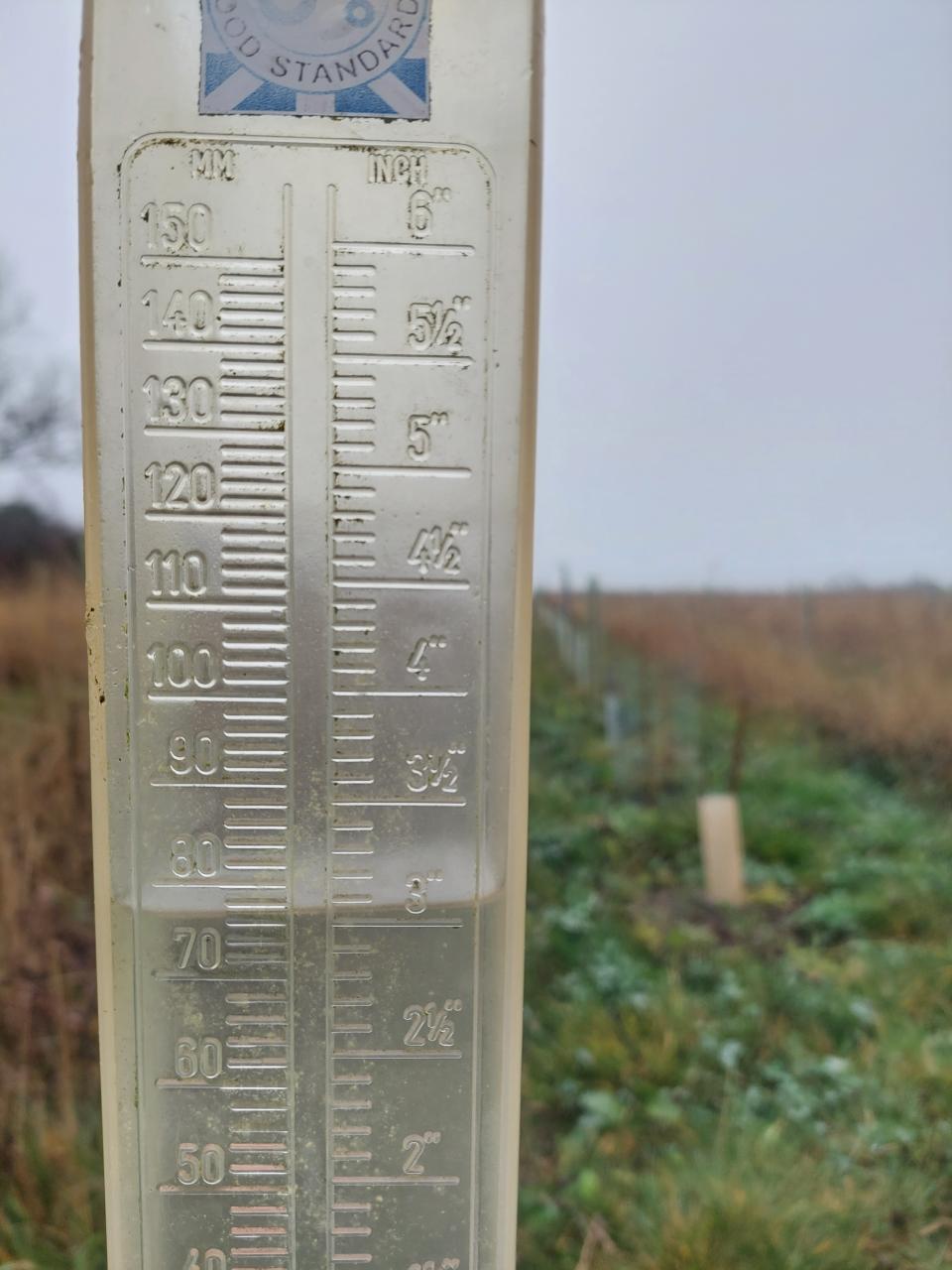
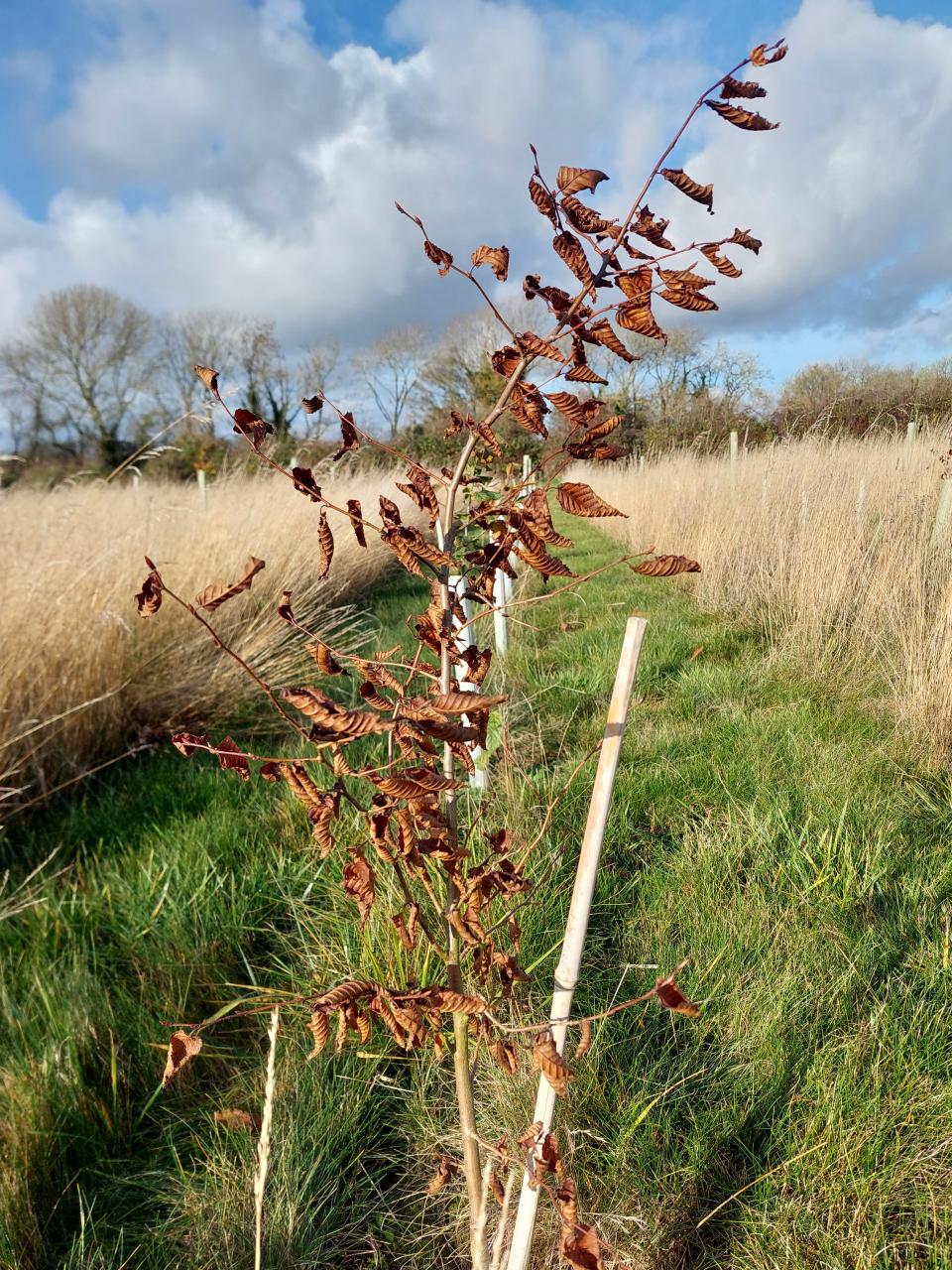
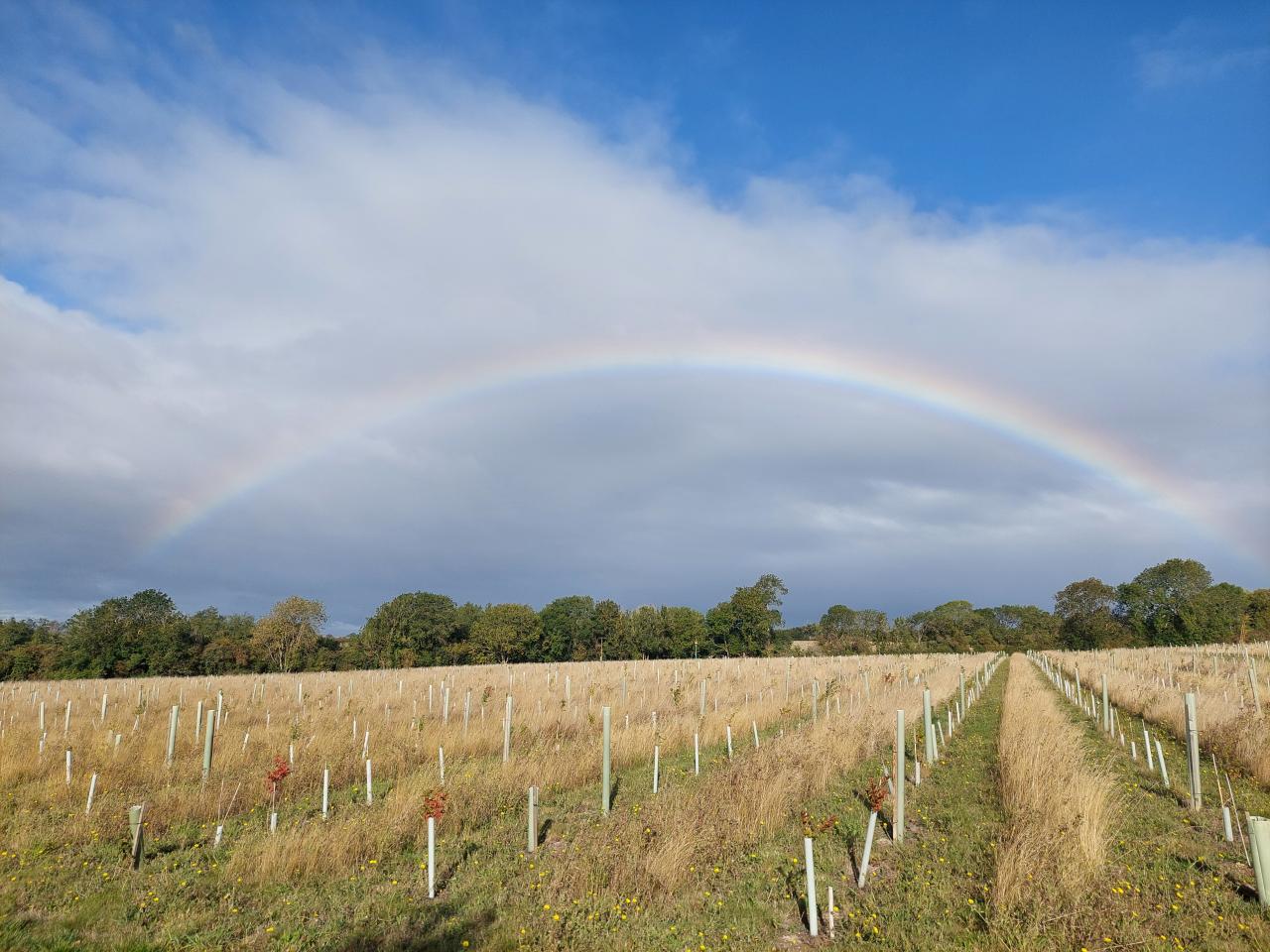
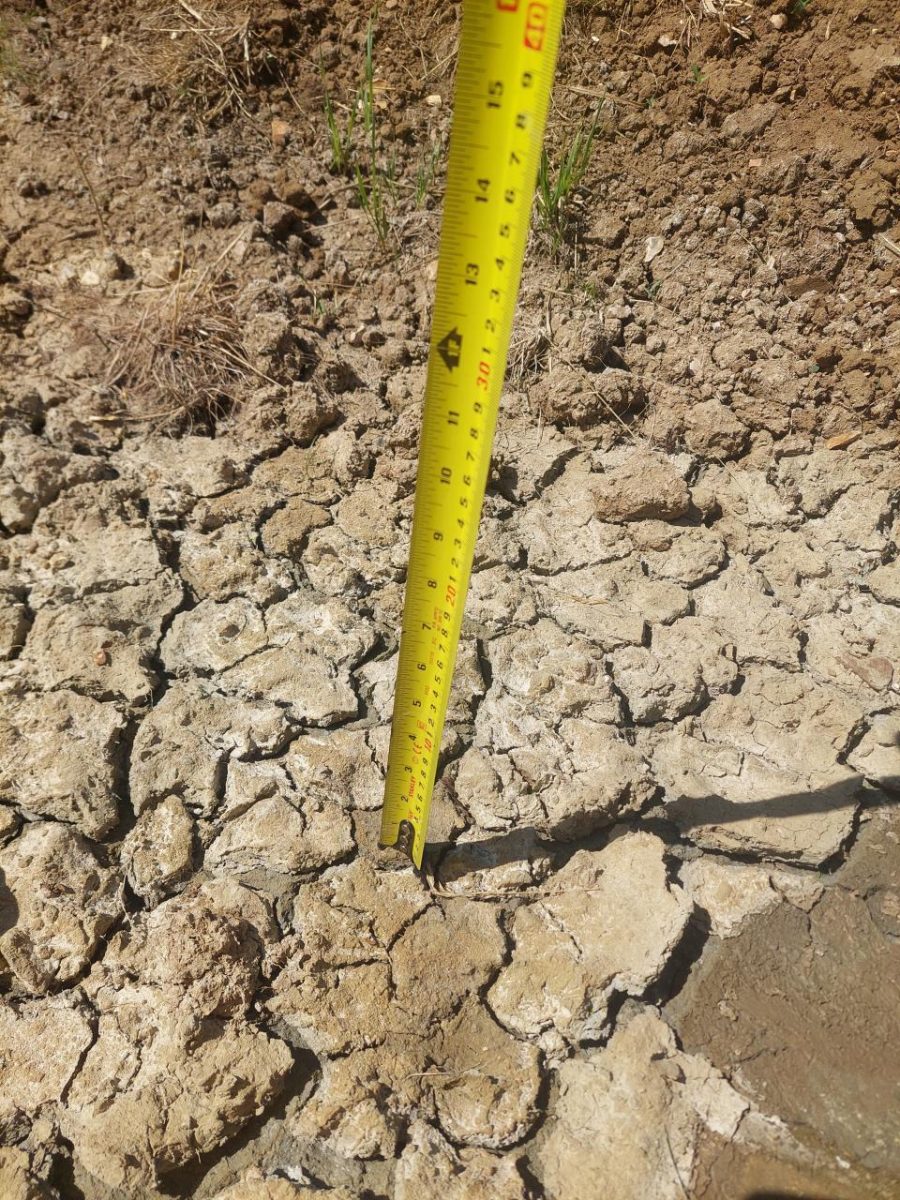
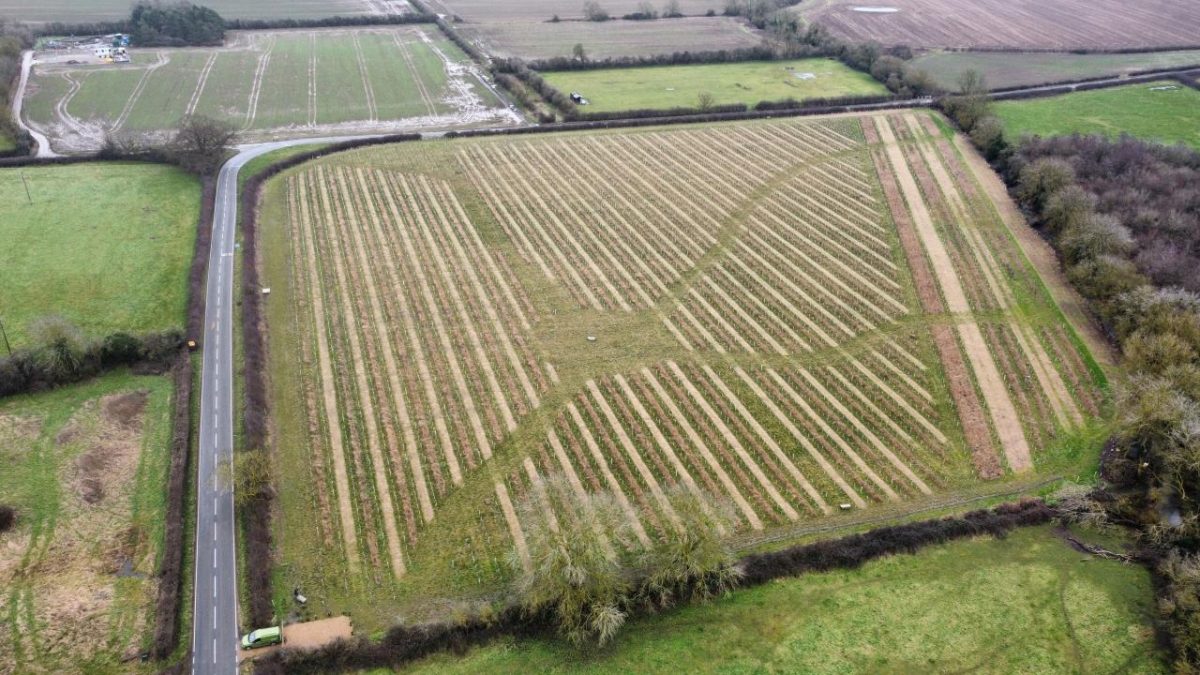
The weather and its impact on the newly planted wood is without doubt the key topic. Analysis of Met Office sunshine hours for our region suggests “a lot ” and “way above average” as two simple measures! With sunshine you get good photosynthesis and that leads to stronger growth but you need moisture in the soil and that’s where things began to look awkward. The year started well with about average rainfall for January and February even a bit of flooding down by the Alconbury brook but nowhere near as bad as the previous year. And then March began sunshine, sunshine, sunshine. Incredible, relentless sunny days, not particularly warm as March can be prone to a stiff easterly. The rainfall outcome totalled just 2mm (average 32mm) This set the trend for the rest of the year with nearly every month apart from June, November and December recording half or less than for the long term average.
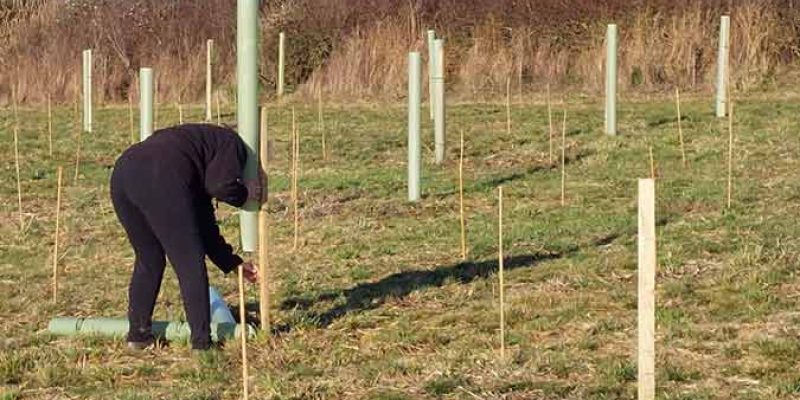
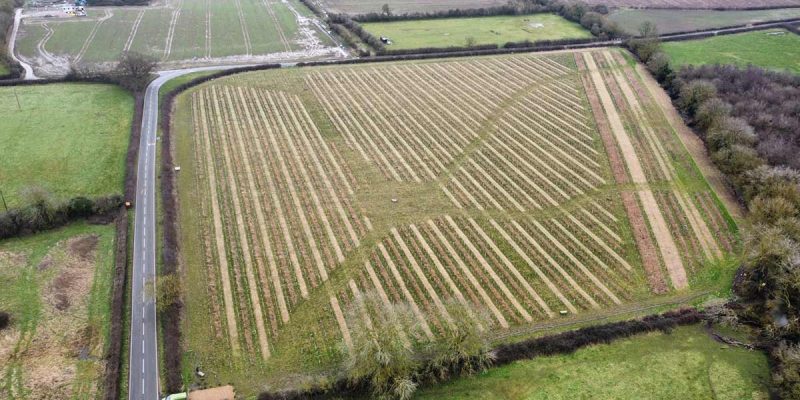
That could have been disastrous for young trees with very little root growth but I think planting a year before got the trees up and running and quite honestly looking down the tree rows in late October just before the onset of leaf fall things looked excellent. Green leaf all the way.
The KW is slowly becoming more than just a field of trees, it’s the whole environmental package that is developing as the trees grow. We have a diligent group of bird watchers who are monitoring the bird life not just in the KW but all around. We have observers noting insect and mammal populations. We’re also getting involved with the Alconbury Brook Flood Group, they kindly through their funding partners paid for the KW pond to be excavated bringing wildlife and environmental benefit along with a small measure of flood mitigation. There is also a much bigger resource to be gained from working with ABFG – soil science and the role of growing trees in flood catchments. Early days but it is of great interest.
The Coffee Ark paid their annual visit in May and another fine day ensued. Coffee Ark has already booked for 2026 and they will be bringing “Daisy the Defender” to the KW on Saturday 16th May from 9.30 am.
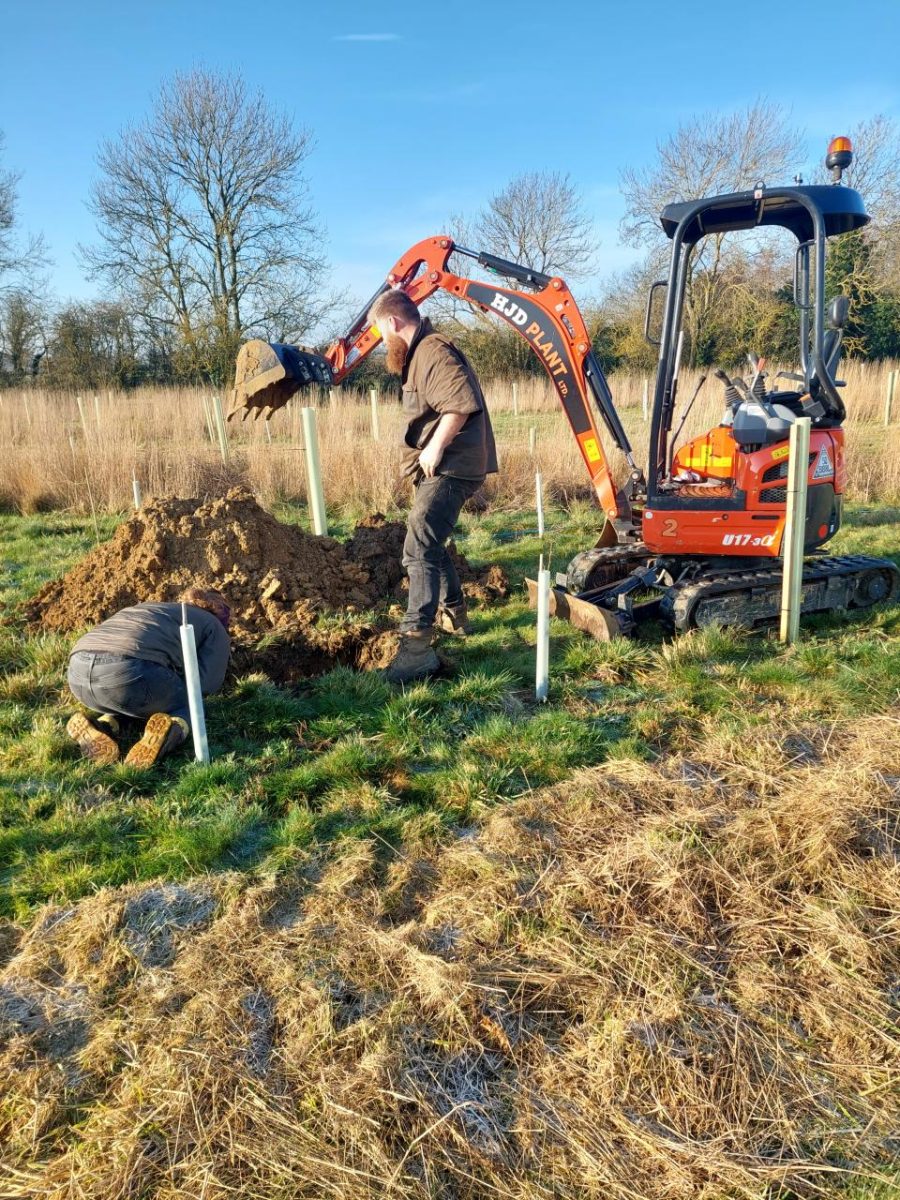
The pond was dug in late May and it was an arduous wait to see if it held water. Helped somewhat by the 76mm from the 14th November rain event helped top it up. Early days and a year or two before we know where the average water level will be.
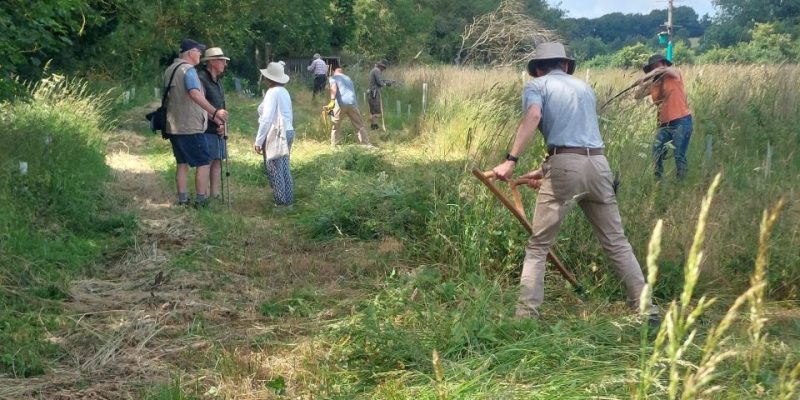
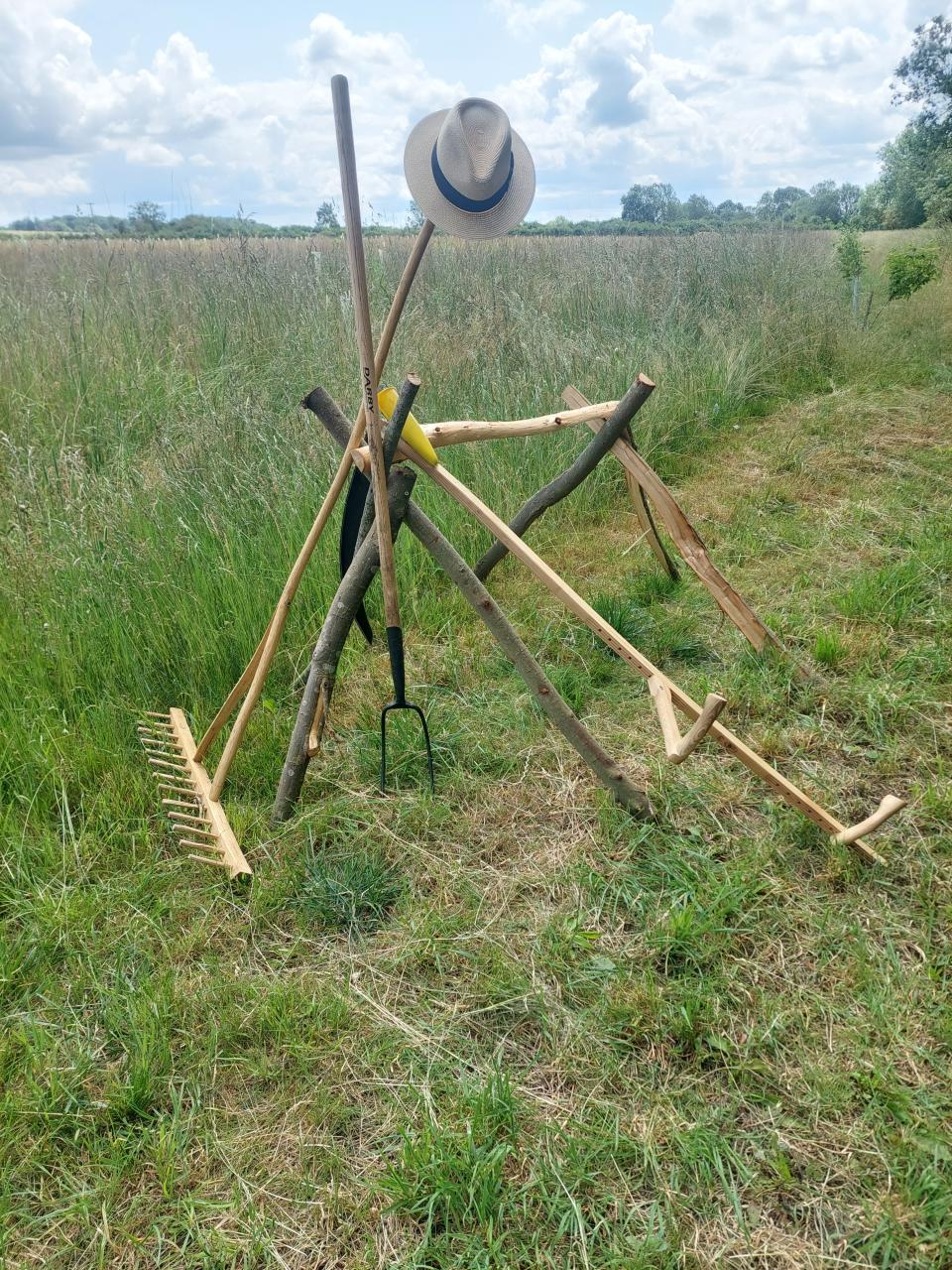
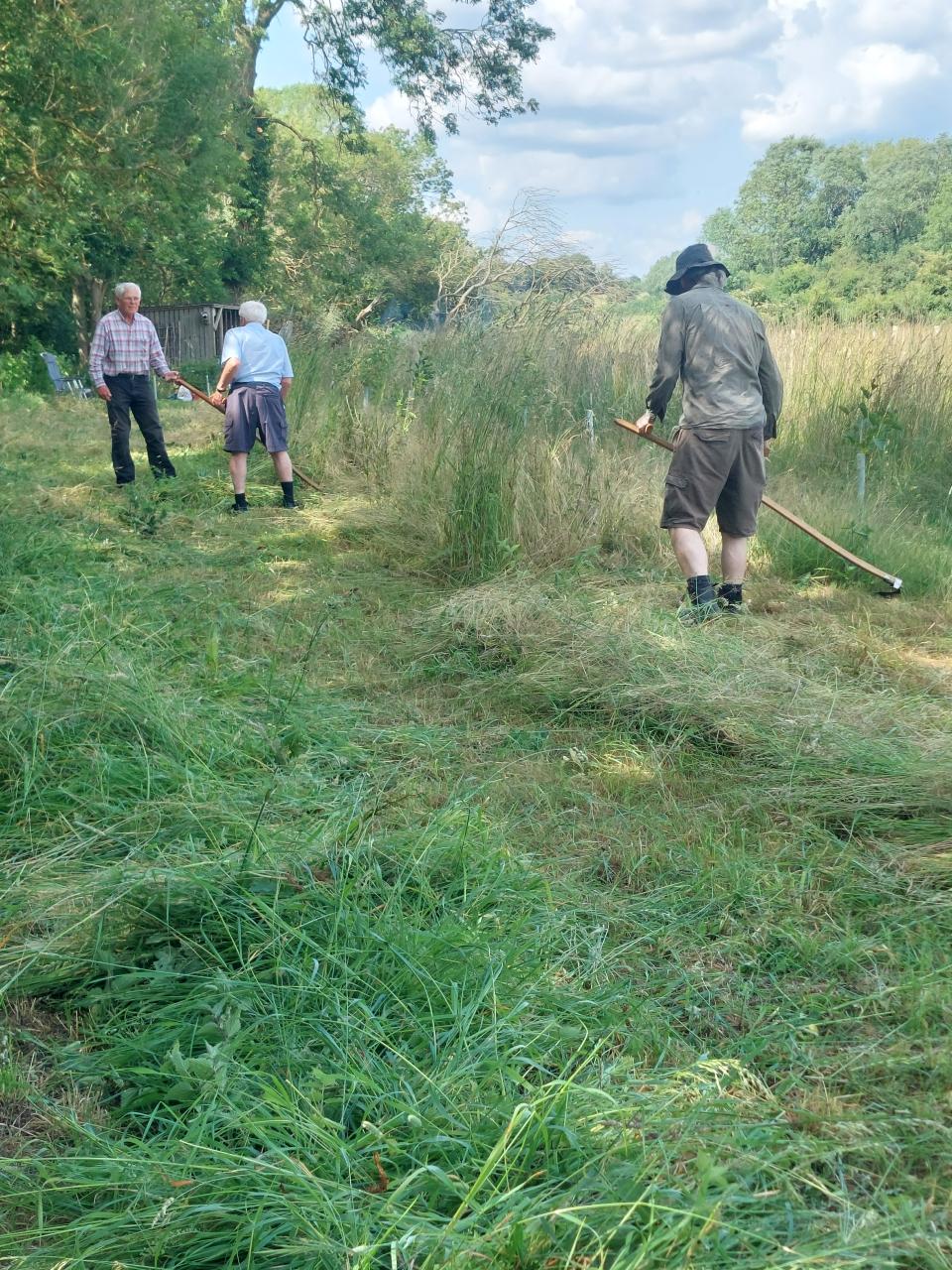
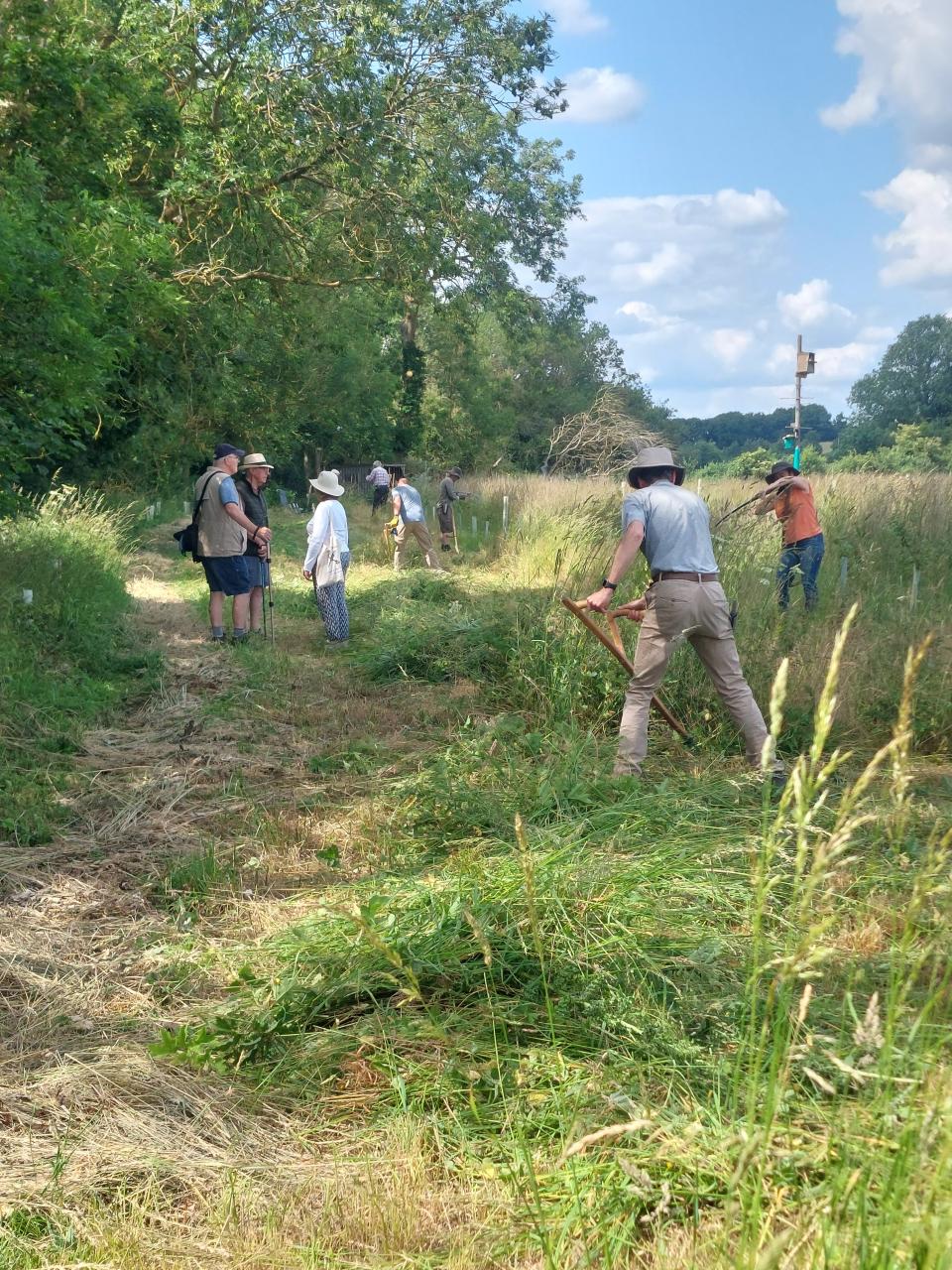
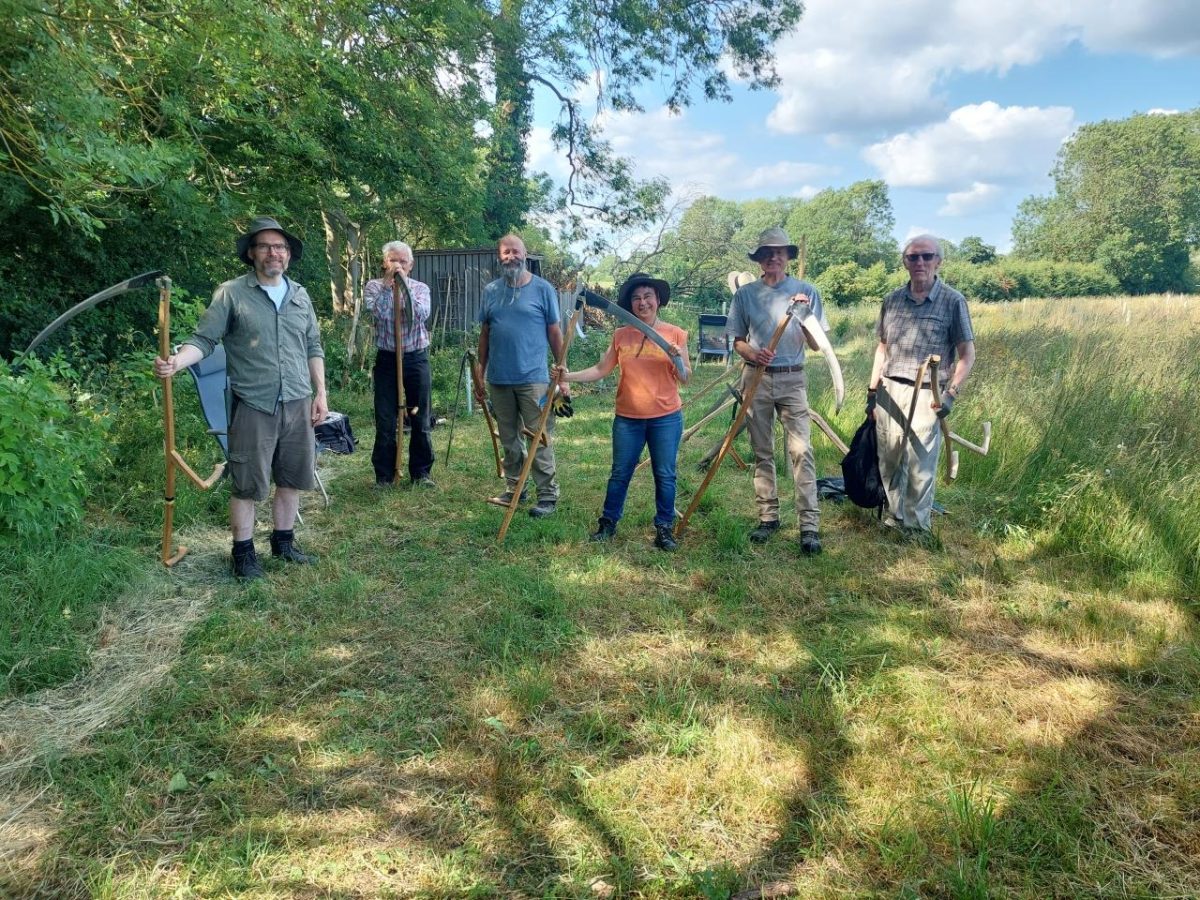
Something that hadn’t crossed my mind in the planning stages of getting the wood up and running was scything, Grass and weed control was going to be machinery led with an element of powered strimming but somehow I acquired a scythe and the next thing I’ve ditched the strimmer and become a great advocate of scything, so much so Cambridgeshire Scything group ended up with two visits to the KW and we are looking to repeat this in 2026 so if you’re remotely interested, pay attention to some future dates. (the flail and rotary mower still have a useful part to play in the ground maintenance of the KW)
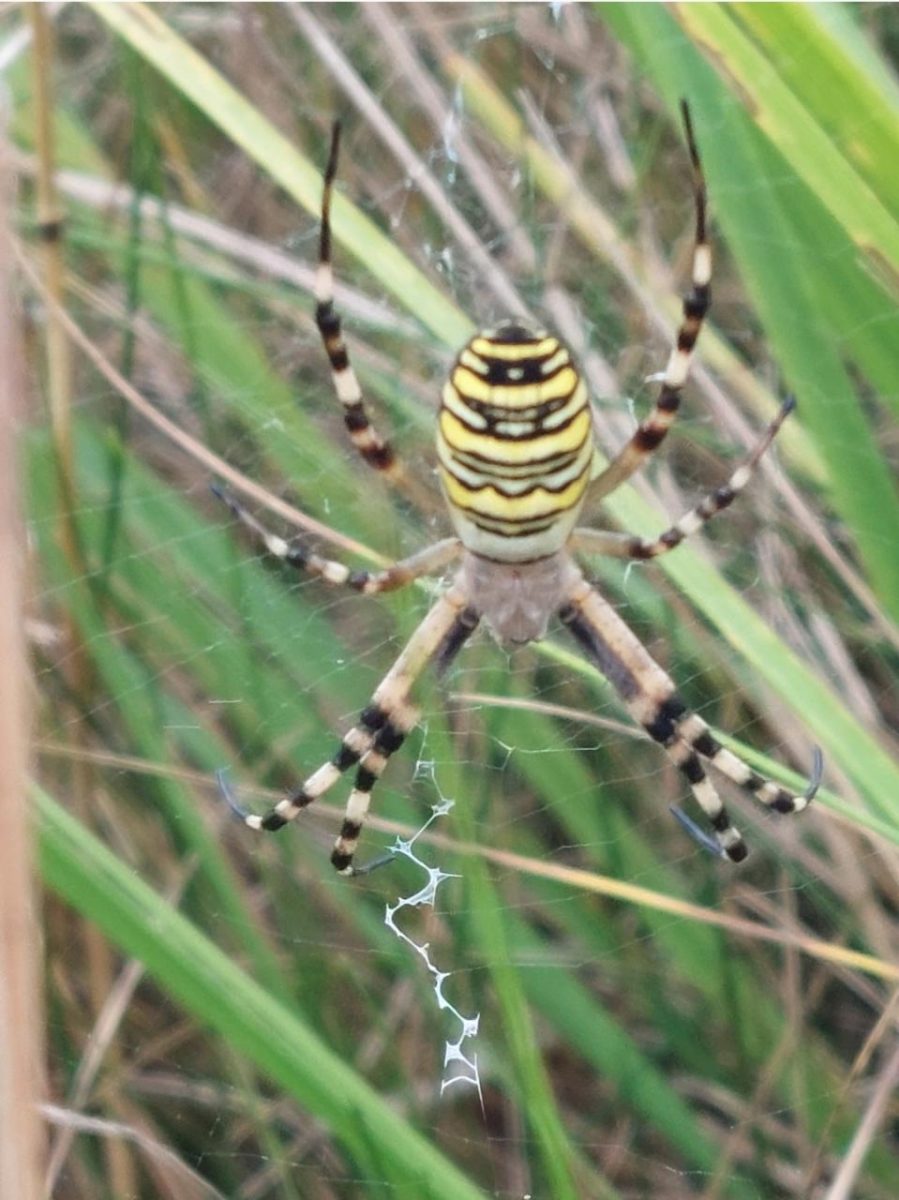
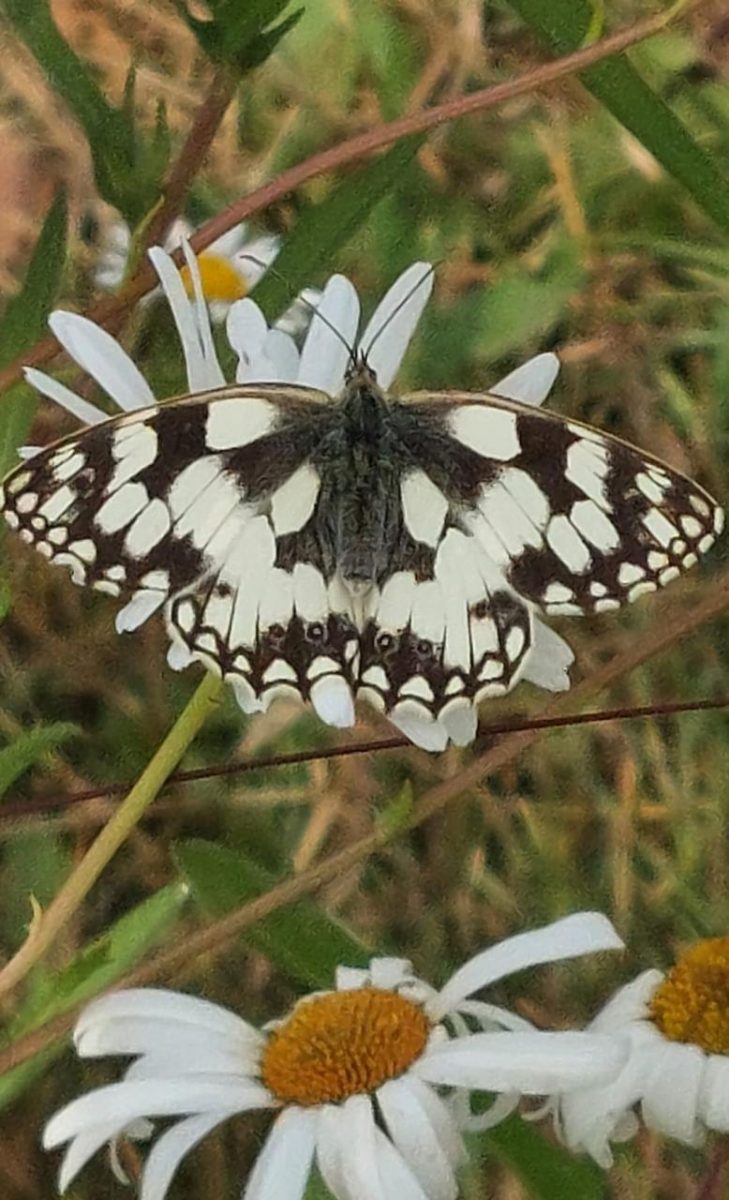
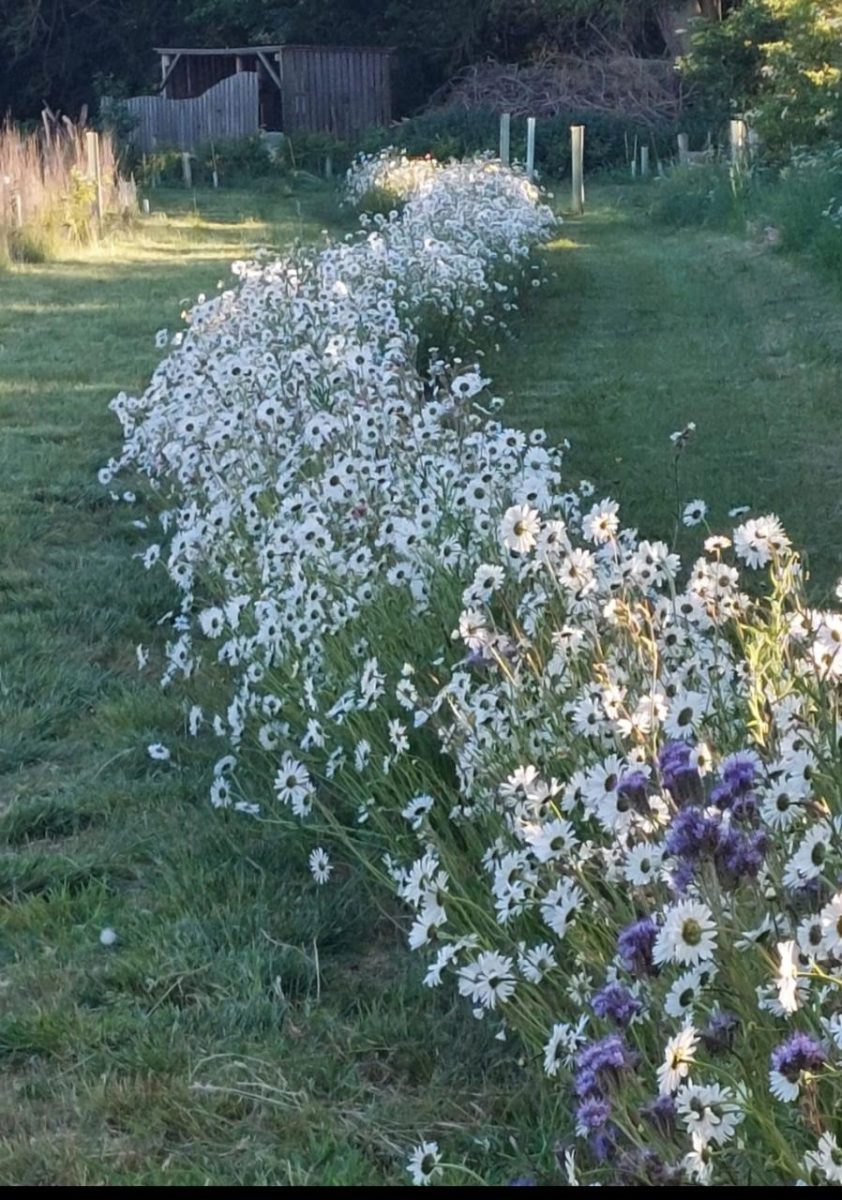
Other worthy mentions, it was a fabulous year for grasshoppers. I have never seen so many along with crickets and other round insects It was also a good recovery year for butterflies, swarms of meadow browns and several species that we should expect to see in our location, were observed. One curiosity was the Wasp spider, a fearsome looking beast to observe but harmless. This species is spreading north and west from the south coast. The wild flower strip, this was sown as a bit of a side project that actually excelled itself this year mostly because the perennial and bi-biennial flowers in the mix came good which then brought in copious insects and butterflies. Win win as they say!
Only one negative really and that was the theft of the gates, 2 x 8′ gates and a 4′ side gate. Sadly I had expected this and my only surprise was that they survived as long as they did. However we move on, I made another side gate and plundered my wood store for some heavy timbers to make a robust fence.
Looking forward to 2026 we will continue the once a month “Walkabouts” last Sunday of the month from 2pm. The Coffee Ark as mentioned earlier will visit in May. There will be one or maybe two scythe events (date TBC). The continued link with ABFG should be of interest and the goodies that brings.
The focus of KW improvements, will be around the pond and the spoil heap. Rather than let it naturalise with more weedy plants that we already have. I will try and plant some lesser seen wild flowers but still appropriate to the soil type and area. Maybe some woad, cloth dyers take note!
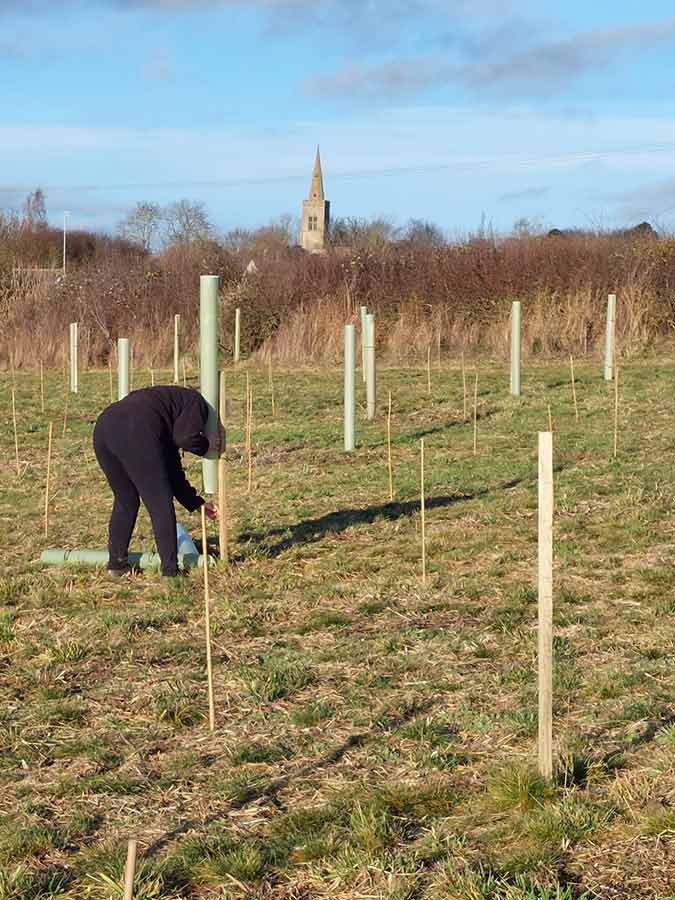
We shall keep planting trees as there’s plenty of room. Look out for the plant labels and guess the theme
I hope you all have an interesting 2026 and find time to take a walk around the King’s Wood, it’s growing fast!