“Pop up” Jubilee Wood Knowledge Share

"Pop up" Jubilee Wood Knowledge Share

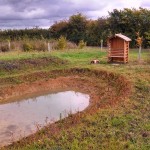
Next event – Pond life in, on and above & habitat construction

Sunday 12th May 2.30pm.

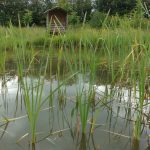
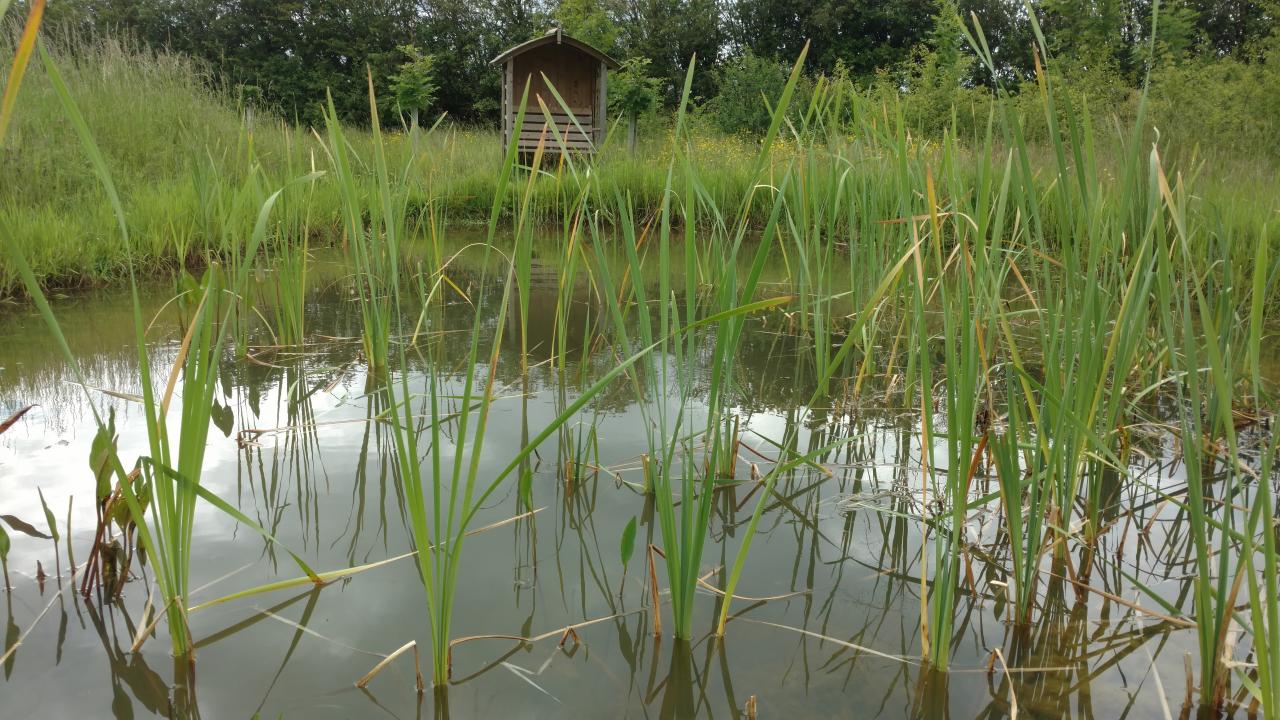
The May event focuses on the pond environment (although if it doent rain hard soon we may just be looking at a deep muddy puddle) Always facinating to see an active pond and we will try to have some jars showing the micro life that inhabits the lower reaches. All welcome, dogs on leads please or we wont be able to see into the pond.

Bring a flask or bottle of cold drink, you never know it may be warm

Look out for some monthly themed topics that will take place in the Jubilee wood this spring and summer.

On the second Sunday of each month starting at 2.30pm there will be a chance to learn about a particular topic using the Jubilee wood as the source of inspiration. The knowledge will come from amongst those who come along.

So far the list of themes is as follows

March 10th – Close up photography How to use your camera phone to get pin sharp close ups or using a big digital SLR to get right in with macro shots using elements of the Jubilee wood for inspiration and subject matter.

April 14th – Tree identification in the Jubilee Wood

May 12th – Pond life, in on and above, plus Habitat Construction

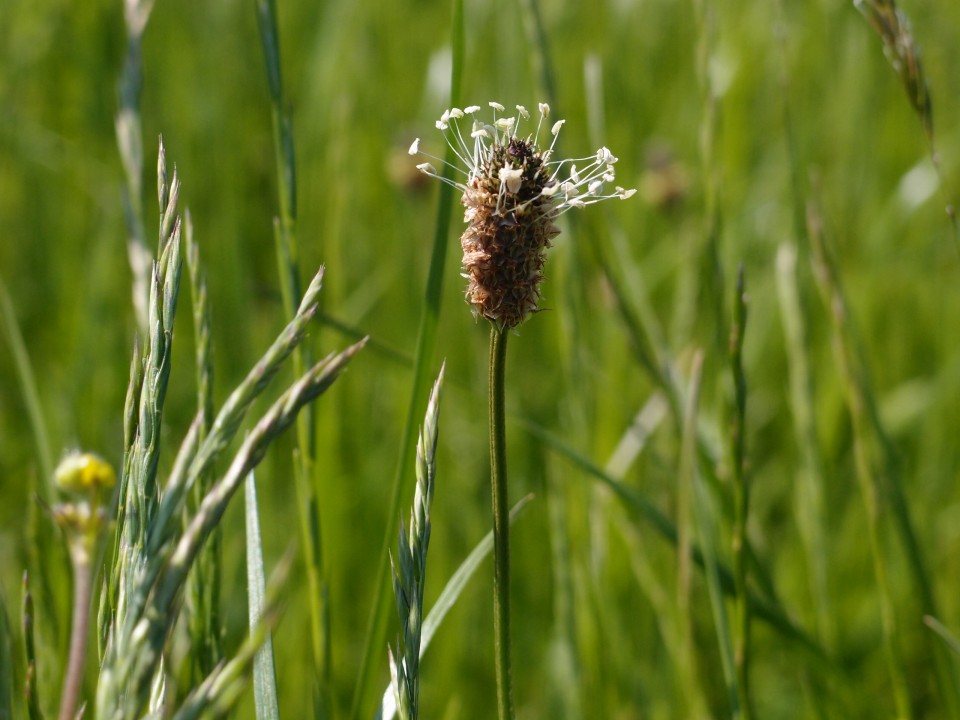
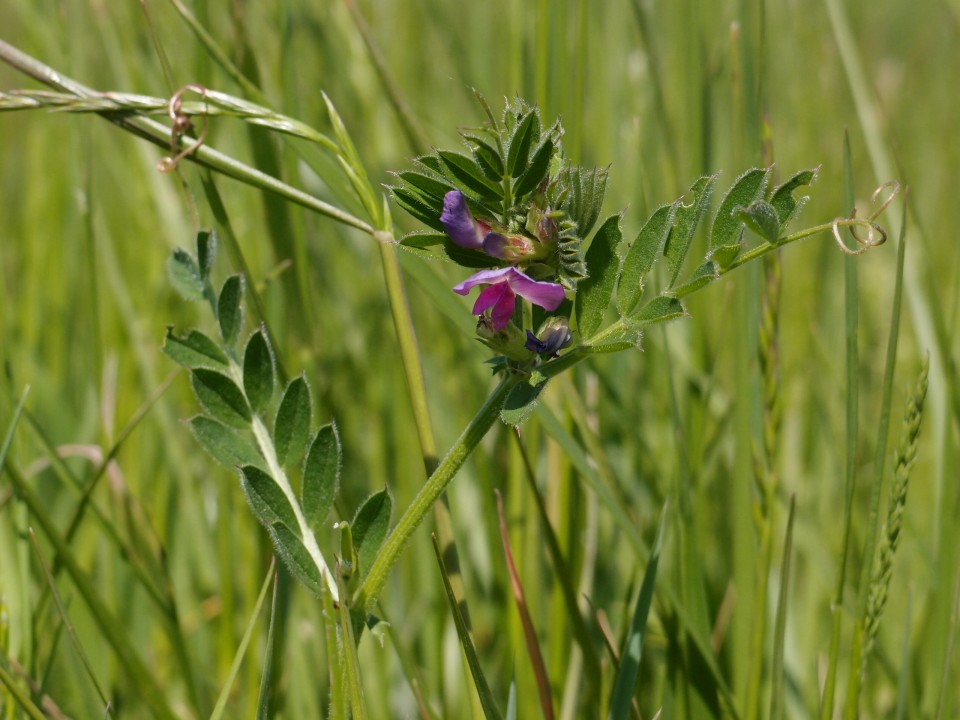
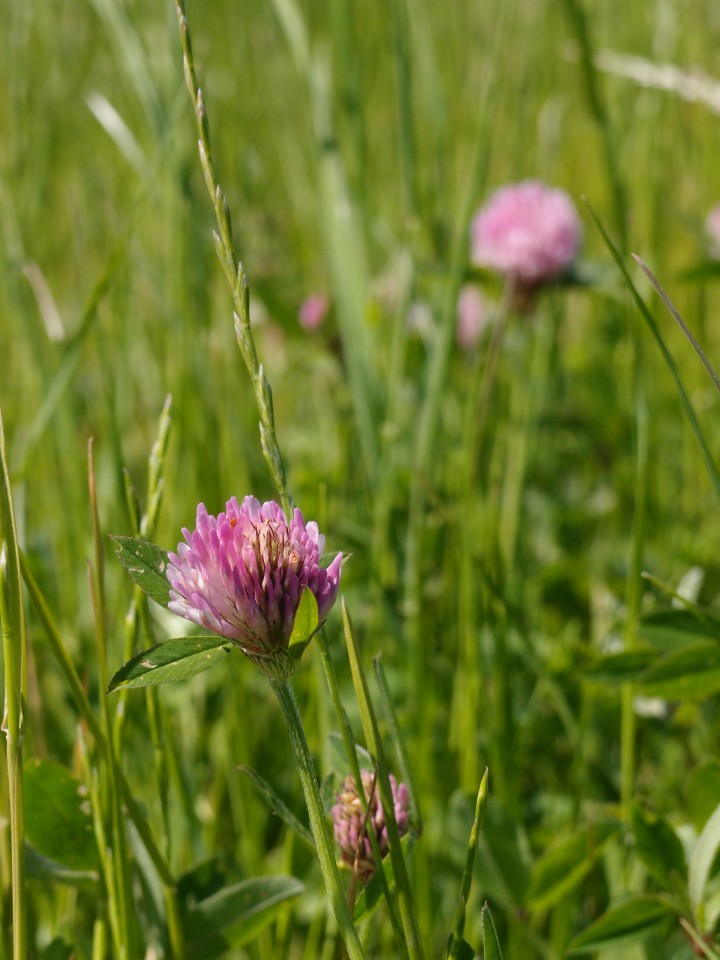
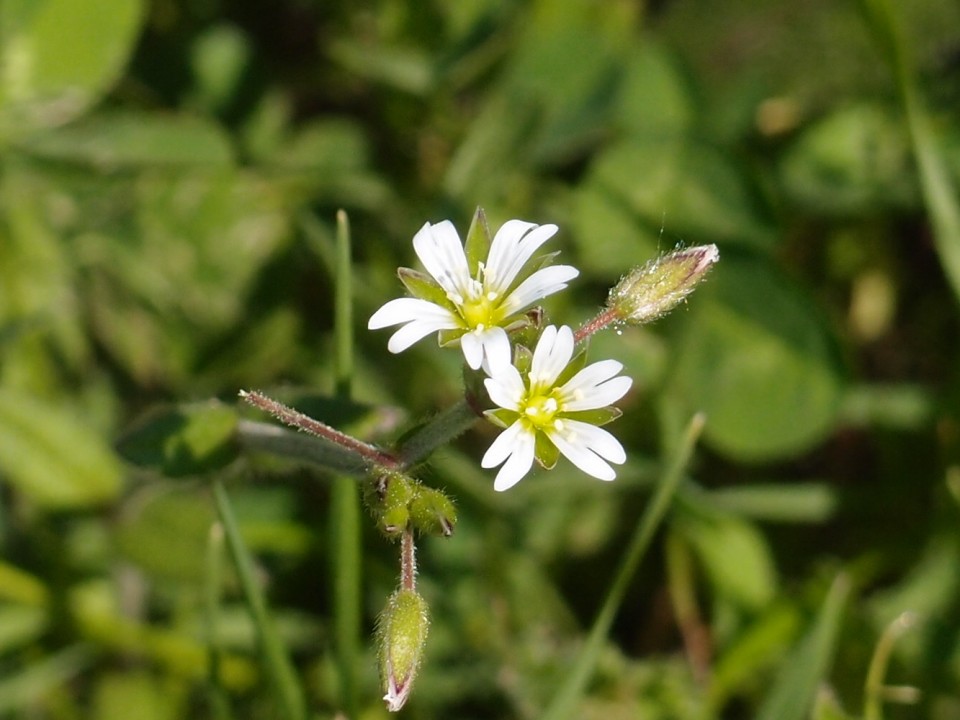
June 9th – Grass and plant identification

July 14th – Nature & Well Being

August 11th – Crafts – Leaf and bark rubbing, drawing and natural sculptures

It is hoped that those who have an in-depth knowledge of the subjects will be happy to attend and share with the attendee’s. All ages welcome.

If you have reference books they’d be useful or apps for the well connected.

We will have a “pop-up” meeting point within the wood

Spring Dragonflies & Damselflies at Jubilee Wood in 2018

Spring Dragonflies & Damselflies at Jubilee Wood in 2018

During a couple of visits to the Jubilee Wood pond in May 2018, five Odonata species were seen.

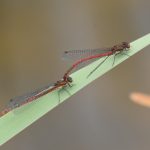
The first species normally to appear in the year is the Large Red Damselfly. The immature insects venture further afield but when they are mature they visit the pond to pair up and lay their eggs.

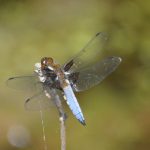
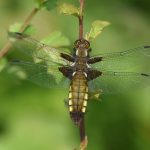
Another early species is the beautiful Broad-bodied Chaser.  May is a good time to see them on sunny days as the blue males aggressively patrol their territories around the pond .The brown and yellow females are no less spectacular but spend a lot of time feeding away from the pond only appearing  to mate and egg-lay. This species favour small ponds and do not seem to be in large numbers.

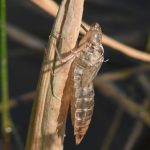
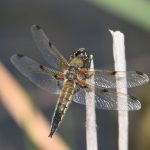
The Four-spotted Chaser however, can appear in large numbers and was very common at this pond in May. The males and females look the same as each other with four distinctive dark wing spots.  On vegetation around the pond exuvia could be found – this is the empty skin that is left behind when the adult dragonfly emerges after the larvae has climbed up a stem from the pond.

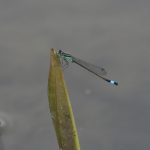
The other 2 species seen were the Azure Damselfly and the Blue-tailed Damselfly, both were very common here.

As the Spring turns into the Summer there could be up to 17 species seen around this pond and woodland so plenty to look forward to in 2019.

Andrew Frost


Year End Moth Report

Year End Moth Report

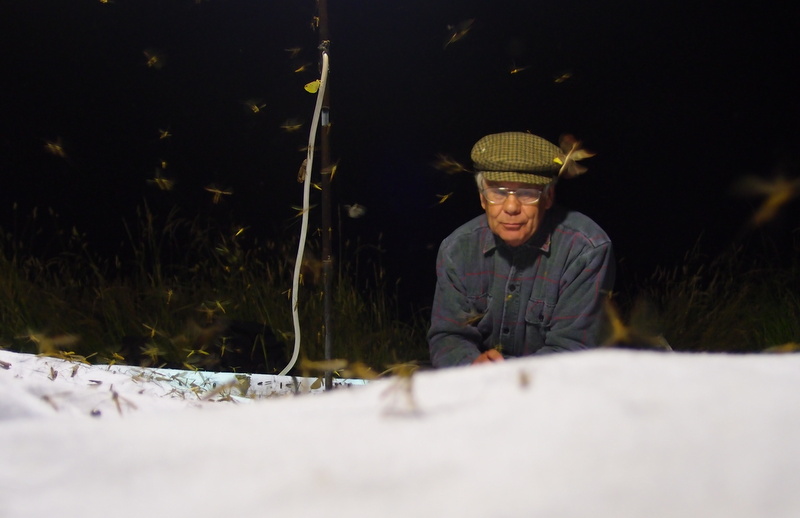
Over the past year Andrew Frost and Barry Dickerson have carried out several moth trapping evenings to record and evaluate the level of moth and butterfly activity in the Jubilee Wood. Andrew has compiled this report on the 2018 findings and the totals thus far since they started recording in 2013.

Please do use the links suggested below to view the wonderful and varied species of Lepidoptera


Moth Trapping at Jubilee Wood Great Gidding 2013 to 2018

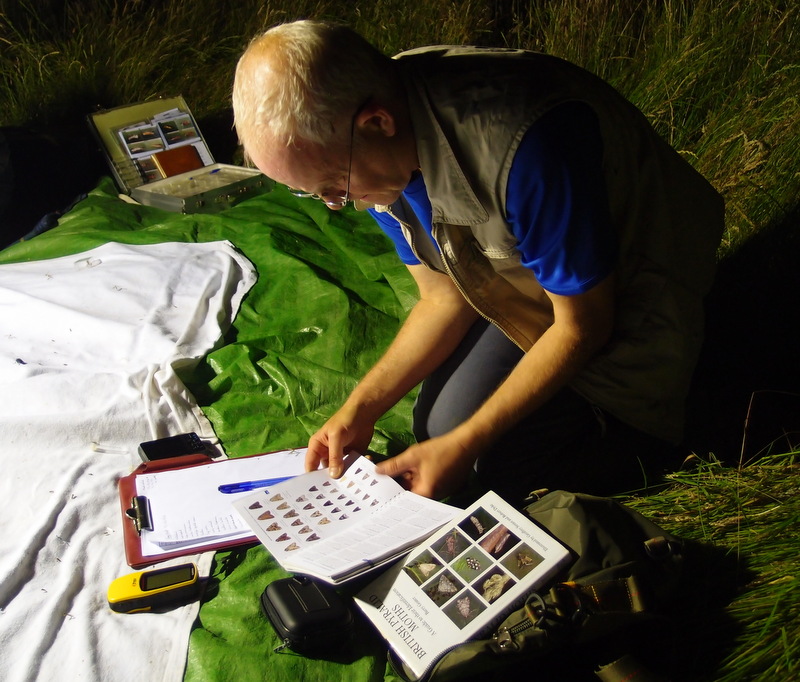
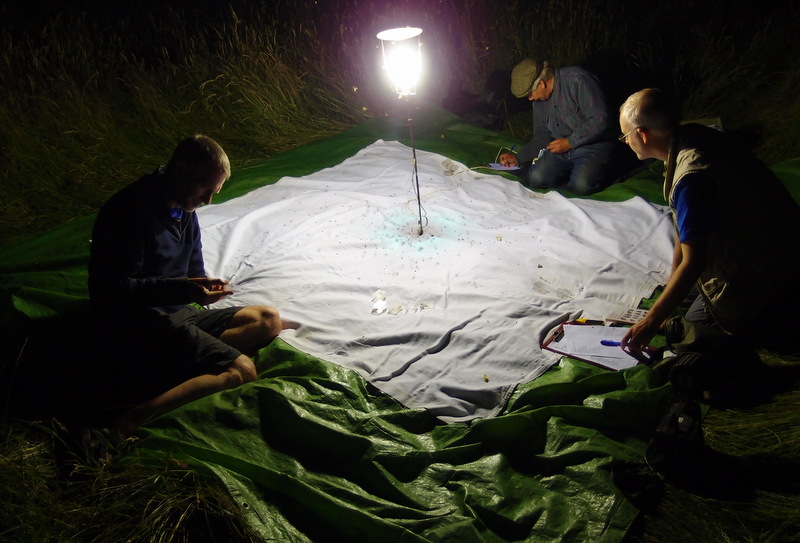
Back in 2013 during a conversation with Michael Trolove, he asked me whether I would do some moth trapping at the Jubilee Wood. This involves using light to attract and record the moth species,   most of the moths are then released unharmed with only a few being kept for more detailed identification later. Not only was I happy to do this to see what species were in the wood but the Huntingdonshire Moth & Butterfly County recorder Barry Dickerson was also interested, as this was an area of the County that was under recorded.  In the UK there are around 2500 moth species, of which around 900 are the macro species (the larger ones) and 1400 micro species (the smaller ones). Many of the micro species are difficult to identify but luckily Barry is an expert in this area.

So in July 2013 we trapped for the first time, then twice more that year. For various reasons we did not trap again until 2017 when we trapped on three evenings between August and October.

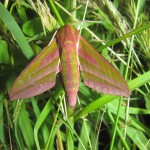
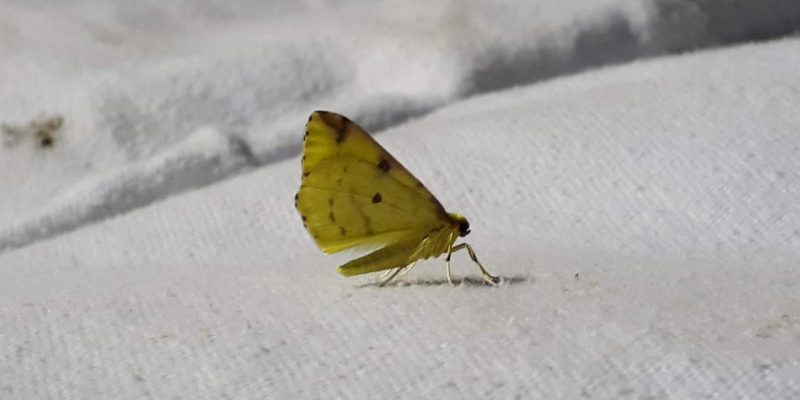
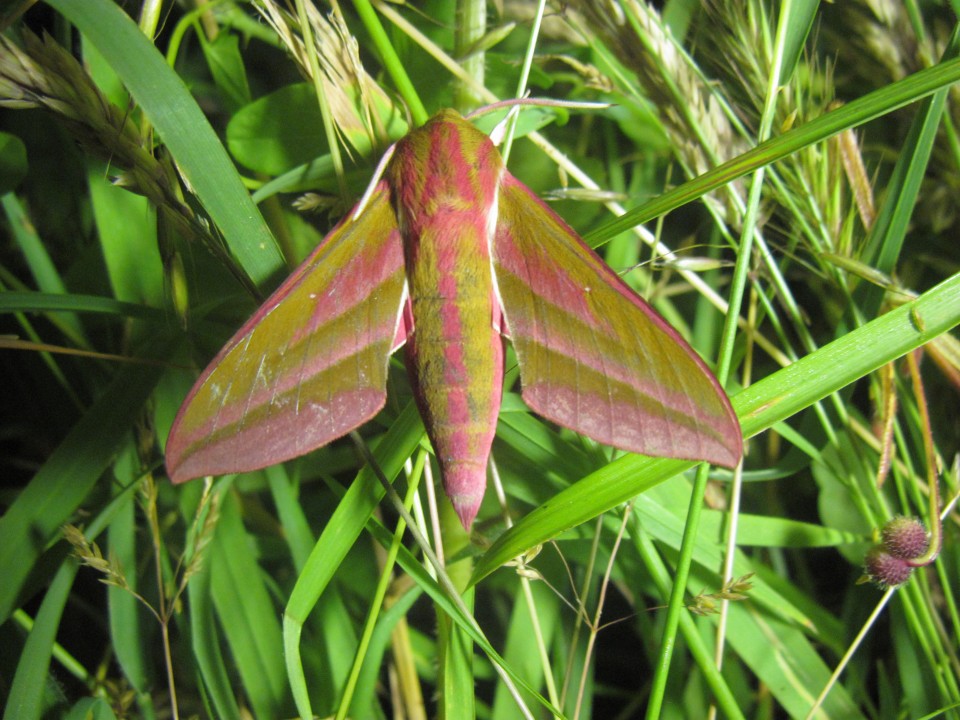
Barry and I decided that in 2018 we would try to trap on more occasions and from earlier in the year to record the species that have flight periods during the spring and early summer. We trapped on 6 occasions from the 6th April to 2nd September and recorded many new species for the site like the Streamer, Ear Moth, Waved Umber, Privet Hawk Moth and Poplar Hawk Moth.

Not all moth species are attracted to light so other methods are required to record them.  Some are day-flyers like the Six-spot Burnet and Narrow –bordered Five-spot Burnet, so these were recorded during daytime visits. There is a group of very small micro species called Leaf Miners who lay their eggs on leaves. When the maggot-like caterpillars hatch they live and feed within the tissue of leaves causing distinctive damage (mines) on the leaf and from studying these mines, different species can be determined. Barry has recorded 26 species using this method.  We have not trapped during the winter yet but we have recorded the Winter Moth from a caterpillar found in May.

We have seen 13 species of butterfly during this period but local people who visit the wood on a regular basis would have seen several  more species than we have.

In 2018 we added 105 moth species to the Jubilee Wood list. The total number of Lepidoptera species recorded now is 326, (313 moths and 13 butterflies).

Hopefully in 2019 we can add even more species to the list.

Here are some interesting websites:

http://www.hmbg.org

http://www.leafmines.co.uk

http://www.ukmoths.org.uk

Andrew Frost

Species List for Jubilee Wood, Great Gidding to end 2018
Code Taxon Vernacular First Recorded Last Recorded
6 Eriocrania subpurpurella 2018 2018
14 Hepialus humuli Ghost Moth 2013 2013
15 Hepialus sylvina Orange Swift 2017 2018
17 Hepialus lupulinus Common Swift 2018 2018
34 Ectoedemia occultella 2013 2013
37 Ectoedemia albifasciella 2013 2013
38 Ectoedemia subbimaculella 2018 2018
39 Ectoedemia heringi 2018 2018
50 Stigmella aurella 2013 2013
53 Stigmella splendidissimella 2013 2013
63 Stigmella lemniscella 2013 2013
67 Stigmella plagicolella 2013 2013
70 Stigmella obliquella 2013 2013
78 Stigmella incognitella 2013 2013
83 Stigmella atricapitella 2018 2018
86 Stigmella roborella 2018 2018
89 Stigmella basiguttella 2018 2018
97 Stigmella malella Apple Pygmy 2013 2013
100 Stigmella oxyacanthella 2013 2013
111 Stigmella microtheriella 2018 2018
112 Stigmella luteella 2013 2013
116 Stigmella lapponica 2013 2013
125 Emmetia marginea 2017 2017
161 Zeuzera pyrina Leopard Moth 2013 2018
169 Zygaena filipendulae Six-spot Burnet 2013 2013
171 Zygaena lonicerae Narrow-bordered Five-spot Burnet 2013 2013
228 Monopis weaverella 2018 2018
229 Monopis obviella 2017 2017
247 Tinea trinotella 2018 2018
260 Leucoptera malifoliella Pear Leaf Blister Moth 2013 2013
263 Lyonetia clerkella Apple Leaf Miner 2013 2018
274 Bucculatrix ulmella 2018 2018
287 Caloptilia robustella 2017 2017
303 Parornix anglicella 2013 2018
304 Parornix devoniella 2013 2013
305 Parornix scoticella 2013 2013
308 Parornix finitimella 2013 2013
309 Deltaornix torquillella 2018 2018
315 Phyllonorycter harrisella 2018 2018
320 Phyllonorycter quercifoliella 2013 2013
321 Phyllonorycter messaniella 2013 2013
323 Phyllonorycter oxyacanthae 2013 2018
326 Phyllonorycter blancardella 2013 2013
330 Phyllonorycter cerasicolella 2018 2018
332 Phyllonorycter corylifoliella 2013 2013
352 Phyllonorycter schreberella 2013 2013
356 Phyllonorycter tristrigella 2013 2013
385 Anthophila fabriciana 2013 2013
424 Yponomeuta evonymella Bird-cherry Ermine 2018 2018
425 Yponomeuta padella Orchard Ermine 2018 2018
426 Yponomeuta malinellus Apple Ermine 2018 2018
436 Pseudoswammerdamia combinella 2018 2018
440 Paraswammerdamia albicapitella 2018 2018
441 Paraswammerdamia nebulella 2018 2018
455 Ypsolopha scabrella 2017 2017
464 Plutella xylostella Diamond-back Moth 2013 2013
517 Coleophora alcyonipennella 2017 2018
518 Coleophora mayrella 2013 2018
533 Coleophora anatipennella Pistol Case-bearer 2013 2013
632 Cosmiotes consortella 2018 2018
647 Hofmannophila pseudospretella Brown House Moth 2017 2017
648 Endrosis sarcitrella White-shouldered House Moth 2017 2017
667 Semioscopis steinkellneriana 2018 2018
672 Depressaria heraclei Parsnip Moth 2018 2018
688 Agonopterix heracliana 2018 2018
695 Agonopterix alstromeriana 2018 2018
730 Apodia bifractella 2018 2018
780 Bryotropha similis 2018 2018
787 Bryotropha terrella 2018 2018
843 Aproaerema anthyllidella 2018 2018
868 Helcystogramma rufescens 2018 2018
873 Blastobasis adustella 2018 2018
886 Mompha ochraceella 2013 2013
937 Agapeta hamana 2013 2017
939 Aethes tesserana 2013 2013
947 Aethes smeathmanniana 2018 2018
951 Aethes beatricella 2013 2013
965 Cochylis hybridella 2013 2018
966 Cochylis atricapitana 2018 2018
970 Pandemis cerasana Barred Fruit-tree Tortrix 2013 2018
972 Pandemis heparana Dark Fruit-tree Tortrix 2013 2018
977 Archips podana Large Fruit-tree Tortrix 2013 2018
979 Archips crataegana 2018 2018
980 Archips xylosteana Variegated Golden Tortrix 2013 2013
983 Choristoneura hebenstreitella 2013 2013
989 Aphelia paleana Timothy Tortrix 2013 2013
993 Clepsis spectrana Cyclamen Tortrix 2013 2013
994 Clepsis consimilana 2017 2017
998 Epiphyas postvittana Light Brown Apple Moth 2017 2018
1011 Pseudargyrotoza conwagana 2013 2013
1020 Cnephasia stephensiana Grey Tortrix 2013 2018
1021 Cnephasia asseclana Flax Tortrix 2018 2018
1023 Cnephasia genitalana 2018 2018
1027 Neosphaleroptera nubilana 2013 2013
1032 Aleimma loeflingiana 2013 2018
1033 Tortrix viridana Green Oak Tortrix 2013 2018
1048 Acleris variegana Garden Rose Tortrix 2017 2017
1061 Acleris literana 2018 2018
1063 Celypha striana 2013 2013
1076 Celypha lacunana 2013 2018
1082 Hedya pruniana Plum Tortrix 2013 2018
1083 Hedya nubiferana Marbled Orchard Tortrix 2013 2018
1086 Hedya salicella 2018 2018
1135 Epinotia demarniana 2018 2018
1150 Epinotia abbreviana 2013 2013
1159 Rhopobota naevana Holly Tortrix 2018 2018
1174 Epiblema cynosbatella 2018 2018
1175 Epiblema uddmanniana Bramble Shoot Moth 2013 2013
1176 Epiblema trimaculana 2013 2018
1197 Eucosma campoliliana 2018 2018
1201 Eucosma cana 2013 2018
1202 Eucosma obumbratana 2018 2018
1205 Spilonota ocellana Bud Moth 2013 2018
1245 Grapholita janthinana 2013 2013
1261 Cydia pomonella Codling Moth 2013 2013
1293 Chrysoteuchia culmella Garden Grass-veneer 2013 2018
1301 Crambus lathoniellus 2013 2018
1302 Crambus perlella 2013 2013
1304 Agriphila straminella 2017 2018
1305 Agriphila tristella 2017 2018
1313 Catoptria pinella 2013 2013
1316 Catoptria falsella 2013 2018
1331 Acentria ephemerella Water Veneer 2013 2018
1334 Scoparia ambigualis 2013 2018
1336 Eudonia pallida 2013 2018
1338 Dipleurina lacustrata 2018 2018
1342 Eudonia angustea 2017 2017
1345 Elophila nymphaeata Brown China-mark 2013 2018
1348 Parapoynx stratiotata Ringed China-mark 2013 2013
1362 Pyrausta purpuralis 2013 2013
1376 Eurrhypara hortulata Small Magpie 2013 2018
1385 Ebulea crocealis 2018 2018
1392 Udea olivalis 2013 2018
1405 Pleuroptya ruralis Mother of Pearl 2018 2018
1413 Hypsopygia costalis Gold Triangle 2017 2017
1415 Orthopygia glaucinalis 2013 2013
1424 Endotricha flammealis 2018 2018
1428 Aphomia sociella Bee Moth 2013 2018
1433 Cryptoblabes bistriga 2018 2018
1439 Trachycera advenella 2017 2017
1458 Myelois circumvoluta Thistle Ermine 2013 2013
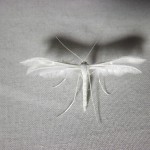
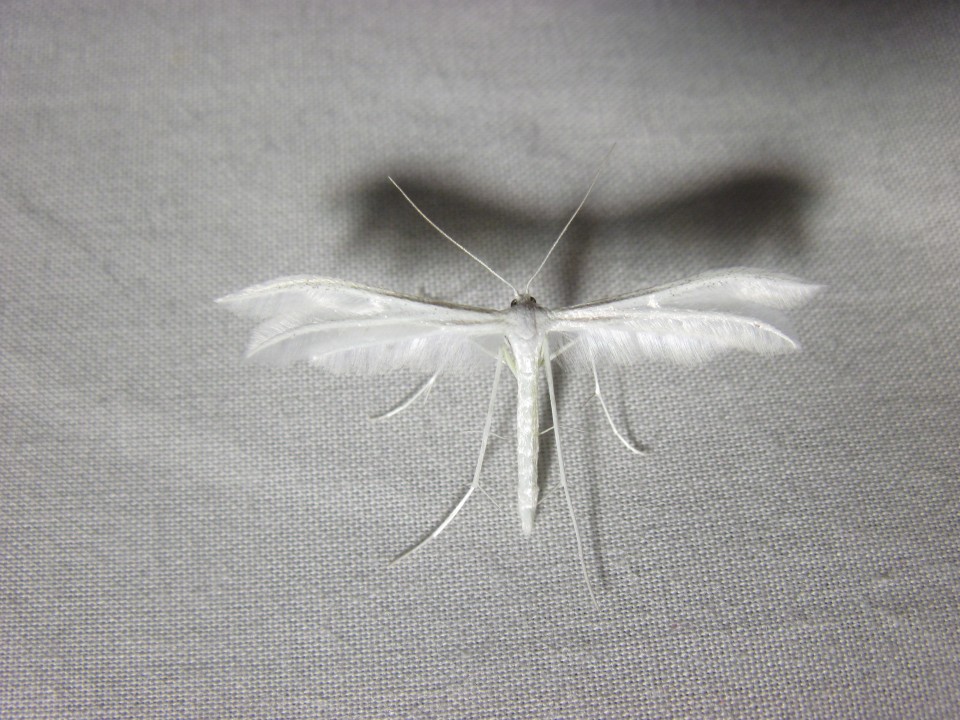
1513 Pterophorus pentadactyla White Plume Moth 2013 2018
1524 Emmelina monodactyla 2017 2018
1526 Thymelicus sylvestris Small Skipper 2013 2013
1527 Thymelicus lineola Essex Skipper 2013 2013
1549 Pieris brassicae Large White 2013 2014
1550 Pieris rapae Small White 2013 2014
1551 Pieris napi Green-veined White 2013 2017
1561 Lycaena phlaeas Small Copper 2013 2013
1574 Polyommatus icarus Common Blue 2013 2017
1593 Aglais urticae Small Tortoiseshell 2013 2014
1597 Inachis io Peacock 2013 2013
1598 Polygonia c-album Comma 2017 2017
1625 Pyronia tithonus Gatekeeper 2013 2017
1626 Maniola jurtina Meadow Brown 2013 2017
1629 Aphantopus hyperantus Ringlet 2013 2013
1651 Cilix glaucata Chinese Character 2017 2018
1652 Thyatira batis Peach Blossom 2013 2013
1653 Habrosyne pyritoides Buff Arches 2013 2018
1654 Tethea ocularis Figure of Eighty 2013 2018
1666 Geometra papilionaria Large Emerald 2018 2018
1669 Hemithea aestivaria Common Emerald 2013 2013
1682 Timandra comae Blood-vein 2013 2013
1690 Scopula imitaria Small Blood-vein 2013 2013
1702 Idaea biselata Small Fan-footed Wave 2013 2018
1707 Idaea seriata Small Dusty Wave 2018 2018
1708 Idaea dimidiata Single-dotted Wave 2018 2018
1713 Idaea aversata Riband Wave 2013 2018
1724 Xanthorhoe spadicearia Red Twin-spot Carpet 2018 2018
1727 Xanthorhoe montanata Silver-ground Carpet 2013 2018
1732 Scotopteryx chenopodiata Shaded Broad-bar 2018 2018
1738 Epirrhoe alternata Common Carpet 2013 2018
1742 Camptogramma bilineata Yellow Shell 2013 2018
1746 Anticlea badiata Shoulder Stripe 2018 2018
1747 Anticlea derivata Streamer 2018 2018
1750 Lampropteryx suffumata Water Carpet 2018 2018
1758 Eulithis pyraliata Barred Straw 2013 2013
1760 Chloroclysta siterata Red-green Carpet 2018 2018
1764 Chloroclysta truncata Common Marbled Carpet 2013 2018
1765 Cidaria fulvata Barred Yellow 2013 2018
1776 Colostygia pectinataria Green Carpet 2013 2018
1777 Hydriomena furcata July Highflyer 2018 2018
1795 Epirrita dilutata November Moth 2017 2017
1799 Operophtera brumata Winter Moth 2018 2018
1804 Perizoma bifaciata Barred Rivulet 2018 2018
1809 Perizoma didymata Twin-spot Carpet 2013 2013
1819 Eupithecia exiguata Mottled Pug 2018 2018
1825 Eupithecia centaureata Lime-speck Pug 2013 2017
1834 Eupithecia vulgata Common Pug 2013 2018
1837 Eupithecia subfuscata Grey Pug 2018 2018
1851 Eupithecia virgaureata Golden-rod Pug 2018 2018
1858 Chloroclystis v-ata V-Pug 2017 2018
1860 Pasiphila rectangulata Green Pug 2013 2018
1862 Gymnoscelis rufifasciata Double-striped Pug 2018 2018
1887 Lomaspilis marginata Clouded Border 2013 2018
1894 Chiasmia clathrata Latticed Heath 2017 2018
1904 Plagodis dolabraria Scorched Wing 2013 2013
1906 Opisthograptis luteolata Brimstone Moth 2013 2018
1914 Ennomos fuscantaria Dusky Thorn 2017 2018
1917 Selenia dentaria Early Thorn 2018 2018
1921 Crocallis elinguaria Scalloped Oak 2013 2013
1922 Ourapteryx sambucaria Swallow-tailed Moth 2013 2018
1931 Biston betularia Peppered Moth 2013 2013
1931 Biston betularia f. carbonaria Peppered Moth [melanic form] 2013 2013
1936 Menophra abruptaria Waved Umber 2018 2018
1937 Peribatodes rhomboidaria Willow Beauty 2013 2018
1941 Alcis repandata Mottled Beauty 2013 2018
1947 Ectropis bistortata Engrailed 2018 2018
1958 Lomographa temerata Clouded Silver 2013 2018
1961 Campaea margaritata Light Emerald 2017 2017
1976 Sphinx ligustri Privet Hawk-moth 2018 2018
1979 Mimas tiliae Lime Hawk-moth 2013 2013
1981 Laothoe populi Poplar Hawk-moth 2018 2018
1991 Deilephila elpenor Elephant Hawk-moth 2013 2018
1992 Deilephila porcellus Small Elephant Hawk-moth 2013 2013
1994 Phalera bucephala Buff-tip 2013 2013
2008 Ptilodon capucina Coxcomb Prominent 2018 2018
2011 Pterostoma palpina Pale Prominent 2013 2018
2015 Drymonia ruficornis Lunar Marbled Brown 2018 2018
2028 Calliteara pudibunda Pale Tussock 2018 2018
2030 Euproctis similis Yellow-tail 2018 2018
2031 Leucoma salicis White Satin 2018 2018
2040 Cybosia mesomella Four-dotted Footman 2018 2018
2044 Eilema griseola Dingy Footman 2018 2018
2047 Eilema complana Scarce Footman 2013 2018
2050 Eilema lurideola Common Footman 2013 2018
2061 Spilosoma luteum Buff Ermine 2018 2018
2064 Phragmatobia fuliginosa Ruby Tiger 2018 2018
2069 Tyria jacobaeae Cinnabar 2013 2018
2077 Nola cucullatella Short-cloaked Moth 2013 2013
2087 Agrotis segetum Turnip Moth 2017 2017
2088 Agrotis clavis Heart and Club 2018 2018
2089 Agrotis exclamationis Heart and Dart 2013 2018
2092 Agrotis puta Shuttle-shaped Dart 2018 2018
2098 Axylia putris Flame 2013 2018
2102 Ochropleura plecta Flame Shoulder 2013 2018
2107 Noctua pronuba Large Yellow Underwing 2013 2018
2109 Noctua comes Lesser Yellow Underwing 2017 2018
2110 Noctua fimbriata Broad-bordered Yellow Underwing 2017 2017
2111 Noctua janthe Lesser Broad-bordered Yellow Underwing 2017 2018
2123 Diarsia rubi Small Square-spot 2017 2018
2126 Xestia c-nigrum Setaceous Hebrew Character 2013 2018
2128 Xestia triangulum Double Square-spot 2013 2018
2133 Xestia sexstrigata Six-striped Rustic 2017 2017
2134 Xestia xanthographa Square-spot Rustic 2017 2018
2139 Cerastis rubricosa Red Chestnut 2018 2018
2145 Discestra trifolii Nutmeg 2018 2018
2154 Mamestra brassicae Cabbage Moth 2013 2013
2155 Melanchra persicariae Dot Moth 2013 2013
2158 Lacanobia thalassina Pale-shouldered Brocade 2018 2018
2160 Lacanobia oleracea Bright-line Brown-eye 2013 2018
2182 Orthosia cruda Small Quaker 2018 2018
2185 Orthosia populeti Lead-coloured Drab 2018 2018
2186 Orthosia gracilis Powdered Quaker 2018 2018
2187 Orthosia cerasi Common Quaker 2018 2018
2188 Orthosia incerta Clouded Drab 2018 2018
2190 Orthosia gothica Hebrew Character 2018 2018
2192 Mythimna conigera Brown-line Bright Eye 2013 2018
2193 Mythimna ferrago Clay 2013 2018
2194 Mythimna albipuncta White-point 2017 2017
2198 Mythimna impura Smoky Wainscot 2013 2018
2199 Mythimna pallens Common Wainscot 2013 2018
2231 Aporophyla lutulenta Deep-brown Dart 2017 2017
2232 Aporophyla nigra Black Rustic 2017 2017
2240 Lithophane leautieri Blair’s Shoulder-knot 2017 2017
2243 Xylocampa areola Early Grey 2018 2018
2245 Allophyes oxyacanthae Green-brindled Crescent 2017 2017
2247 Dichonia aprilina Merveille du Jour 2017 2017
2256 Eupsilia transversa Satellite 2017 2018
2258 Conistra vaccinii Chestnut 2018 2018
2259 Conistra ligula Dark Chestnut 2017 2017
2260 Conistra rubiginea Dotted Chestnut 2018 2018
2262 Agrochola circellaris Brick 2017 2017
2264 Agrochola macilenta Yellow-line Quaker 2017 2017
2267 Agrochola lychnidis Beaded Chestnut 2013 2017
2269 Atethmia centrago Centre-barred Sallow 2017 2018
2270 Omphaloscelis lunosa Lunar Underwing 2017 2017
2272 Xanthia aurago Barred Sallow 2017 2017
2273 Xanthia togata Pink-barred Sallow 2017 2017
2274 Xanthia icteritia Sallow 2013 2017
2278 Acronicta megacephala Poplar Grey 2013 2013
2283 Acronicta tridens Dark Dagger 2013 2013
2284 Acronicta psi Grey Dagger 2013 2018
2289 Acronicta rumicis Knot Grass 2018 2018
2291 Craniophora ligustri Coronet 2013 2018
2297 Amphipyra pyramidea Copper Underwing 2018 2018
2298 Amphipyra berbera svenssoni Svensson’s Copper Underwing 2017 2017
2299 Amphipyra tragopoginis Mouse Moth 2017 2017
2302 Rusina ferruginea Brown Rustic 2013 2018
2306 Phlogophora meticulosa Angle Shades 2017 2018
2318 Cosmia trapezina Dun-bar 2018 2018
2319 Cosmia pyralina Lunar-spotted Pinion 2018 2018
2321 Apamea monoglypha Dark Arches 2013 2018
2322 Apamea lithoxylaea Light Arches 2013 2018
2330 Apamea remissa Dusky Brocade 2013 2013
2334 Apamea sordens Rustic Shoulder-knot 2018 2018
2337 Oligia strigilis Marbled Minor 2013 2018
2338 Oligia versicolor Rufous Minor 2013 2013
2339 Oligia latruncula Tawny Marbled Minor 2013 2018
2340 Oligia fasciuncula Middle-barred Minor 2013 2018
2341 Mesoligia furuncula Cloaked Minor 2013 2013
2343 Mesapamea secalis Common Rustic 2013 2018
2345 Photedes minima Small Dotted Buff 2018 2018
2352 Eremobia ochroleuca Dusky Sallow 2018 2018
2360 Amphipoea oculea Ear Moth 2018 2018
2361 Hydraecia micacea Rosy Rustic 2013 2013
2375 Rhizedra lutosa Large Wainscot 2017 2017
2380 Charanyca trigrammica Treble Lines 2018 2018
2381 Hoplodrina alsines Uncertain 2013 2018
2382 Hoplodrina blanda Rustic 2013 2018
2384 Hoplodrina ambigua Vine’s Rustic 2017 2018
2387 Caradrina morpheus Mottled Rustic 2018 2018
2418 Earias clorana Cream-bordered Green Pea 2013 2013
2422 Pseudoips prasinana Green Silver-lines 2013 2013
2434 Diachrysia chrysitis Burnished Brass 2013 2018
2439 Plusia festucae Gold Spot 2017 2017
2441 Autographa gamma Silver Y 2013 2013
2450 Abrostola tripartita Spectacle 2013 2018
2469 Scoliopteryx libatrix Herald 2018 2018
2473 Laspeyria flexula Beautiful Hook-tip 2013 2018
2474 Rivula sericealis Straw Dot 2013 2018
2477 Hypena proboscidalis Snout 2013 2018
2480 Hypena rostralis Buttoned Snout 2018 2018
2489 Zanclognatha tarsipennalis Fan-foot 2013 2018
2492 Herminia grisealis Small Fan-foot 2018 2018
332a Phyllonorycter leucographella Firethorn Leaf Miner 2013 2013

Jubilee Wood September 2018

Jubilee Wood September 2018

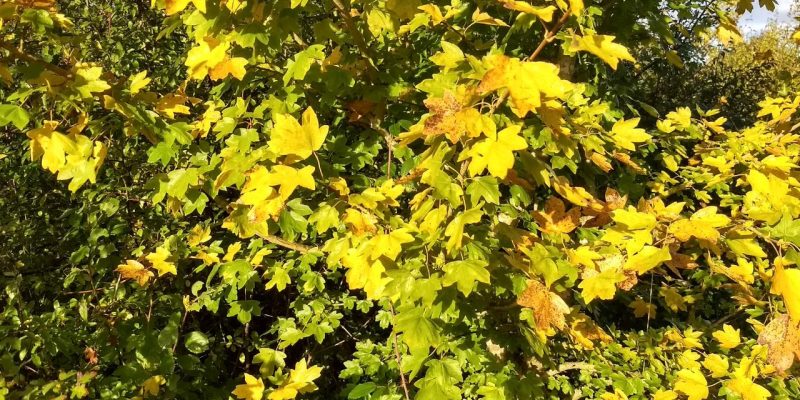
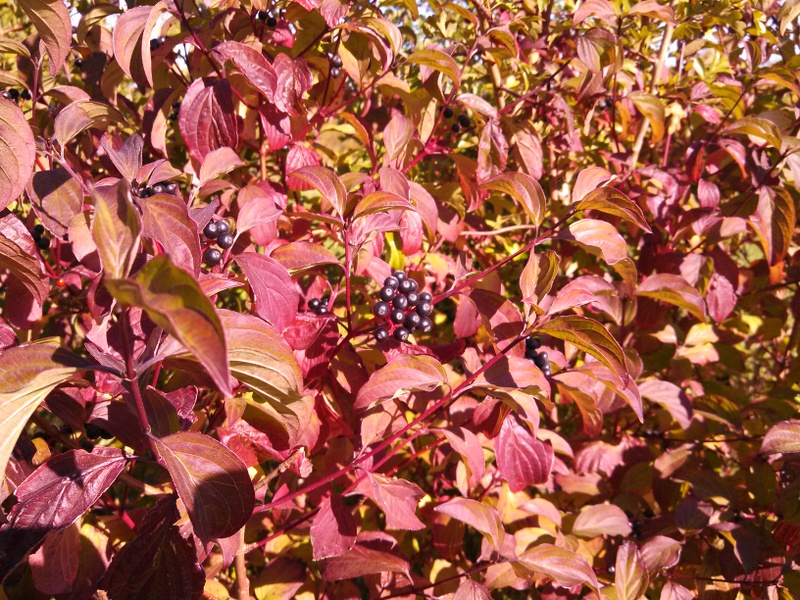
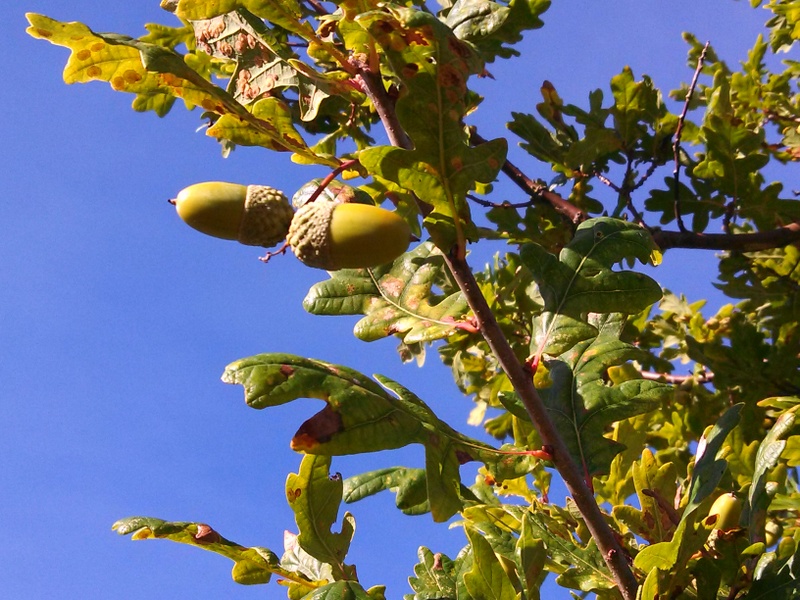
Autumn approaches but the wood is still full of leaf even if there are some early signs of yellowing in some of the trees.

John Keats’ poem To Autumn with its famous first line:

Season of mists and mellow fruitfulness

always makes me think of cooler mornings and watery sunshine on the fluttering patches of reds and yellow as the trees lose their leaf chlorophyll.

As daylight hours shorten and the temperature cools, chlorophyll begins to decrease and the orange and yellows (carotenoids) that have always been there start to show through. However, the reds and purples,(anthocyanins) aren’t present in the leaf through through the growing season but develop in late summer. When the autumn days are bright and cool and nights are chilly then the leaf colours are at their best.Now is the time to start walking through the wood on a regular basis to watch the colours of the shrubs and trees changing.

It’s also the time to pick the last of the blackberries, although many are already passed their best. Folklore has much to say about the humble bramble but one story I particularly like warns against the picking of its berries after the 29th September, also known as Michaelmas. On that date, so the legend goes,Lucifer was cast out of heaven and landing on the prickly bush cursed the shrub and its fruit, so anyone picking the fruit after that date risked stirring up the devil’s anger. Of course, it’s also a good way of remembering that most blackberries are past their best by the end of September so if you want some fruit for free, and to avoid the devil’s anger, get picking!

Which brings me nicely to the Apple juicing  event on 29th  September at Manor Site Farm where the wonderful crop of apples enjoyed by most of us this year can be pressed to make  apple juice which also freezes well. Come and enjoy some time together with fellow growers and/or tasters. All the details regarding on the village website, www.thegiddings.org.uk.

I think  Keats would approve of such things:

by a cider press, with patient look, Thou watches the last oozing, hours by hours.

Hopefully the Gidding pressing won’t take quite that long!

The Wood Wanderer

Jubilee Wood Watch

Jubilee Wood Watch


An occasional update of events, happenings and interesting things that have been observed in the Jubilee Wood (latest news at the top of the post)

January 2017

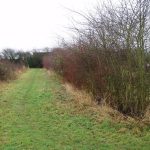
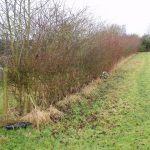
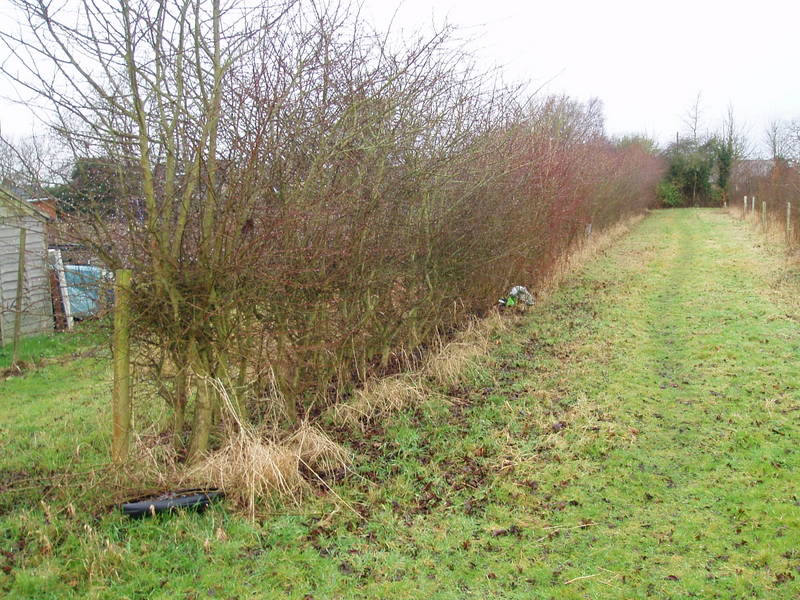
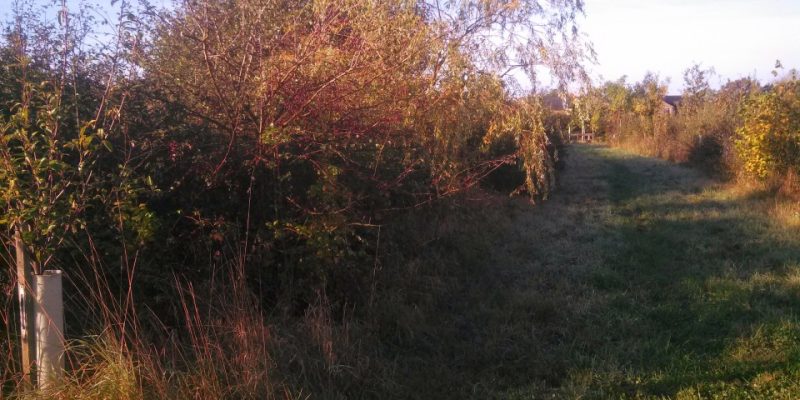
For a quiet month there has been quite a lot of activity in the Jubilee Wood mostly to do with winter maintenance. The hedges on the wood perimeter have been lightly flailed back to their original thickness.  A great deal of lopping of Hawthorn, Blackthorn and Bramble has taken place on the inner tree line to maintain the width of the path ways.  The internal paths have had the same treatment to stop encroachment. This year I have also focused on clearing the above from around as many Oak trees as I can. Most of the Oaks are strong upright specimens that will outgrow any competition but are few are just struggling to compete with the other species. In a natural environment the strongest species would outgrow the others but as this is a managed woodland and I have spent countless hours in the first few years weeding in and around the tree tubes to get the trees off to a competitive start then helping the Oaks is no big deal. There are still some to do so if anyone can spare a few hours for lopping then that would be a good thing.

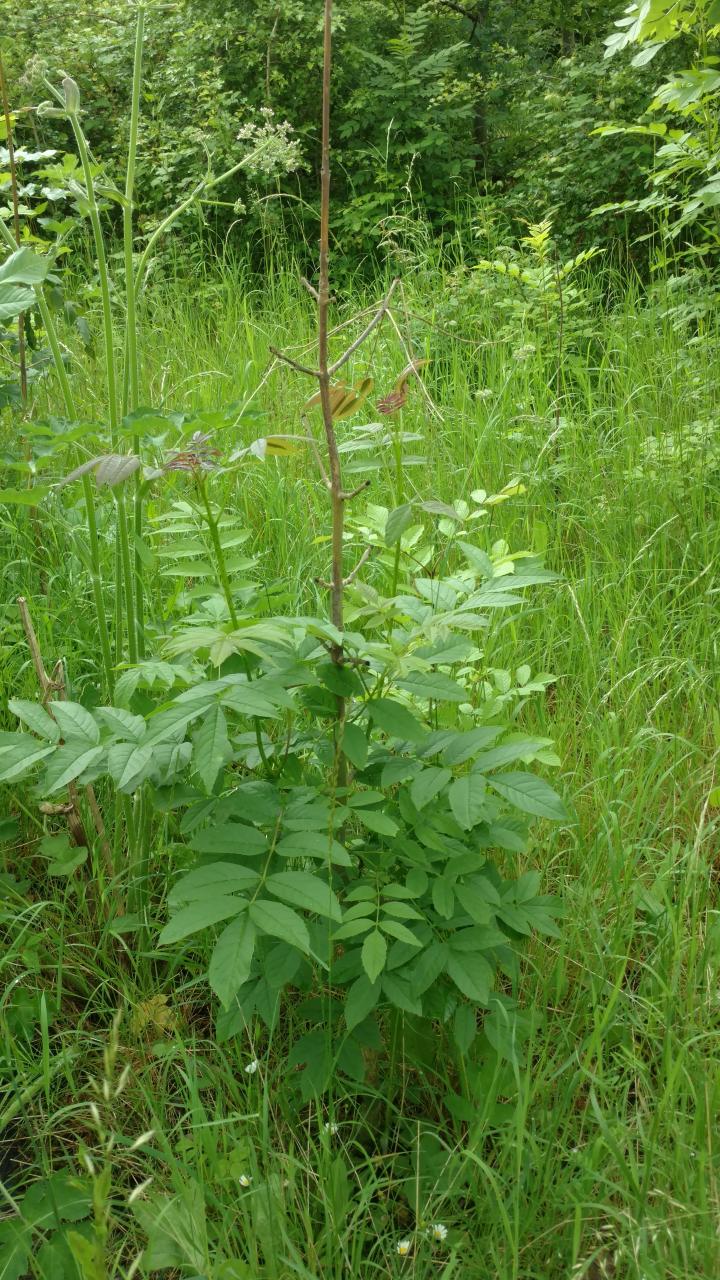
What about the other tree species, well the Ash trees are growing quite strongly, how the Ash Die-back disease will affect us is to early to say. I understand the scientific community have sequenced the Ash genome and have found  differences compared to European Ash that has been devastated. How this affects disease resistance is not clear yet. Hopefully their will be some background immunity but we have to wait and see. Certainly looking around the Parish some of the older Ash trees are dying off quite fast whether this is Die-back or age or another factor difficult to know but I would remind you when out walking on footpaths or roads. Just be aware of your surroundings especially under trees.

As for the other tree species in the wood, well they continue to thrive, albeit with a little trimming here and there to give them best chance.

As part of the winter maintenance programme the Parish council have via the Jubilee Wood maintenance budget, contracted for the dividing hedge between the allotments and the wood to be professionally laid. This always looks at first sight to be a bit of a massacre but environmentally is sound practise as you are stimulating strong dense growth from the base of the hedge. Originally hedge laying was a way of stock proofing boundary hedges and done well looks attractive. There will be some clear up work for the community to do but I’m hoping to sequence this with a “Wassail”

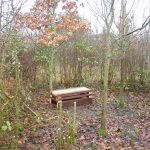
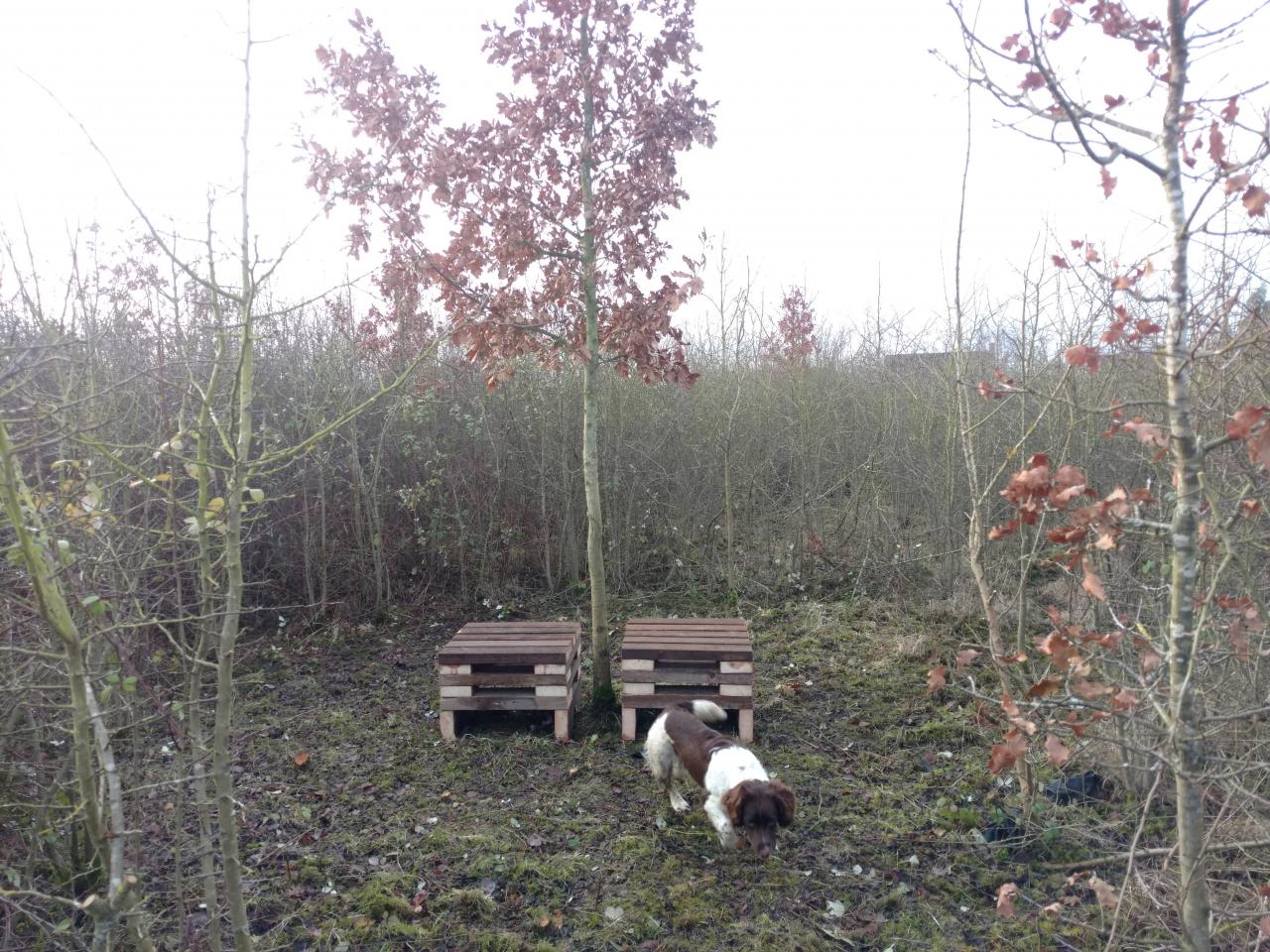
Finally, two new seating areas have been created, not easily seen so you have to go looking for them and they are on a blind track.  A word of warning, the ground is a little uneven so watch where you walk


June 2016

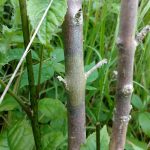
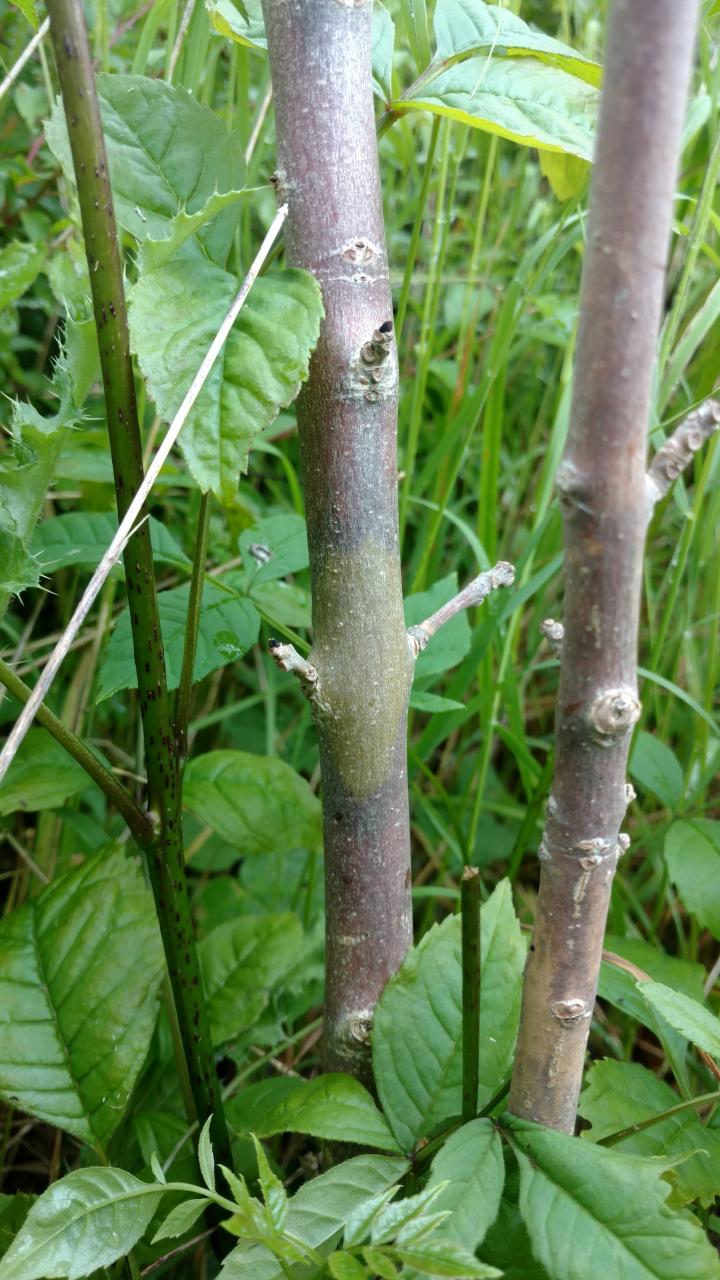
Its been a while since the last report but hopefully more people have found the Jubilee Wood and discovered for themselves the tranquillity and diverse species that can now be seen in the slowly maturing woodland. On the down side it is evident that Ash Die back disease  is established in the wood. Quite a few self set trees are showing the classic sign of a diamond shaped lesion/mark on the stem with leaf loss above. It is not clear how quickly the disease will spread to larger Ash trees. If there is a plus side to this disease it is that because Ash readily grows on this soil almost as a weed there is a chance that natural immunity or slight disease resistance may be evident in the background population. Only time will tell.

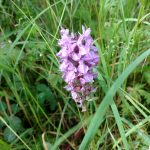
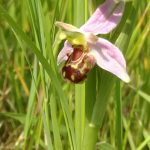
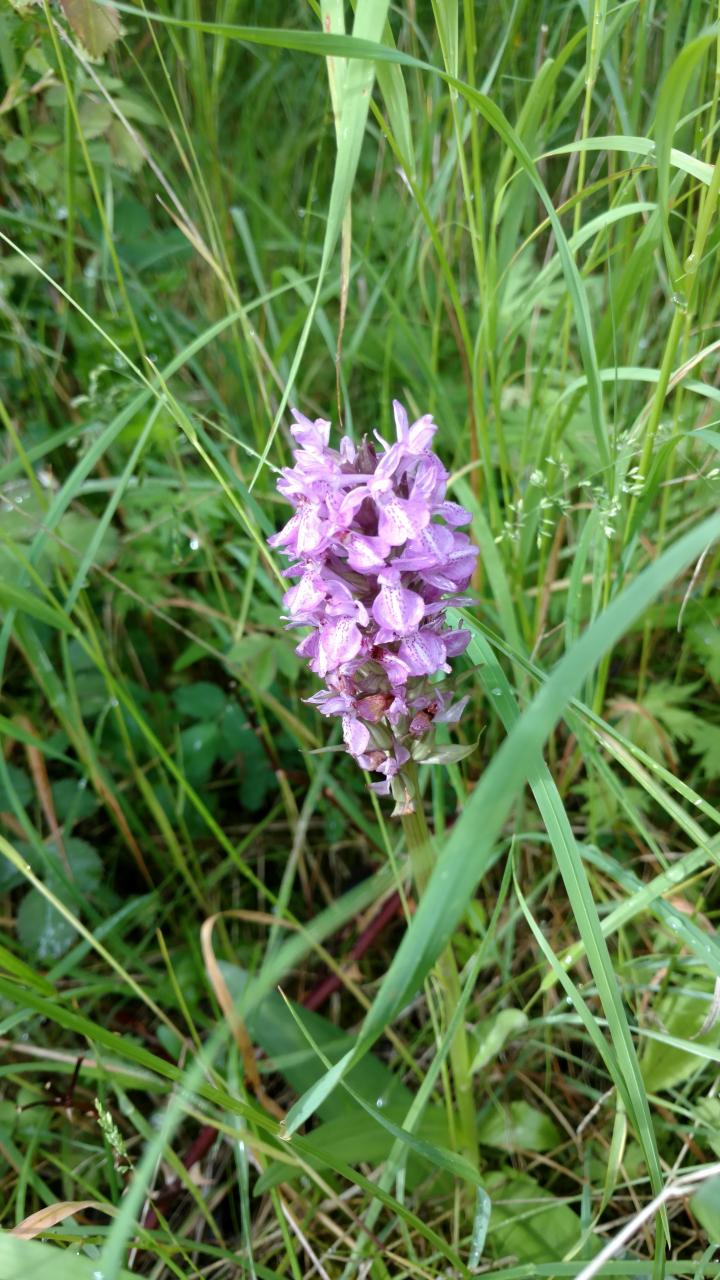
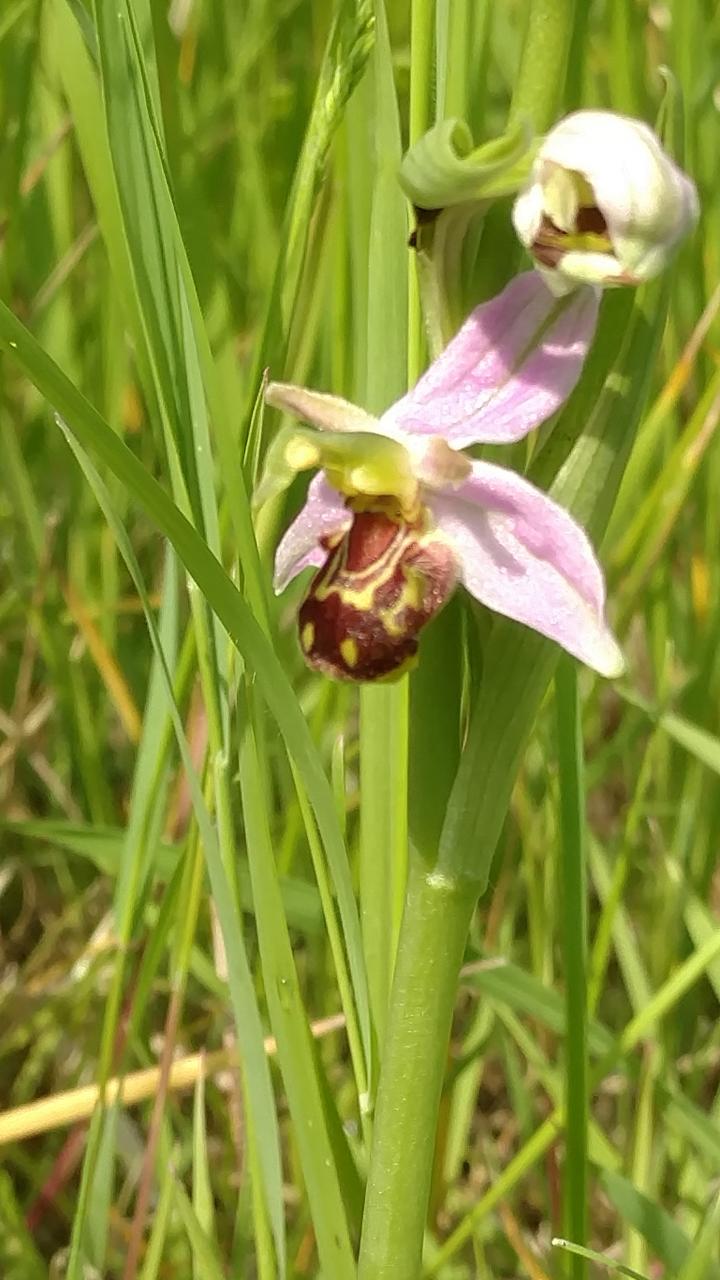
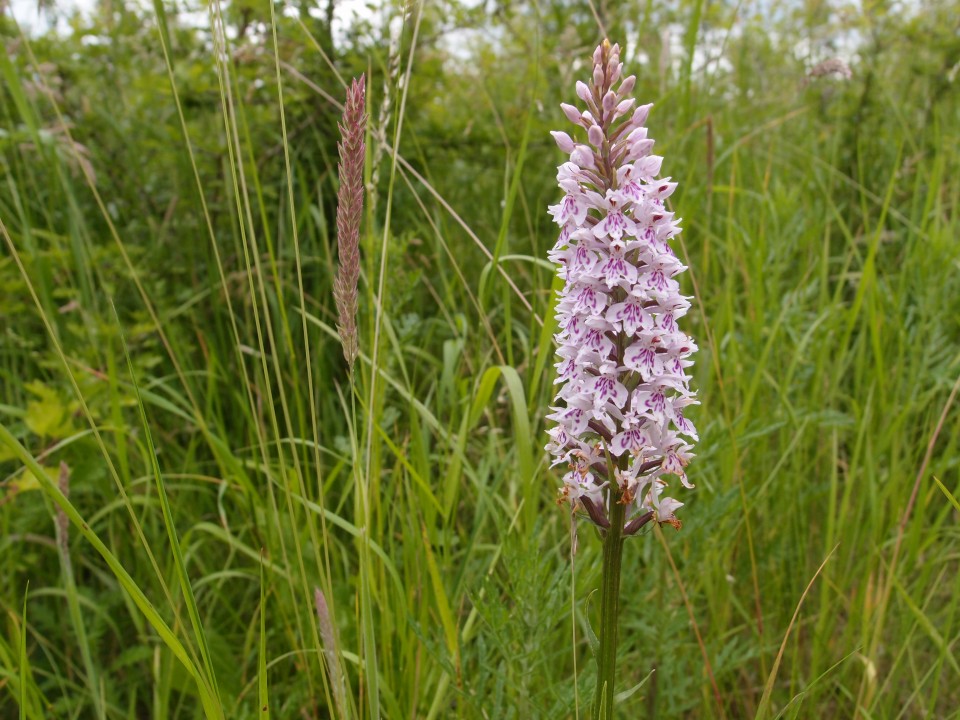
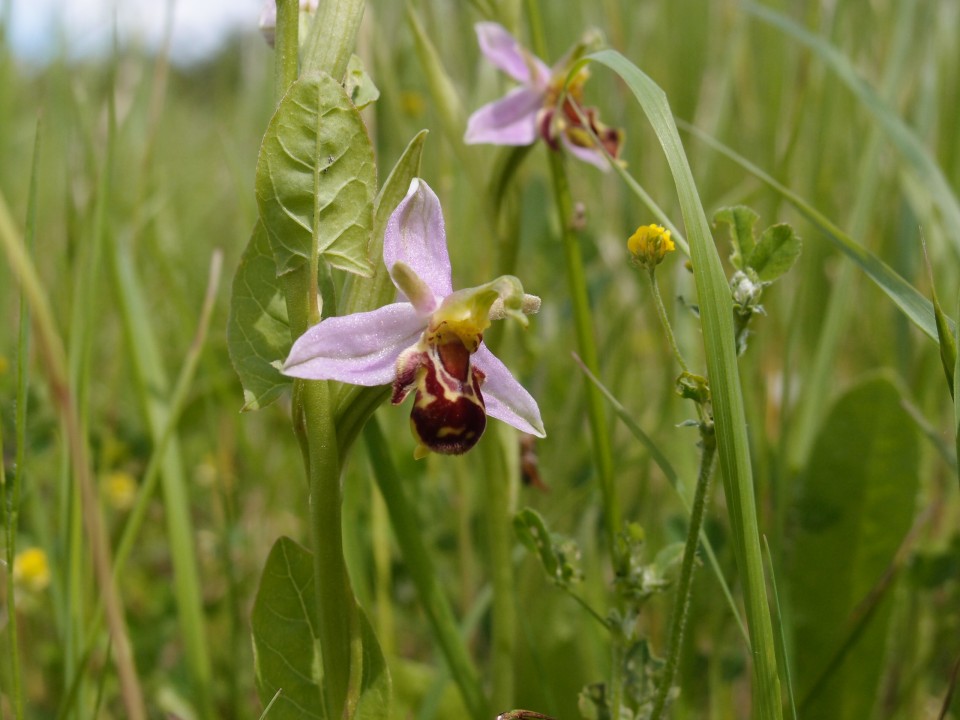
On the positive side, the Bee Orchids are back this year. Very difficult to spot but worth the effort as they are quite splendid plants to look at closely. Other more common Orchids can be found along with a great selection of wild flowers.

Bird life continues to thrive as the hawthorn coverage becomes greater so the nesting opportunities improve. Barn Owls are regular visitors, silently drifting over the wood and adjoining pastures and you are always guaranteed a Red Kite wheeling on the thermals.

If anyone wants to do a bird survey and report back what you see, please do.

The pond offers the biggest improvement to wild life habitat. From the Swallows swooping over and scooping up water which is an amazing sight in itself to all the bugs whizzing around, the waterborne insects, newts and dragonfly’s

Don’t forget to scroll down to see previous reports and activities.

Jan 2014

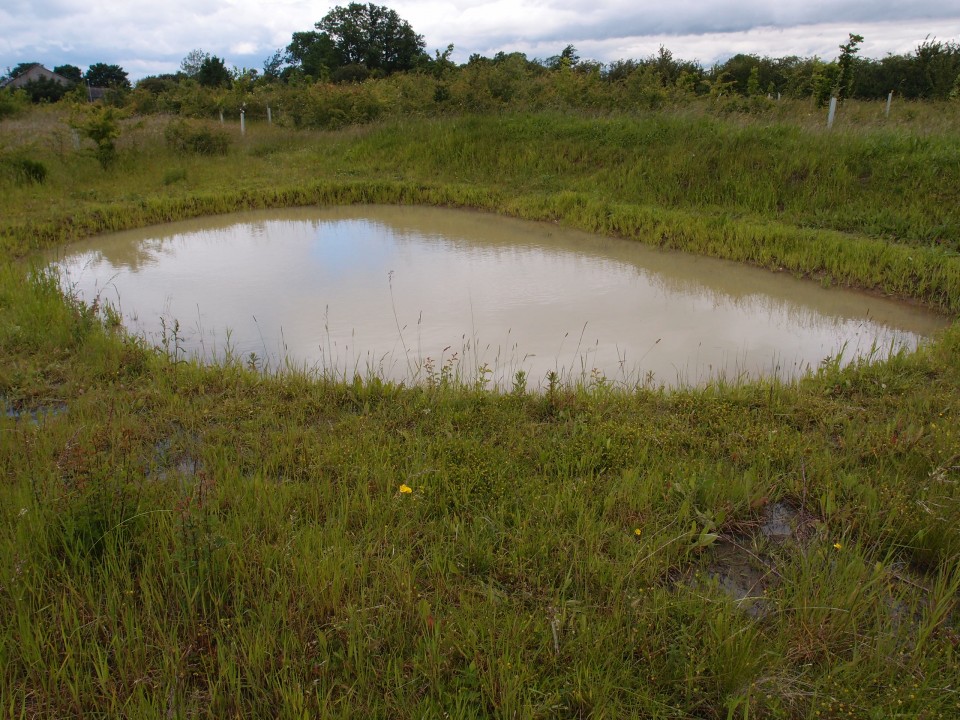
The wet weather continues unabated, at least the Jubilee Pond is full again.

Its excellent to report that the wood is visited very regularly evidenced by the muddy grass tracks all around. What I’ve  noticed is the good numbers of small birds that are readily seen. Blackbirds especially also the Tit families,  Wrens which are supposed to be the most numerous small bird, Green Woodpeckers.and many other brown blobs which are a blur. On which point if any bird spotters would like to spot and identify the species seen in the Jubilee Wood please do so. Like wise for Butterflies.

We had a comprehensive Moth and Gall survey carried out last year the results of which are below. There are some moth results outstanding but work is in progress to bring them to this forum.

We  look forward to some warm and dry days after a blast of snow and Ice just to put the seasons into context.

Survey Results for Leaf Miners And Galls

For most species there is a link out to an external website to explain lifespan and habitat of these interesting members of the animal kingdom.  For leaf miners the adult moth is shown with text about the mine. A big thank you to Barry Dickerson and Andrew Frost for observing and recording.

LEAF-MINERS RECORDED IN JUBILEE WOOD, GREAT GIDDING – 25-09-13 by

BARRY DICKERSON

Code

Taxon

Vernacular

0332

Phyllonorycter corylifoliella

0034

Ectoedemia occultella

0263

Lyonetia clerkella

Apple Leaf Miner

0303

Parornix anglicella

0108

Stigmella crataegella

0260

Leucoptera malifoliella

Pear Leaf Blister Moth

0305

Parornix scoticella

0323

Phyllonorycter oxyacanthae

0067

Stigmella plagicolella

0050

Stigmella aurella

0053

Stigmella splendidissimella

0100

Stigmella oxyacanthella

0116

Stigmella lapponica

0112

Stigmella luteella

0070

Stigmella obliquella

0326

Phyllonorycter blancardella

0321

Phyllonorycter messaniella

0320

Phyllonorycter quercifoliella

0037

Ectoedemia albifasciella

0332a

Phyllonorycter leucographella

Firethorn Leaf Miner

0078

Stigmella incognitella

0097

Stigmella malella

Apple Pygmy

0352

Phyllonorycter schreberella

0356

Phyllonorycter tristrigella

0063

Stigmella lemniscella

0308

Parornix finitimella

0304

Parornix devoniella

To find out more about Leaf Miners click this link to British Leaf Miners

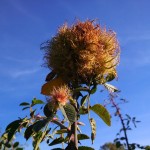
Listed below is a list of Plant Galls identified by Barry Dickerson  following on from the moth survey that was conducted earlier .

PLANT GALLS FROM JUBILEE WOOD GREAT GIDDING GRID REF TL1283

COLLECTED BY B Dickerson DETERMINED BY P Walker 25/09/2013

Andricus kollari                                 Knoppler Gall on Acorns

Andricus fecundator                       Artichoke Gall Bud of Oak

Neuroterus numismalis               Silk Button Gall Oak Leaves

Neuroterus quercusbaccarum   Common Spangle Gall on Oak Leaves

Neuroterus albipes                         Smooth Gall on Oak Leaves

Cynips quercusfolii                          Gall on Oak leaves

Cynips divisa                                      Oak Pea Gall on Oak Leaves

Diplolepis nervosa                           Pea Gall on Rose leaves

Aceria macrochylus                         on Maple Leaf

Phollocoptes goniothorax            on Hawthorn leaves

To find out more about plant galls click this link to The British Plant Gall Society

Autumn  report

Our local Moth experts were back in the wood in early October to see what late season moths were about but unfortunately it was a bit to cool for good moth trapping however a survey of Leaf Mining moths and plant galls (caused by flies) was successfully undertaken. We hope to have a full report of all species identified soon.

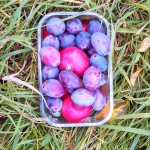
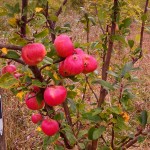
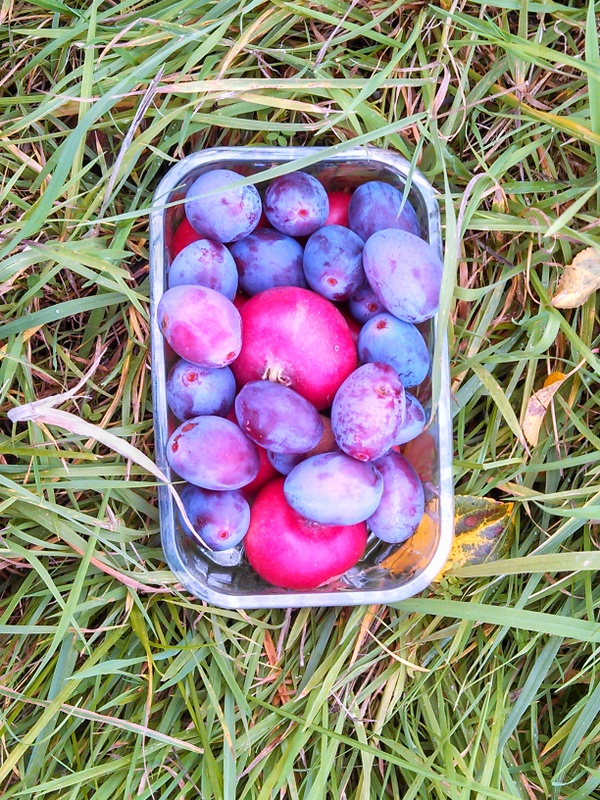
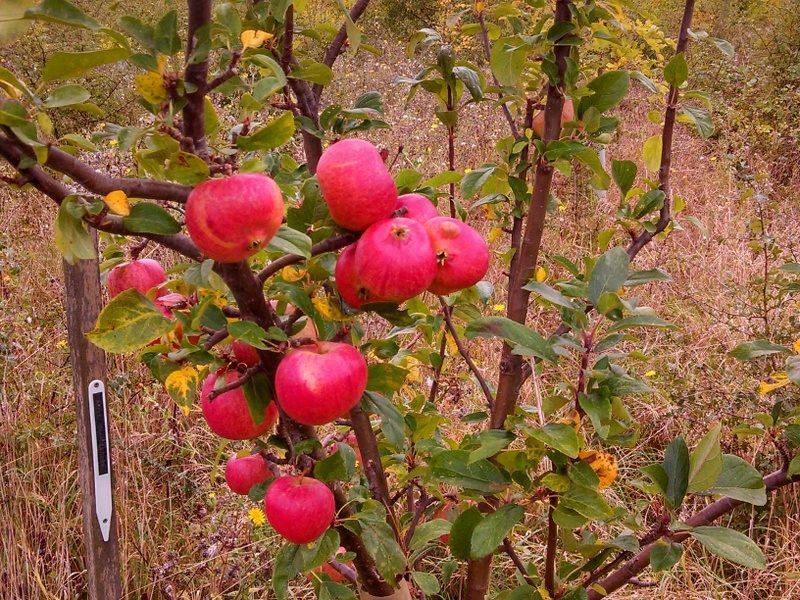
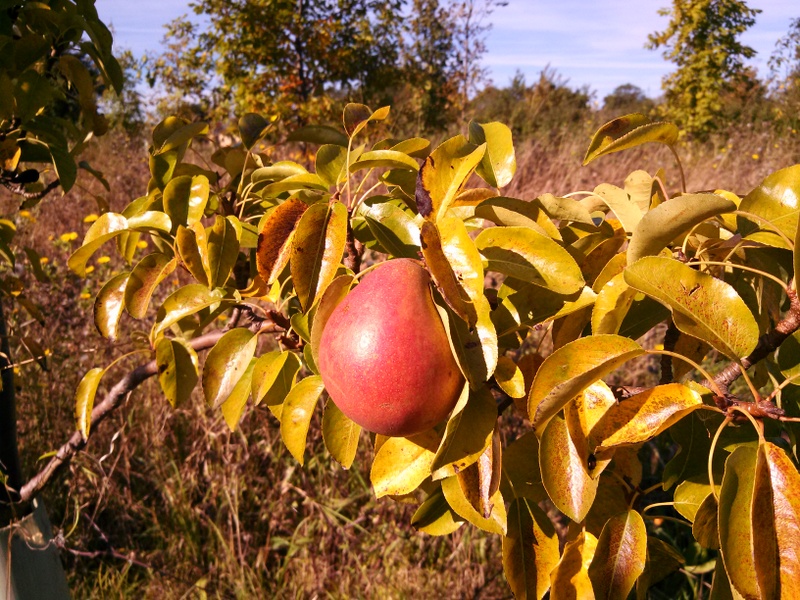
As most of you have seen its been a tremendous fruit year and the fruit trees in the wood have produced despite being of young age. Its good to report that the fruit has been “scrumped” which was what we hoped would happen. I managed to sample some of the apples and picked the last of the Damsons.

Nationally tree diseases are making the news, every species seems to be suffering. Whether its because of better monitoring or climate change its difficult to say. All I can suggest is that if you are planting trees make sure they are from good reputable tree nurseries.


Moth night update

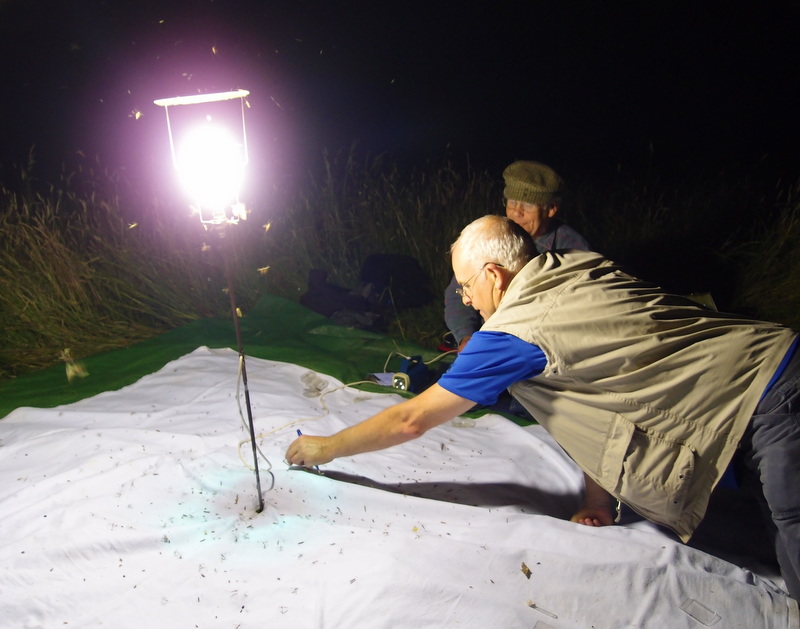
Two very successful moth trap and identification evenings have been held in the Jubilee Wood during July. Over 8o species of moths have been identified which for such a young wood is very good. This suggests that the ecology of the wood is reasonably sound and that the food chain for all species is working. It was a real eye opener to see how a moth trap works and the knowledge that  Barry and Andrew displayed in identifying the various species.

Special mention to Nick Hughes for supplying a power lead and electric to run one of the traps. Cheers Nick !

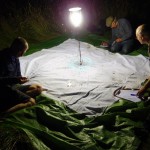
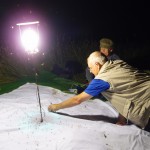
See the gallery below of the team in action. A full species report will be saved in the Jubilee Wood archive folder.


Early July 2013

Moth Night, with a bit of luck and belief in the long range weather forecast we are holding two moth trapping evenings very soon. The first is a test evening on Saturday 6th July and then a follow up on Friday the 12th July. Both events will start at dusk and continue until late into the night or until moth activity ceases. The purpose is to see and identify the species that inhabit the Jubilee wood. A report will follow with some pictures if all goes well.

Late June 2013

The natural world seems to be catching up after the cold winter and spring although it is noticeable how some things are flourishing and others not.

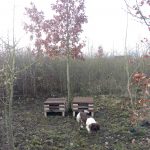
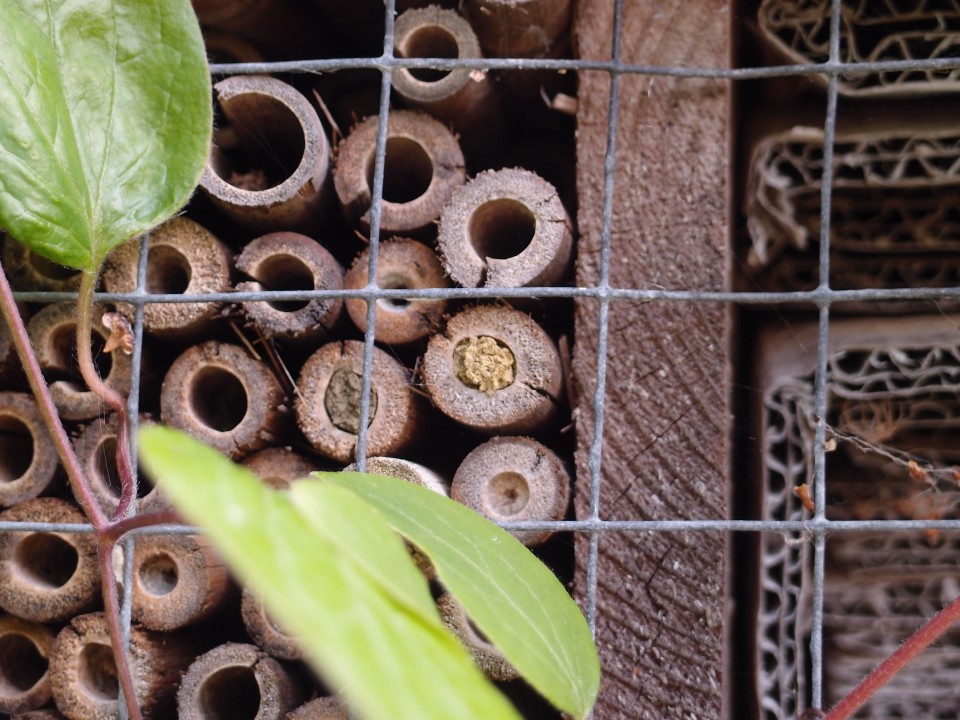
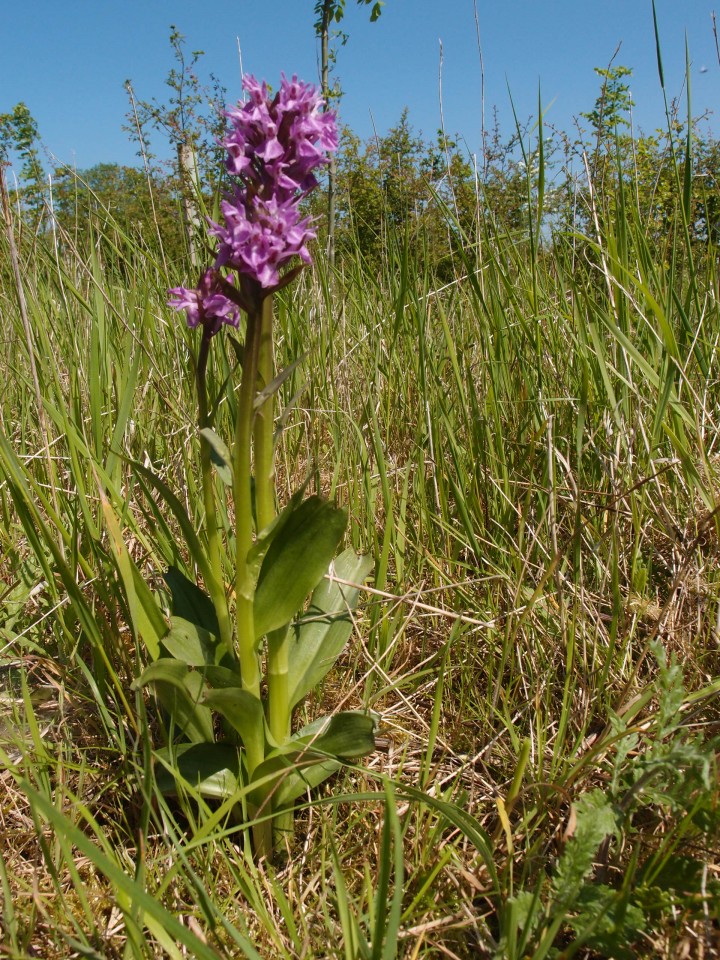
Good news, Mason Bees have been laying eggs in the bug shelter. Look at the ends of the bamboo canes and you will see they are packed with mud beyond which is an egg. These will hatch next spring. Lots of Marsh Orchids of various types are spreading throughout the wood. No sign of  Bee Orchids yet and no Yellow Rattle. There is still time even the Clover is only really starting to flower. Scroll down to June 2012 for photos of wild flowers.

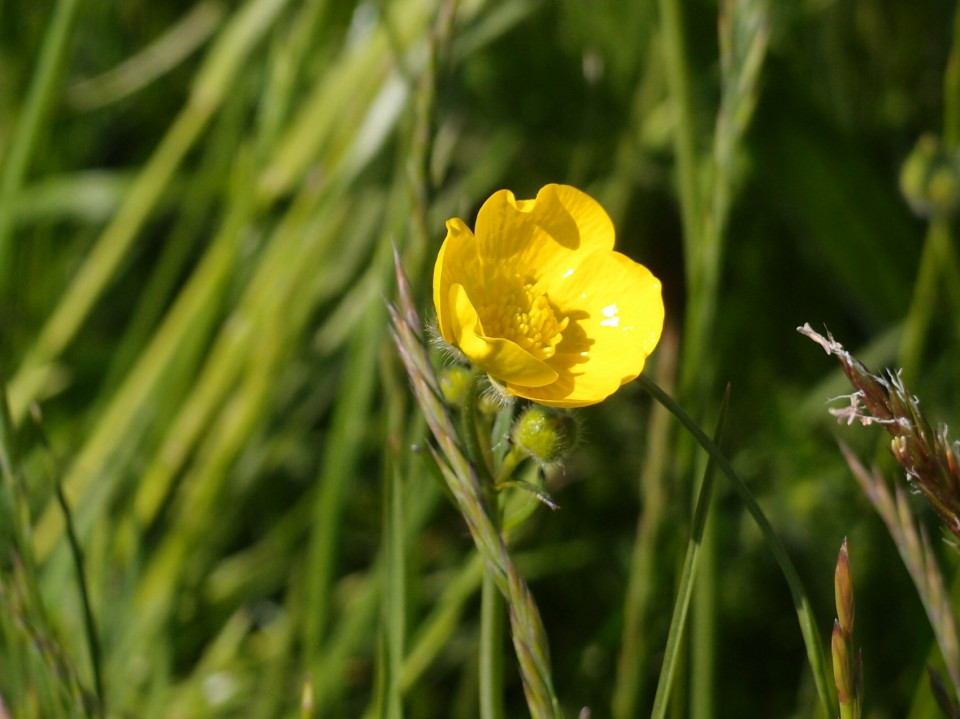
Plenty of Buttercups on which the Bees seem quite active. No sign of Ash Dieback yet but its probably to early.

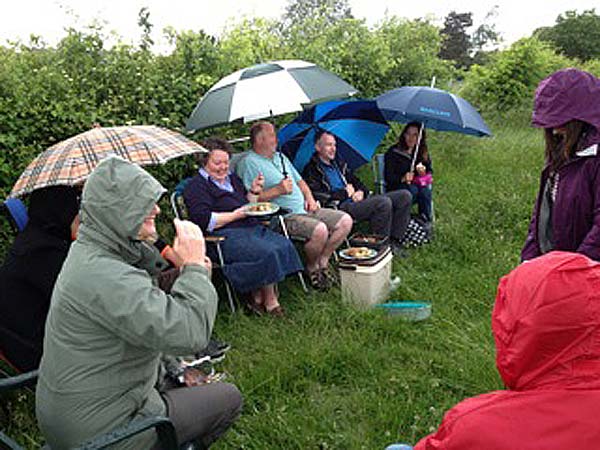
The 10th and final Mid Summer picnic has been held and true to form it was cold, wet and jolly for those who attended.

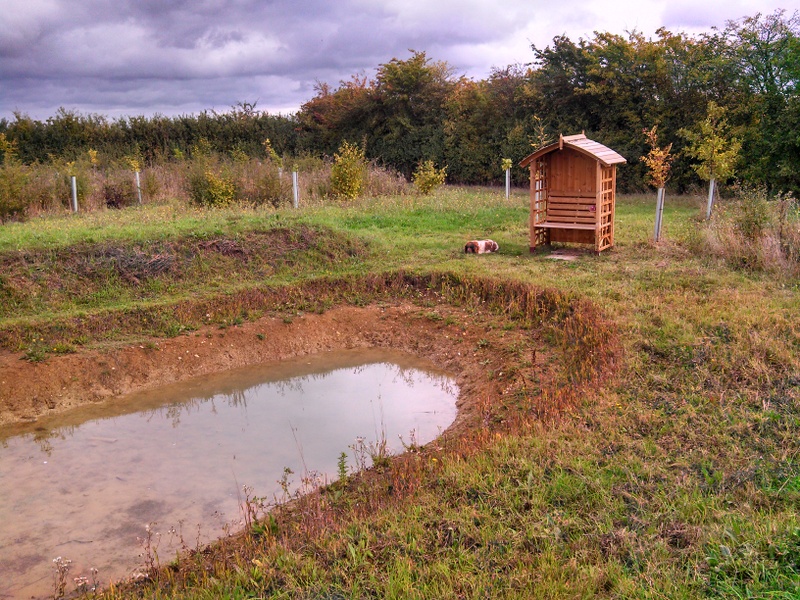
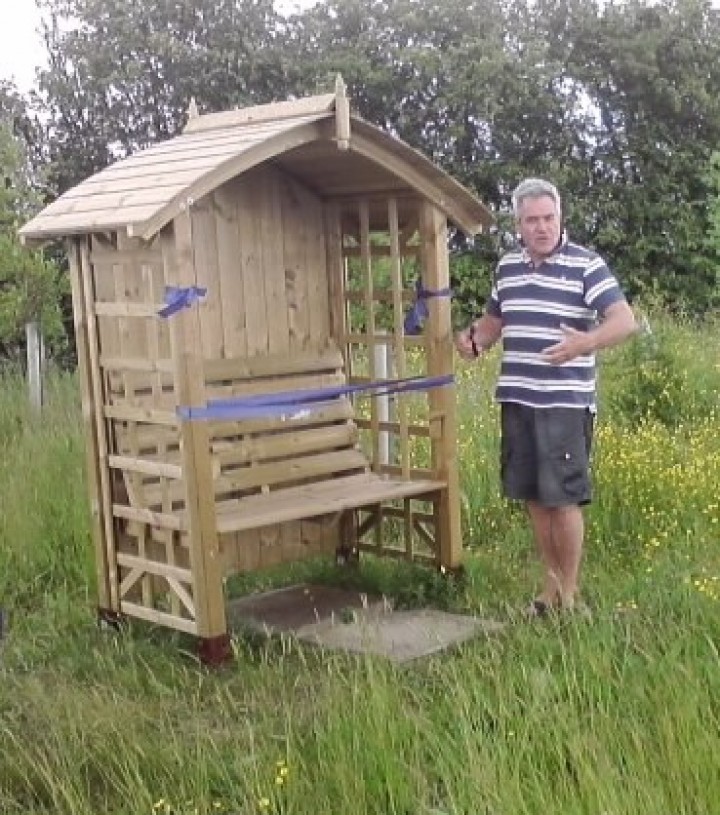
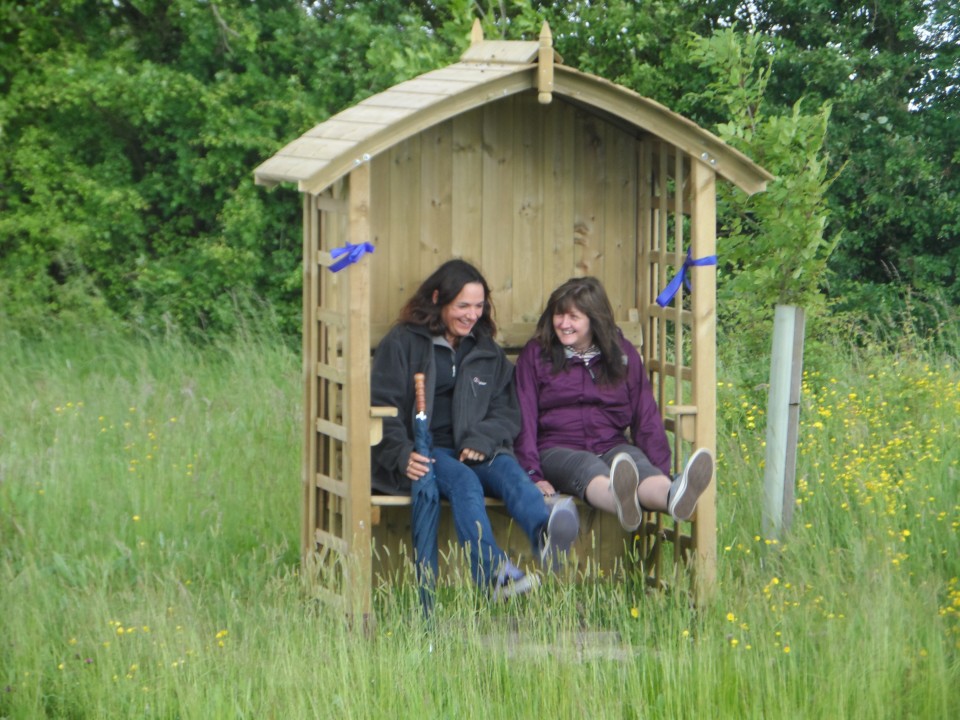
The Arbour has been put in place, it provides a great view of the setting sun over Main Street. More importantly its a great place to sit quietly and listen to the birds and the bees and watch all the insect life around the Jubilee Pond.

May 2013

At last some blossom to report, Cherry, Crab Apple and Blackthorn have finally burst open to give the feeling that spring or summer has arrived along with the general greening of the countryside. It is reasonable to suggest that the year is about 4 to 6 weeks behind.

The Jubilee pond is Proving popular with the Great Crested Newts. If you sit on one of the mounds for a few minutes you will see them coming to the surface for air. Plenty of other bugs to be seen.

Don’t forget the Midsummer Picnic on June 23rd. Full details here

March  2013

Good news, observations around the newly dug Jubilee Pond suggest that Common Newts have taken up residence on the shallow ledges  of the pond. No real surprise this as  newts have all ways been present in this area although it does help sell the Newt Trail. We think frog spawn has appeared so another good sign that the pond is becoming environmentally sound.

Also observed, a Great Diving Beetle about the size of a 50p piece.

The Barn Owl is now a regular visitor. It can be seen most mornings either perched on a branch or drifting silently over the wood after prey.

We hope that the Arbour will arrive for summer use. It is hoped that we can place the Jubilee Wood file somewhere within the structure so that it can be read but also kept dry.

Photographs are always welcome as are your own observations or comments. Please use the comments box to have your say.

January 2013

Its good to see that there are plenty of visitors to the wood both human and animal, the paths being well trodden. It was great to see a Barn Owl hunting over the wood on several days. The open central area and the wide mown paths are ideal for small mammals and consequently food for the owl. There are quite a few Barn Owl nest boxes around the parish and they do seem to be occupied. Little Owls can also be seen and heard on a regular basis. A Green Woodpecker was seen, busy prodding the ground for food. We all know about the success of the Red Kite breeding programme and without fail one or two Kite are seen drifting over the wood and the village. They seem to start at the top of the village and drift down the hill.

The new pond is brim full, hardly surprising really given the weather of the past 9 months. Plenty of invertebrates have already taken up residence and no doubt some of the things you cant see without a microscope are busy colonising the water. The plan is to let nature take its course unless we get an infestation of algae or similar then it will be hands on.

Advance notice that the Parish Council have kindly donated a sum of money from the charity account for the purchase of an Arbour to be sited near the pond. This is to recognise 10 years since the wood was planted. It is hoped that it will be installed for the 10th mid summer picnic on Sunday  23rd of June at 1500hrs

November 2012

As we reflect on probably regarded as the worst summer weather that anyone can remember the natural world grows on. Of course the big news is Ash Die-back disease which can be viewed here. The other main news is the tremendous growth that Oak trees have put on, the relentless growth of  grass, thistles and clover.

The midsummer picnic  came and went, picnicking in welly’s  is ok but the novelty soon wears thin. Several attempts were made to organise a Moth Watch but each time it rained so a fresh attempt will be made next year.

The Jubilee pond remained full all summer and careful viewing shows lots of  small water creatures have taken residence. We are trying not to introduce anything by hand into the pond. It is a bit of an experiment to see how colonisation takes place naturally.

The Newt trail signs are now in place.

Mid June

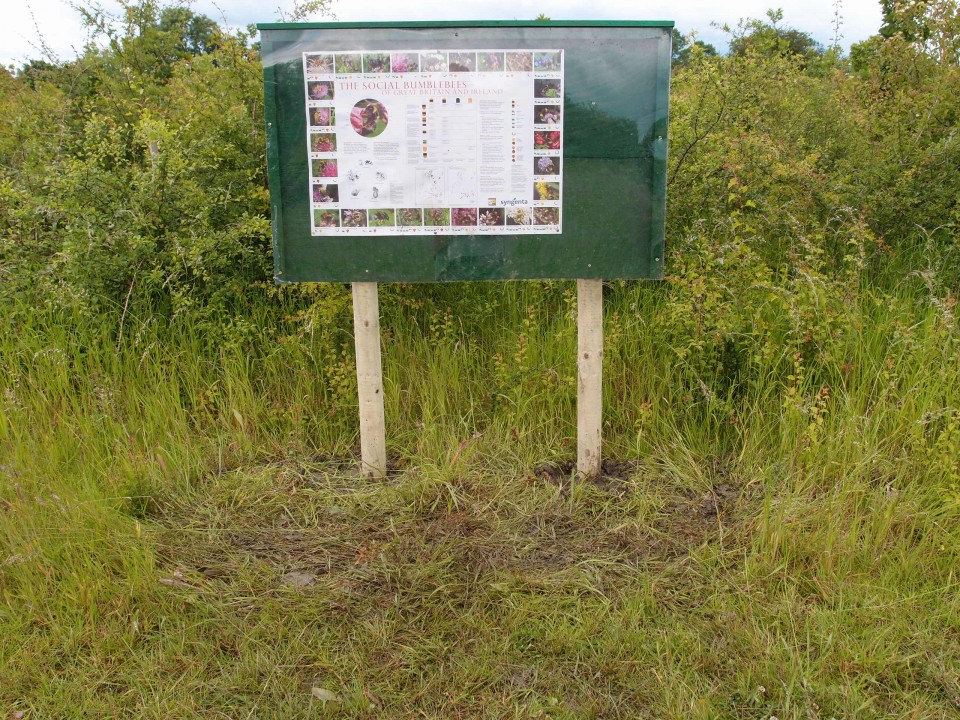
A new  notice board has been erected in the Jubilee Wood near the central grass area. We hope to maintain a relevant flow of woodland notices and information. The first offering is a splendid poster sent to us courtesy of Syngenta . Its all about Bumble Bees of Great Britain and Ireland.

The Jubilee pond has maintained its level. Hardly surprising in the wettest June on record. There was an element of doubt as to the exact location that the pond should have been excavated but on evidence thus far its in the right place.

Moth watch, the weather has not been calm enough to set up a moth trap so far this summer. We will go ahead at some point but it will be at short notice so look out for a last minute e-mail or text.

June 2012

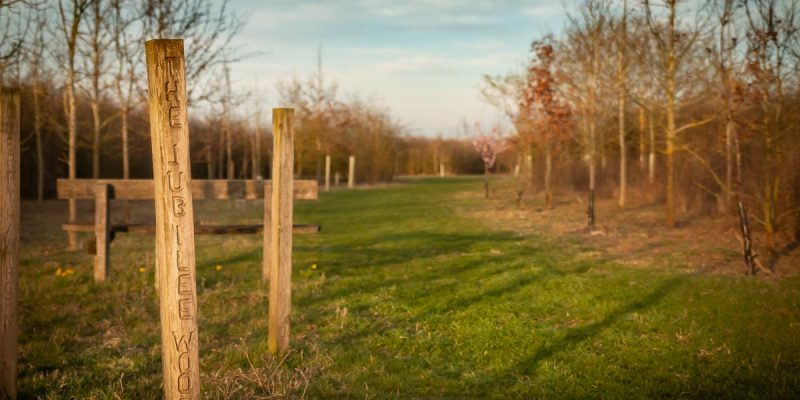
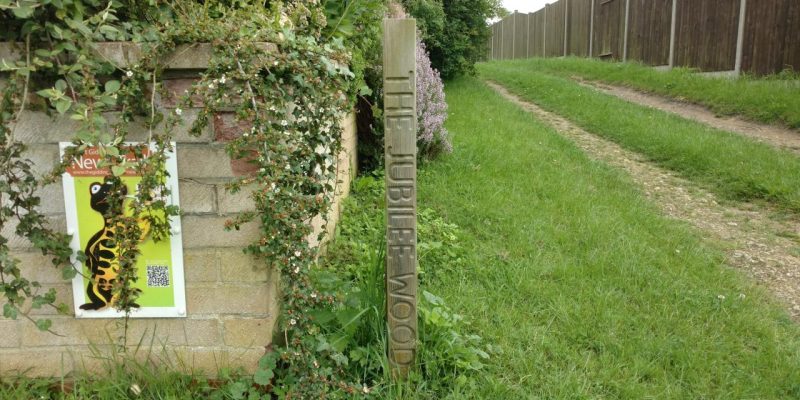
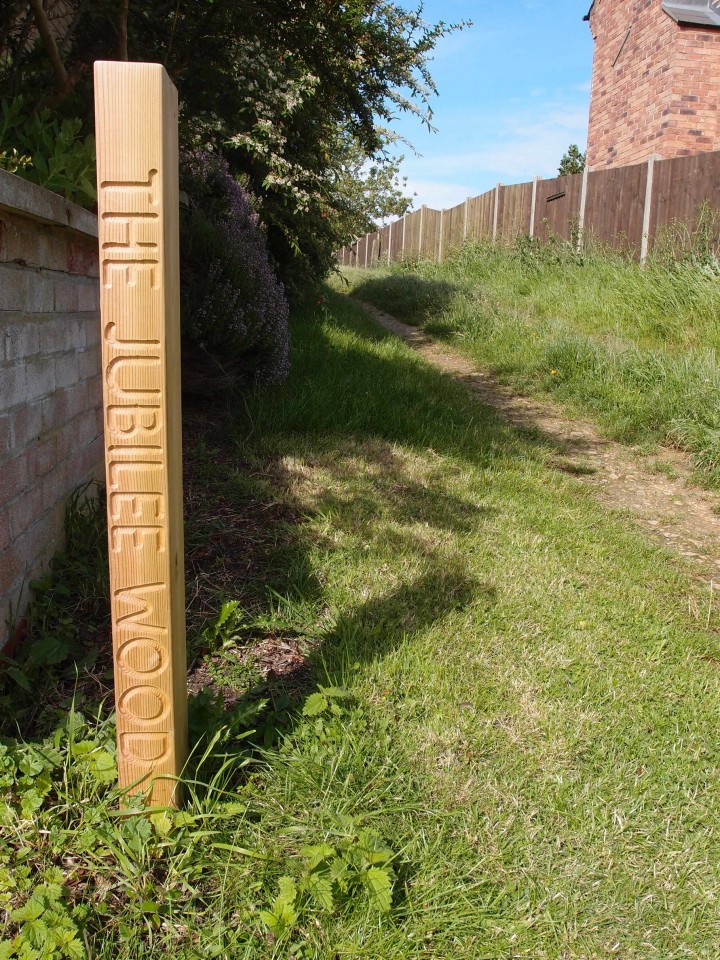
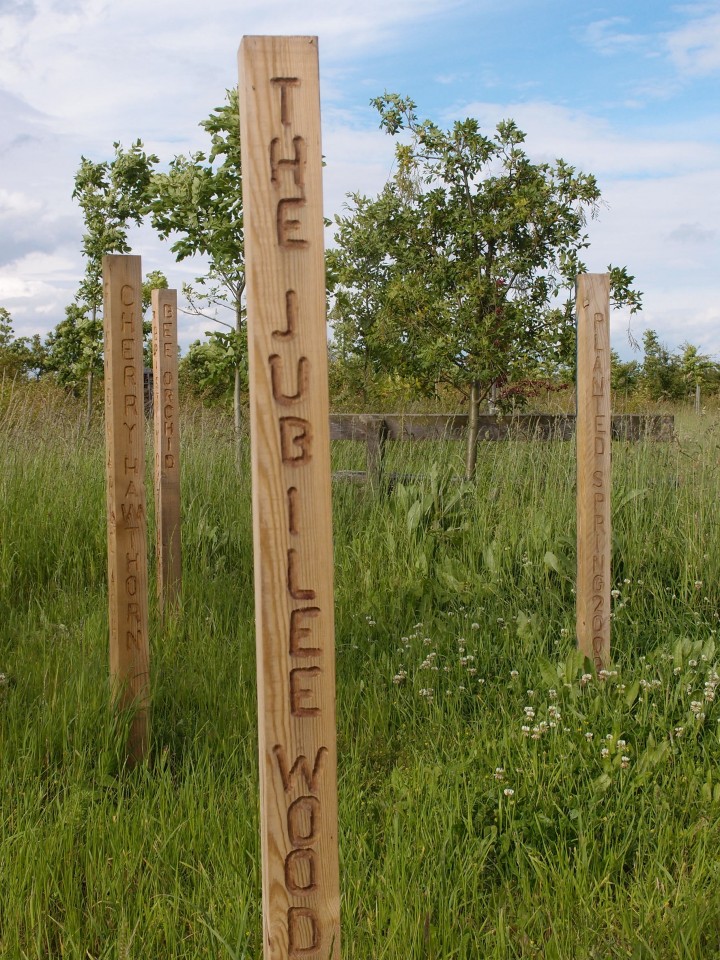
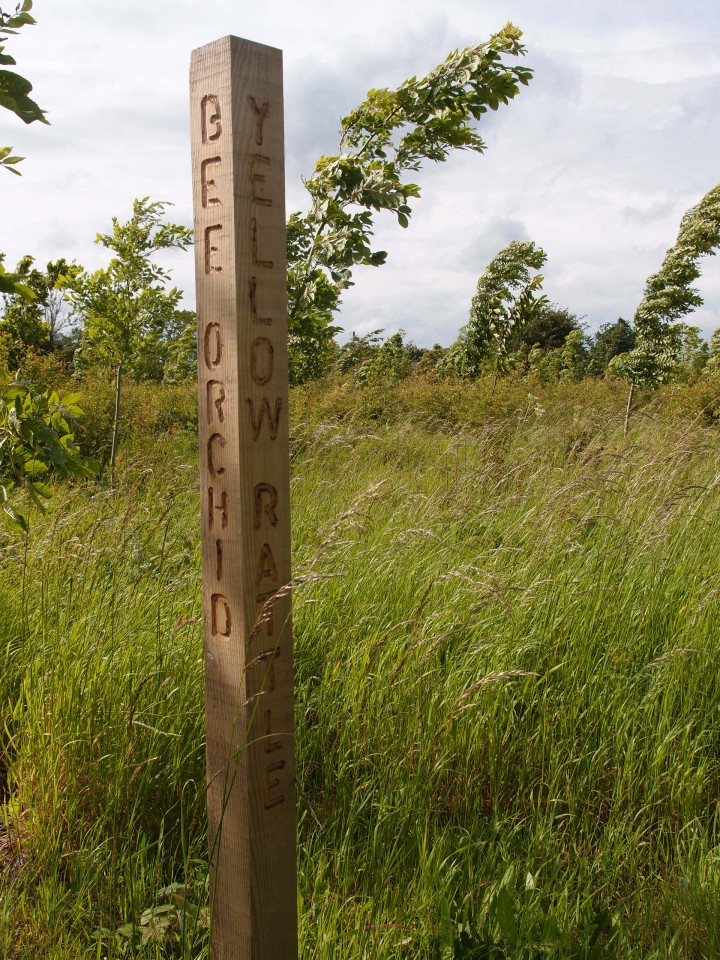
New wooden post signs have been place at the entrance to the Jubilee Wood.

June 2012
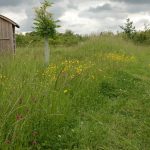
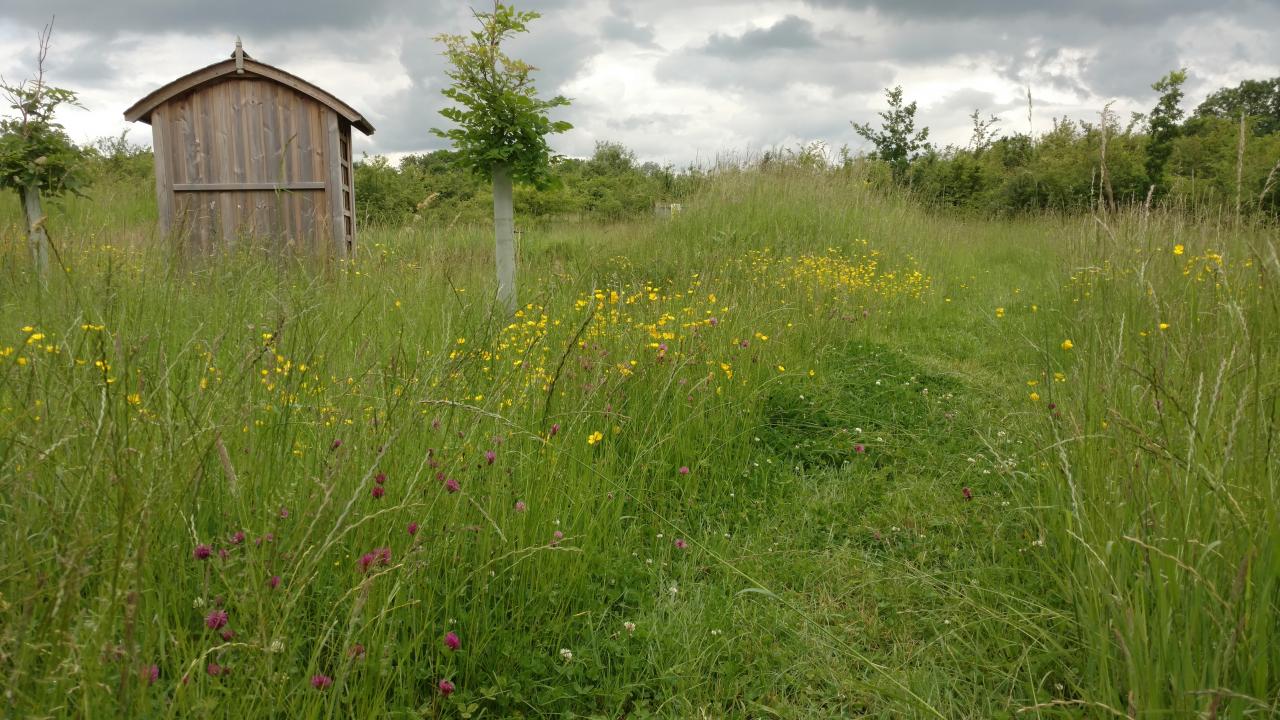
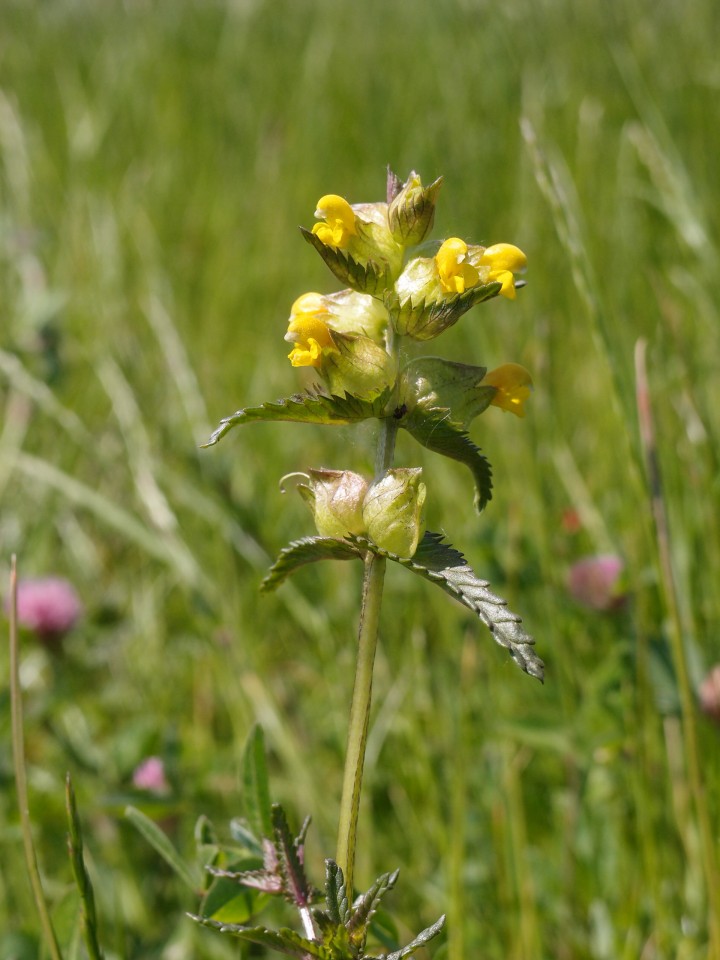
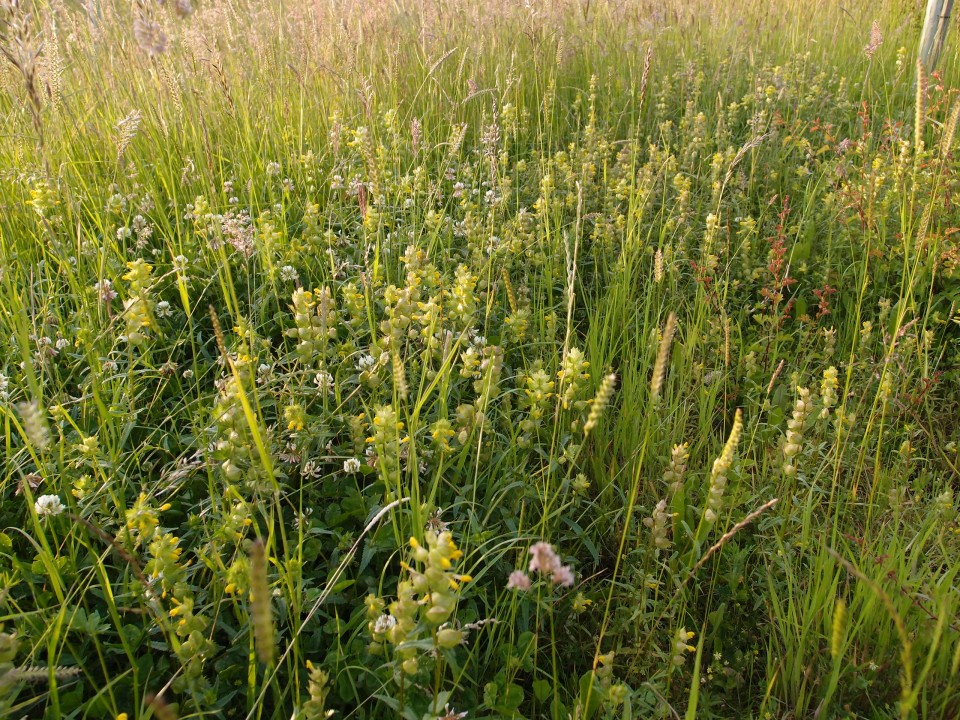
Some of the wild flowers to be seen in June. This year the grasses are showing very strong but its still quite easy to spot all the wild flowers that have become established. Interestingly Yellow Rattle has really got going and is showing how it can inhibit grass growth which is good environmentally but not so good if you want to make hay.
The Bee Orchids are back but the Marsh Orchids although spreading are not seen in such numbers this year. The vetches and tares are all growing well.


 

Barn Owl sitting on the camera

Barn Owl sitting on the camera

2014 has seen an apparent successful breeding season for Barn Owls in the Gidding Parish. At one location I tried to film some evening activity with a new time lapse camera, really just to understand the potential of this type of camera. So it was with surprise and great delight that on reviewing the film that a Barn Owl had decided to land on the camera and use it as a perch for quite a few seconds. If you look carefully another Owl can be seen in the Ash tree. 

The camera is a Brinno TLC200. 

Video: Michael Trolove

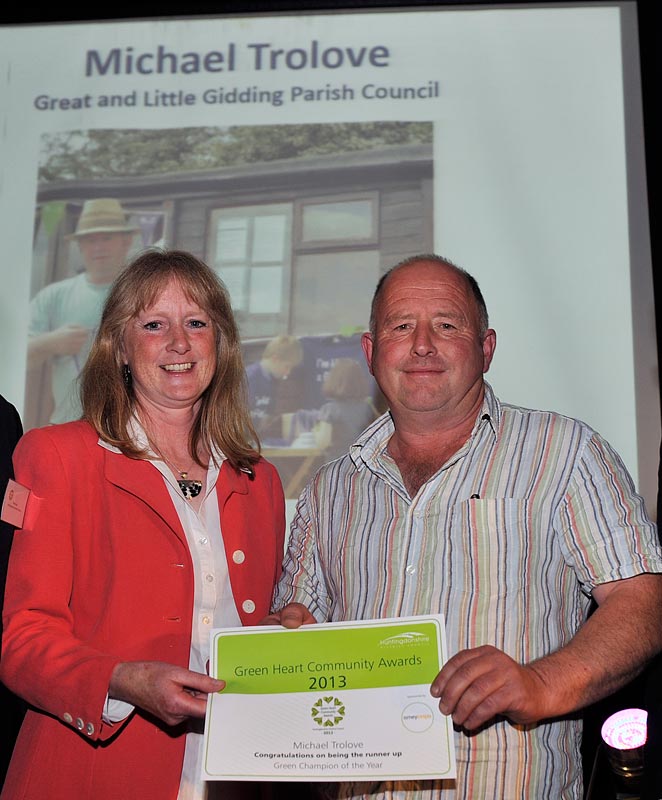
Michael is runner-up in ‘Green Champion of the Year’ award

Michael is runner-up in 'Green Champion of the Year' award

This year’s Green Heart Community Awards, backed by the News & Crier and organised by Huntingdonshire District Council, took place at the Burgess Hall in St Ives. Judges received more than 30 entries for six categories including: Best Primary School, Best Secondary School/College, Green Champion of the Year, Best Wildlife or Nature Initiative, Best Environmental Project and Best Business Environmental Project. The shortlisted nominees for each of the categories were invited to an evening dedicated to them and their hard work in helping to improve the environment of Huntingdonshire.

Great Gidding Parish Council nominated Michael Trolove for the Green Heart Community award and he came runner up at the awards ceremony held at the Burgess Hall on Saturday 15th June.

The Parish Council’s nomination:

Working with the Parish Council and the wildlife Trust, Michael Trolove has always been a valuable asset to the wildlife of Great Gidding.

In the last year Michael has dedicated a great deal of time to the renovation of two village ponds and installed a dipping platform. He has recently prepared a third pond in the Jubilee Wood and as a trained Newt Officer, Michael has also developed the Great Gidding Newt Trail; popular with villagers and visitors alike.

As a Tree Warden, Michael keeps a full list of trees on site and all of them have been given a numbered tag for identification. He has been in discussions with DEFRA concerning Ash Dieback Disease and spends much time planting trees around the Parish, organising a planting event and pop up coffee shop, enjoyed by all for the Diamond Jubilee.

Michael works hard on the maintenance of Jubilee Wood, monitoring, weeding, planting new trees and mulching and in the last year added some old varieties of fruit tree to the planting scheme, created log piles and built bug boxes to further encourage wildlife to the area.

Michael Trolove is instrumental in co-ordinating the upkeep of the Jubilee Woods, ponds in the area and all the trees in the Parish and demonstrates log-term commitment to protecting and improving open space within the village of Great Gidding.

Well done Michael. Very well deserved.

Michael Trolove – Runner-Up in the Huntingdon District Council Green Heart Community award

Cambs ACRE/Environment Agency photography contest marks countdown to spring

Cambs ACRE/Environment Agency photography contest marks countdown to spring

After months of rain and snow, the Environment Agency is counting down the days until spring with a photography competition open to everyone in the east of England.

Environmental enthusiasts have been urged to get their thinking caps on and their lens caps off to capture an image that reflects the upcoming season.

To celebrate the Spring Equinox on Wednesday, March 20, one photograph submitted for the contest will be selected to serve as the banner photograph on their regional Twitter account (@EnvAgencyAnglia) during the season.

The only rules for entry are that the image must be a landscape photograph and it must have been taken in the east of England (from North Lincolnshire to Essex, and as far west as Northampton).

Regan Harris, the Environment Agency’s digital engagement advisor, said:

We know there are a lot of great photographers in our region who love taking pictures of the environment. We also know people are looking forward to the spring, especially after the autumn and winter floods, so we thought a photography competition would be a good way to count down to the new season. Almost 3,000 people follow our Twitter account @EnvAgencyAnglia, so the winning entry will get a lot of exposure when it serves as our account’s banner image. The photograph can be of anything from blooming flowers to sun-kissed rivers, so get creative and think of what you think represents the spring in the east of England. 

Anybody who wants to enter can submit their photographs by sending them with the hashtag #springcountdown on Twitter or email them to angliandigital@environment-agency.gov.uk.

Visit www.cambsacre.org.uk

Townsend Pond

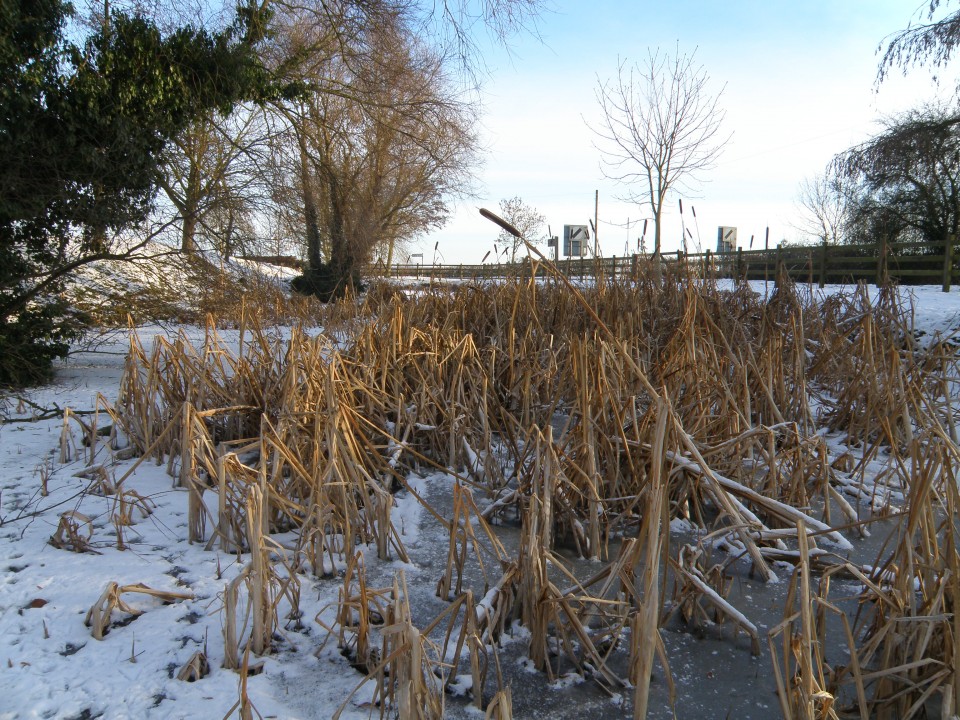
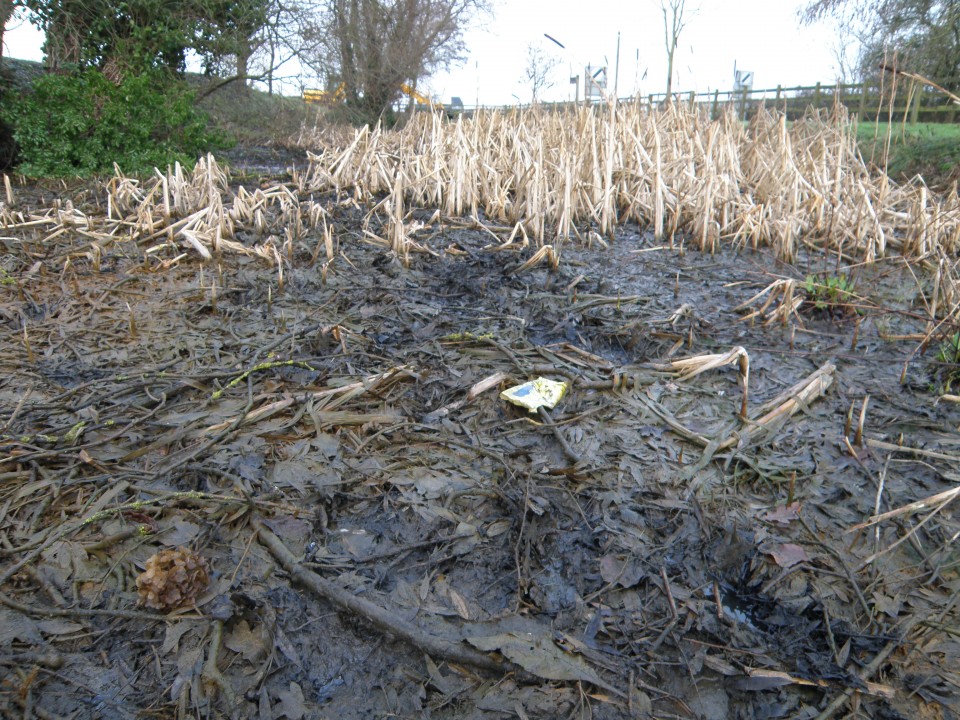
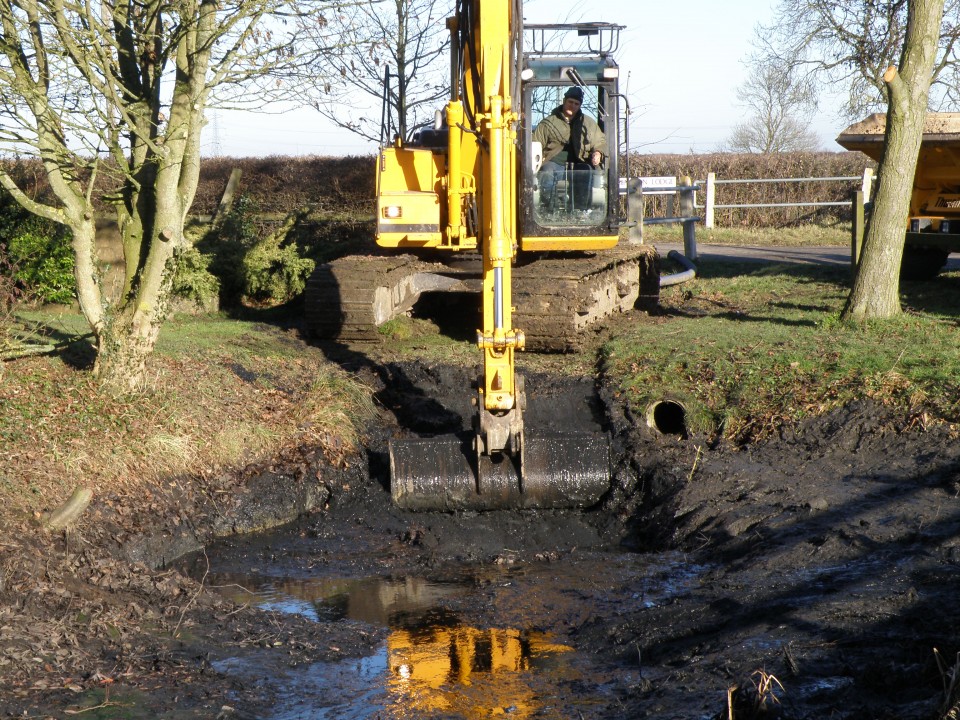
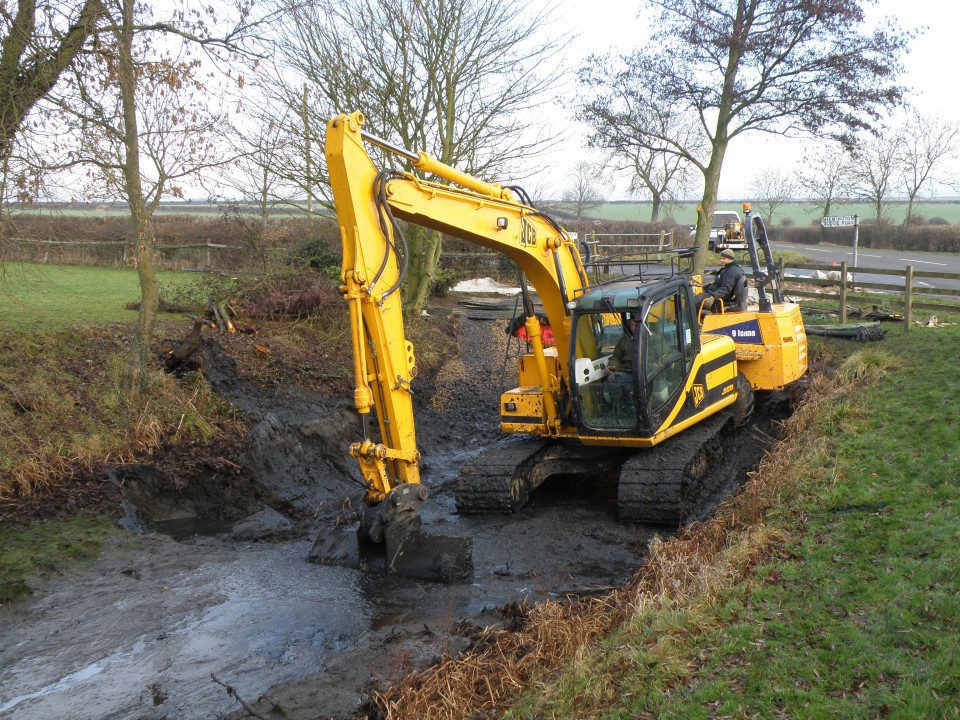
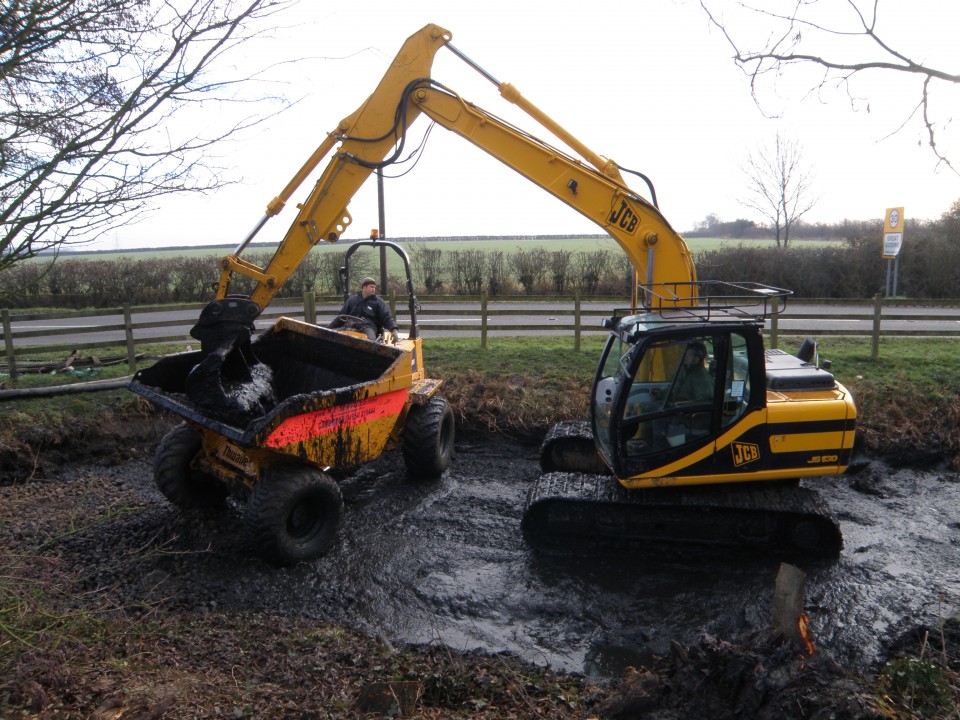
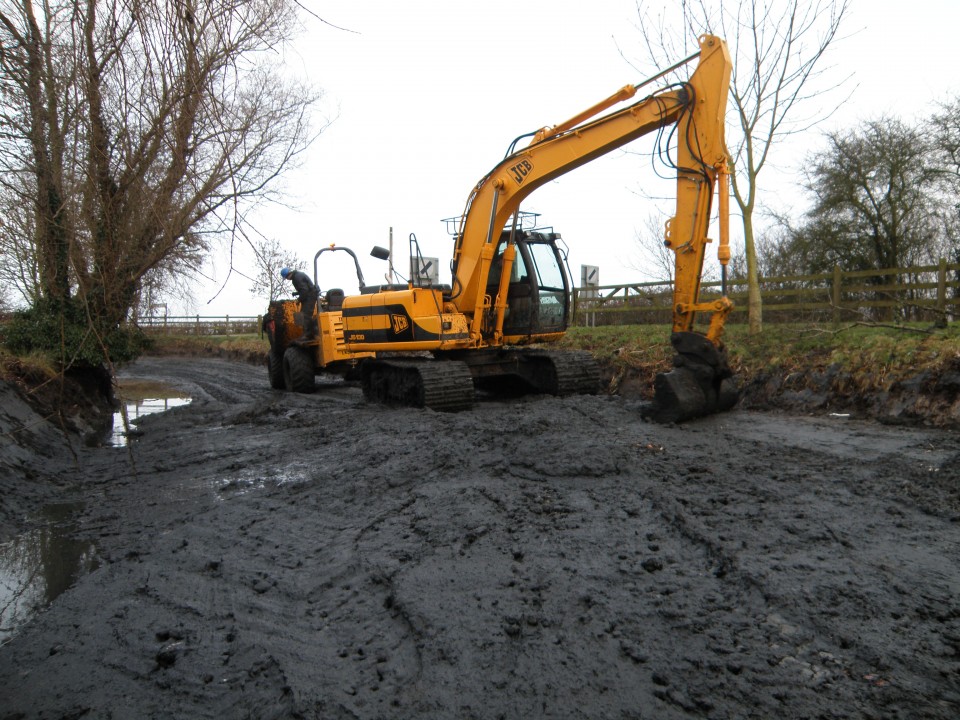
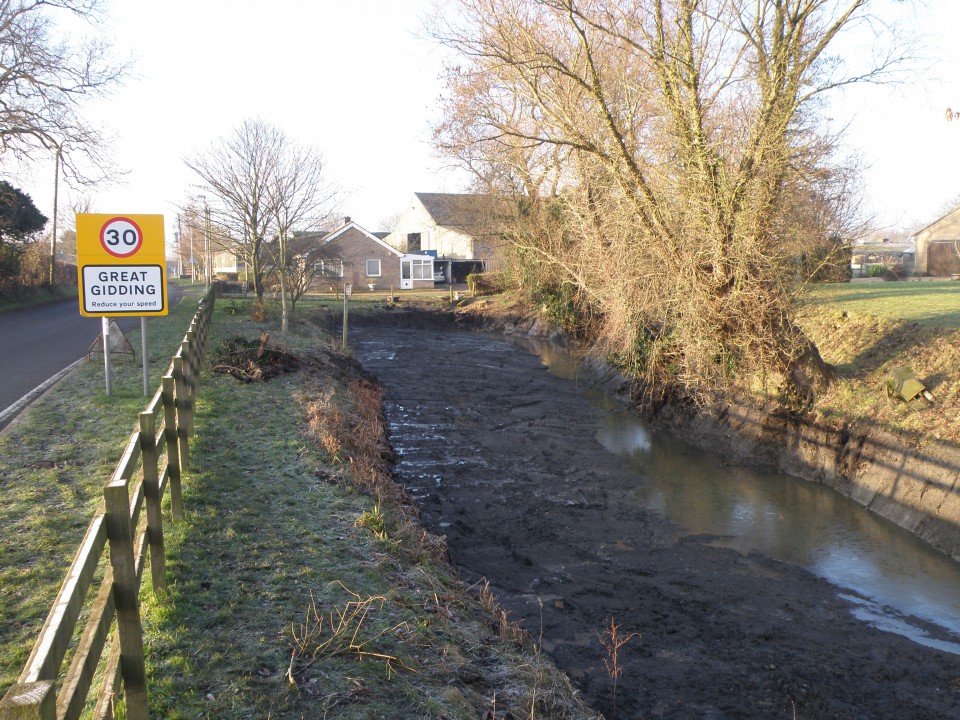
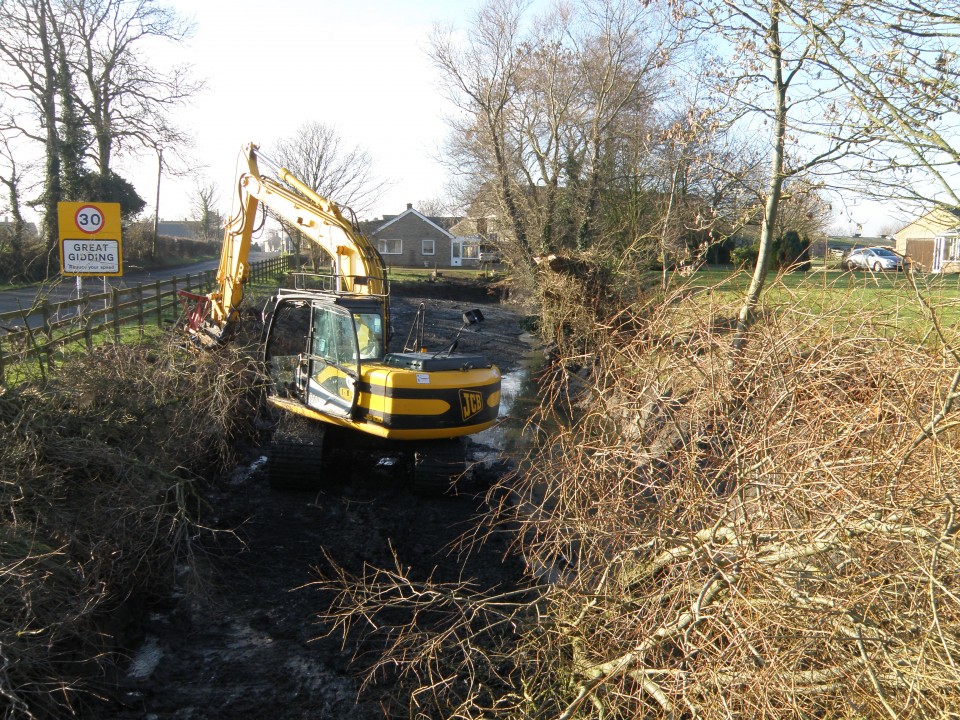
The big clean out

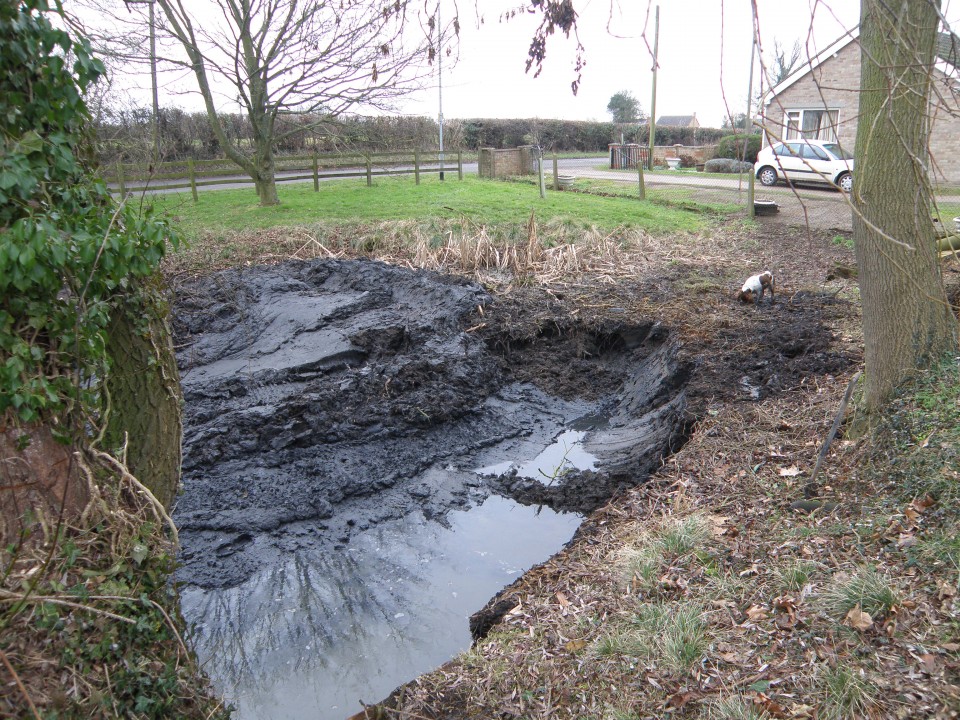
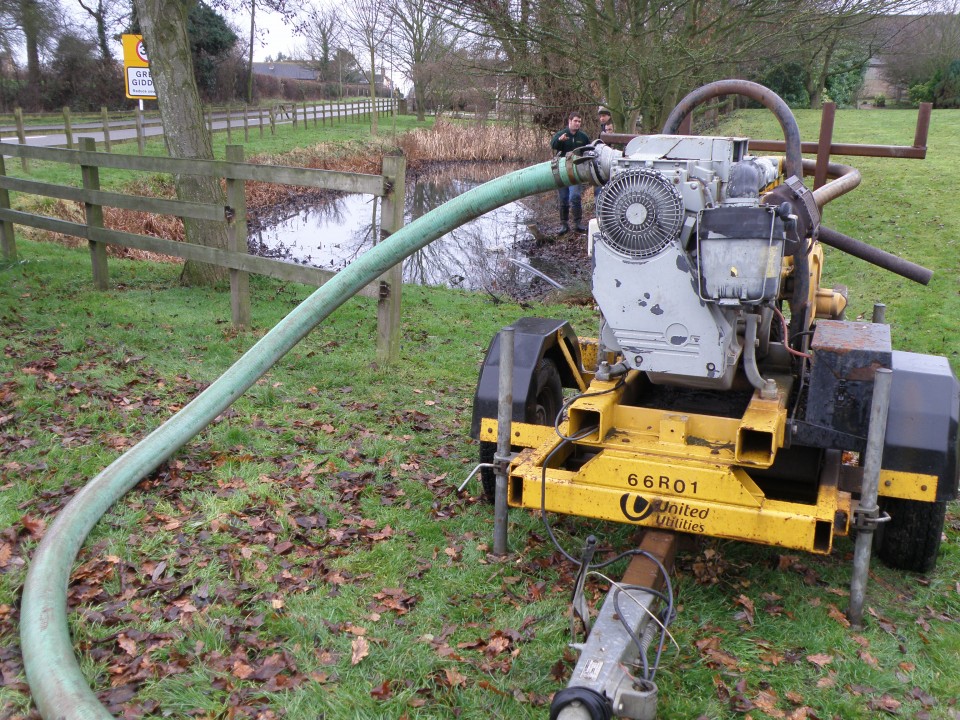
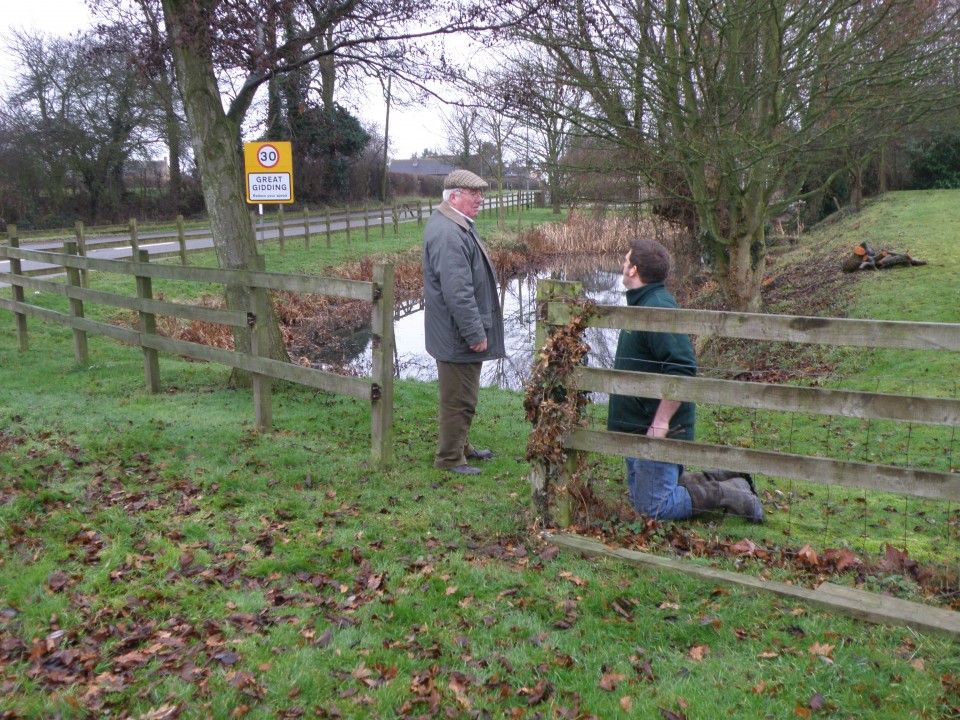
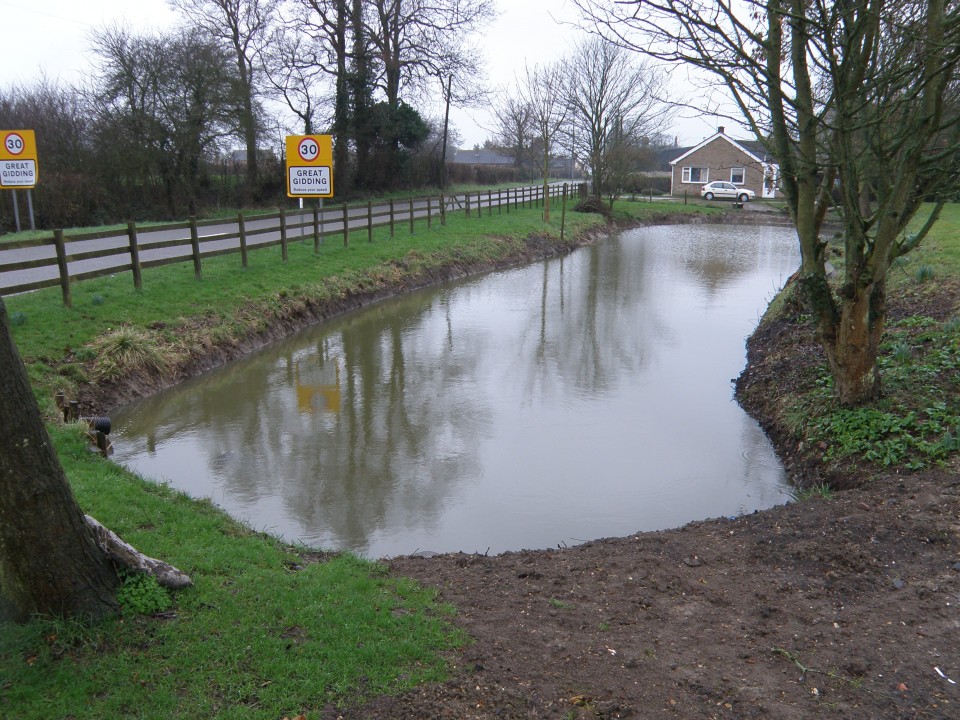
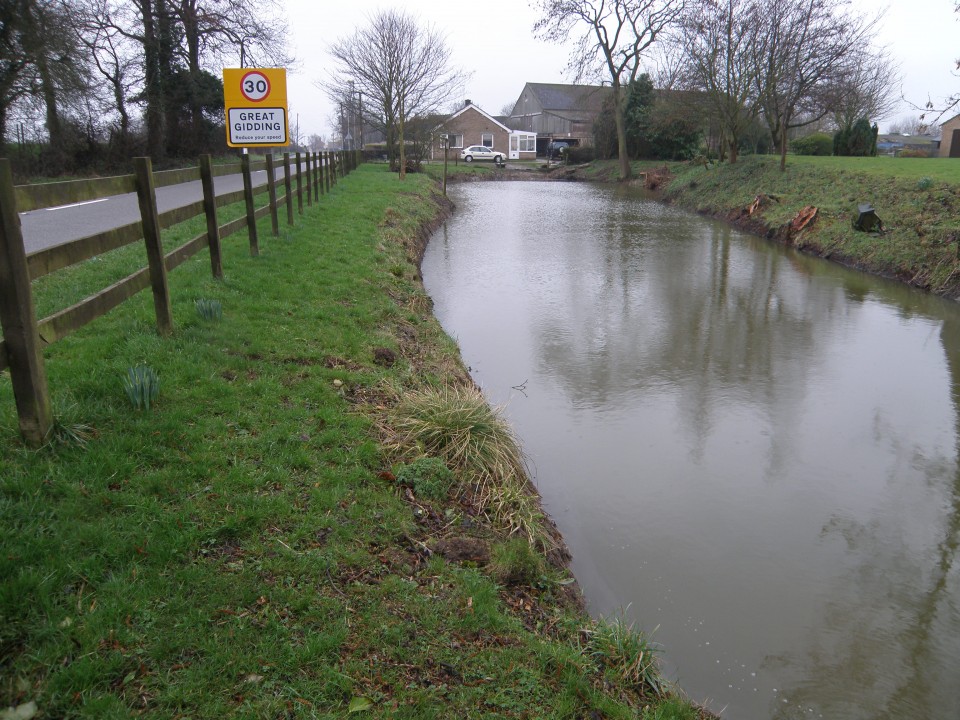
Townsend Pond or the Horse Pond as it is known in the village had reached crisis point. Almost completely silted up and giving off a foul smell when the water was low, it was becoming a bit of an environmental hazard. Long gone are the days when you could just get a gang organised and clear it out. Forms have to be filled in,notifications given and other ponderous red tape hurdles jumped.

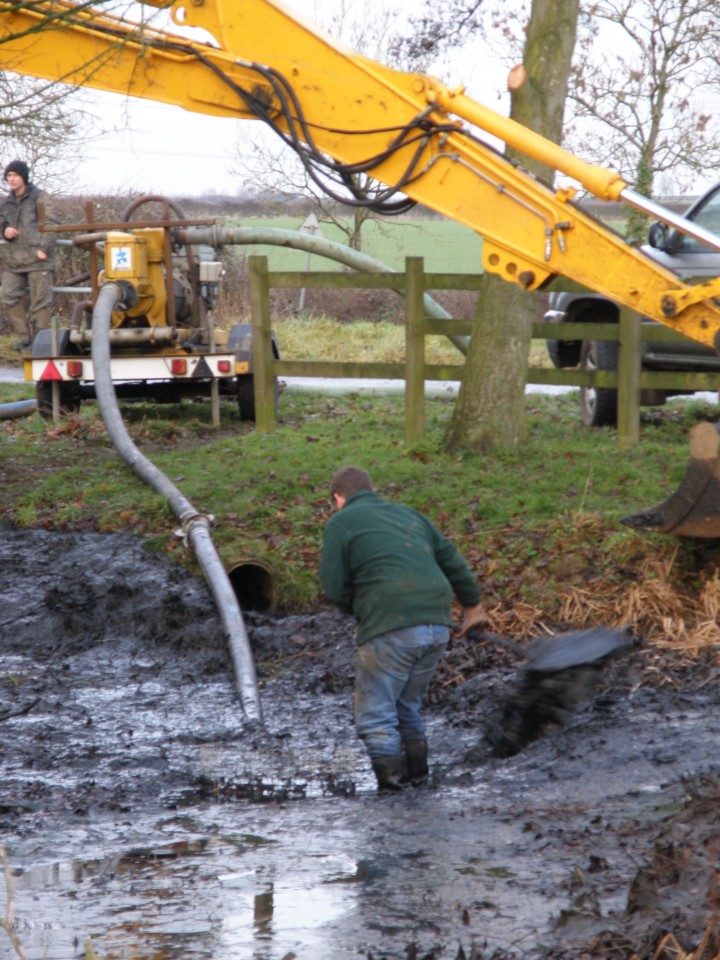
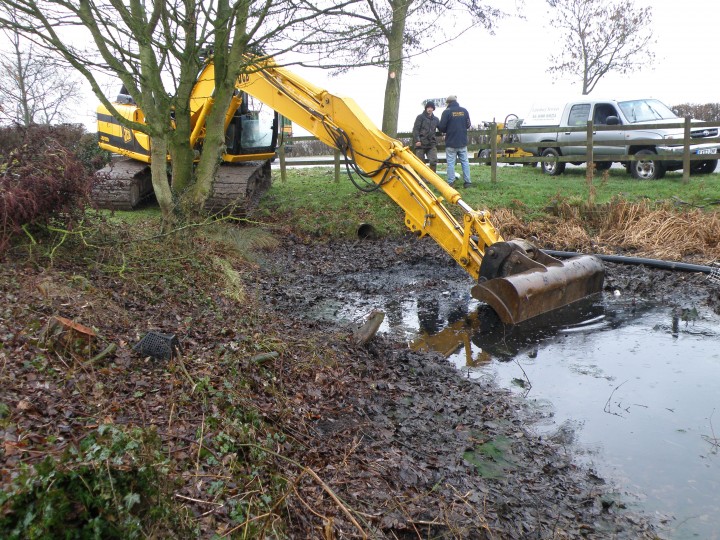
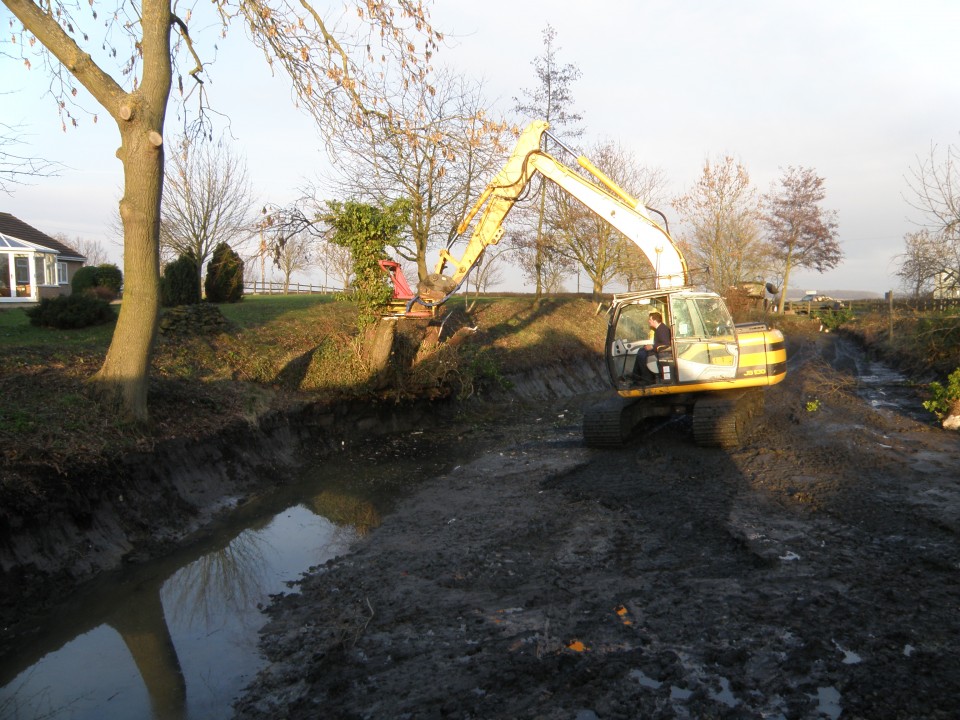
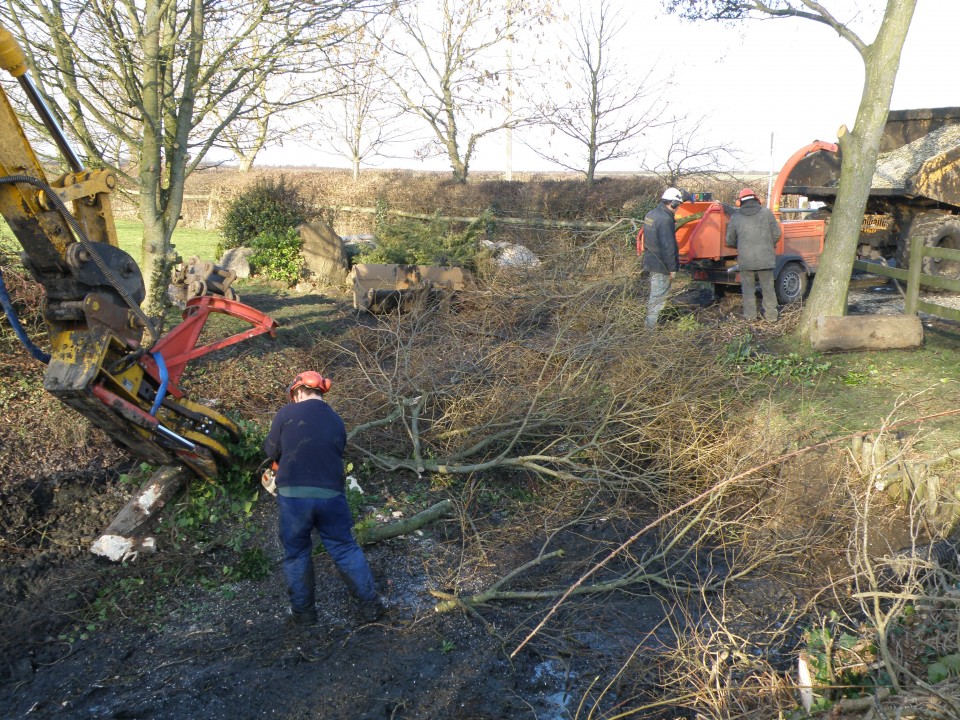
Pond cleaning comes way down the list on priorities for any level of local government or agency so step in the Bedfordshire , Cambridgeshire, Northamptonshire  Wild life Trust along with some determined  Parish councillor activity and you get a result courtesy of a Lottery Environmental Grant for £10,000.  Certain criteria had to be met and managed but the result is a clean deep pond with a vibrant wildlife habitat and a viewing platform for serious pond dippers.

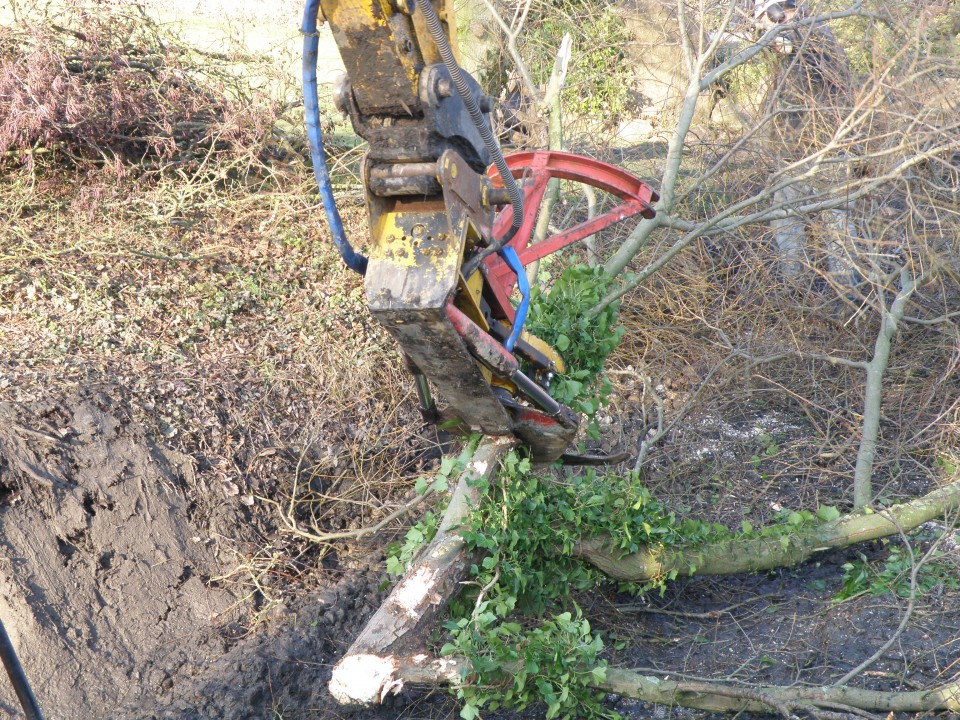
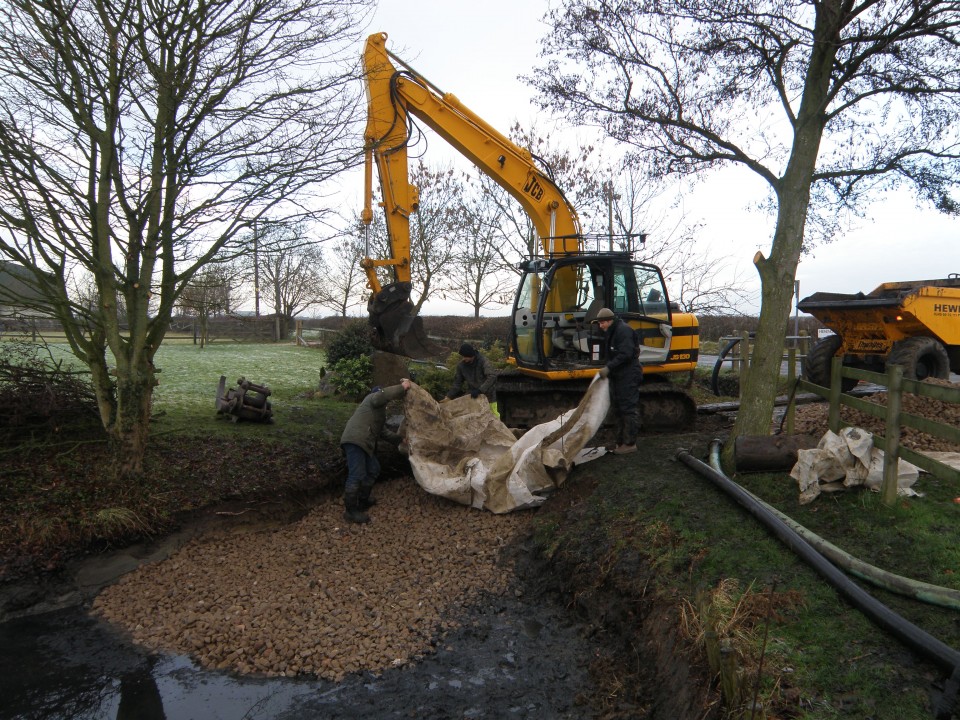
The work was carried out by Lattenbury Services who did a first class job.


A couple of thing of particular note were the benign weather conditions in January 2011 when the project started. No rain, the pond already low because of previous dry weather and the sunny days whilst the work was undertaken.

The second point was the remarkable cobble base that had been laid in previous times. When it was done, nobody’s quite sure but it was a sturdy piece of work and the lads carrying out the work this time were careful not to break this surface.

Another fact about Townsend Pond is that it used to stretch right to the road edge with a modest single rail wooden fence as the barrier. The pond was partially filled by using excavated soil when Great Gidding was put on to Mains Sewage in the late 1960’s.